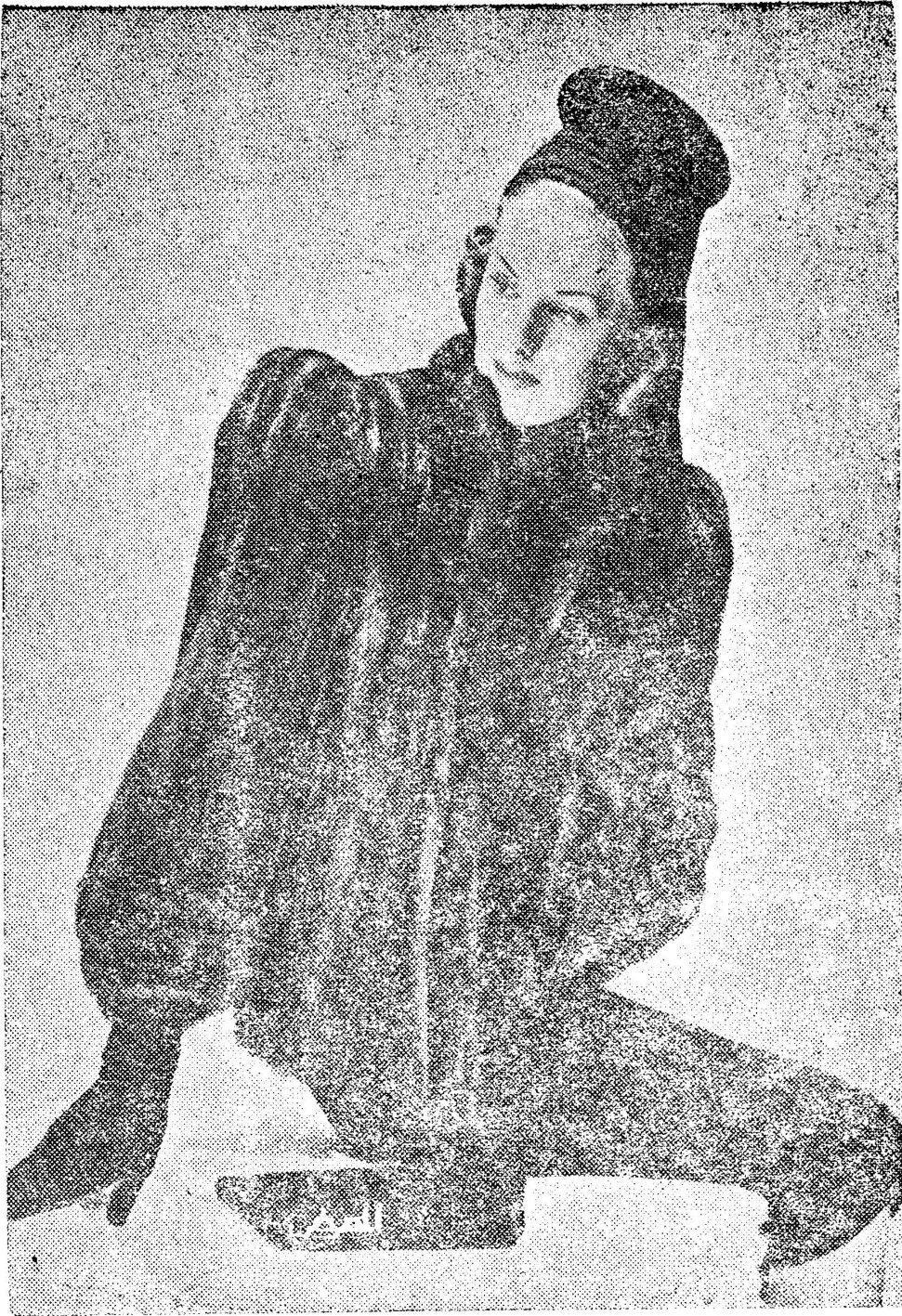
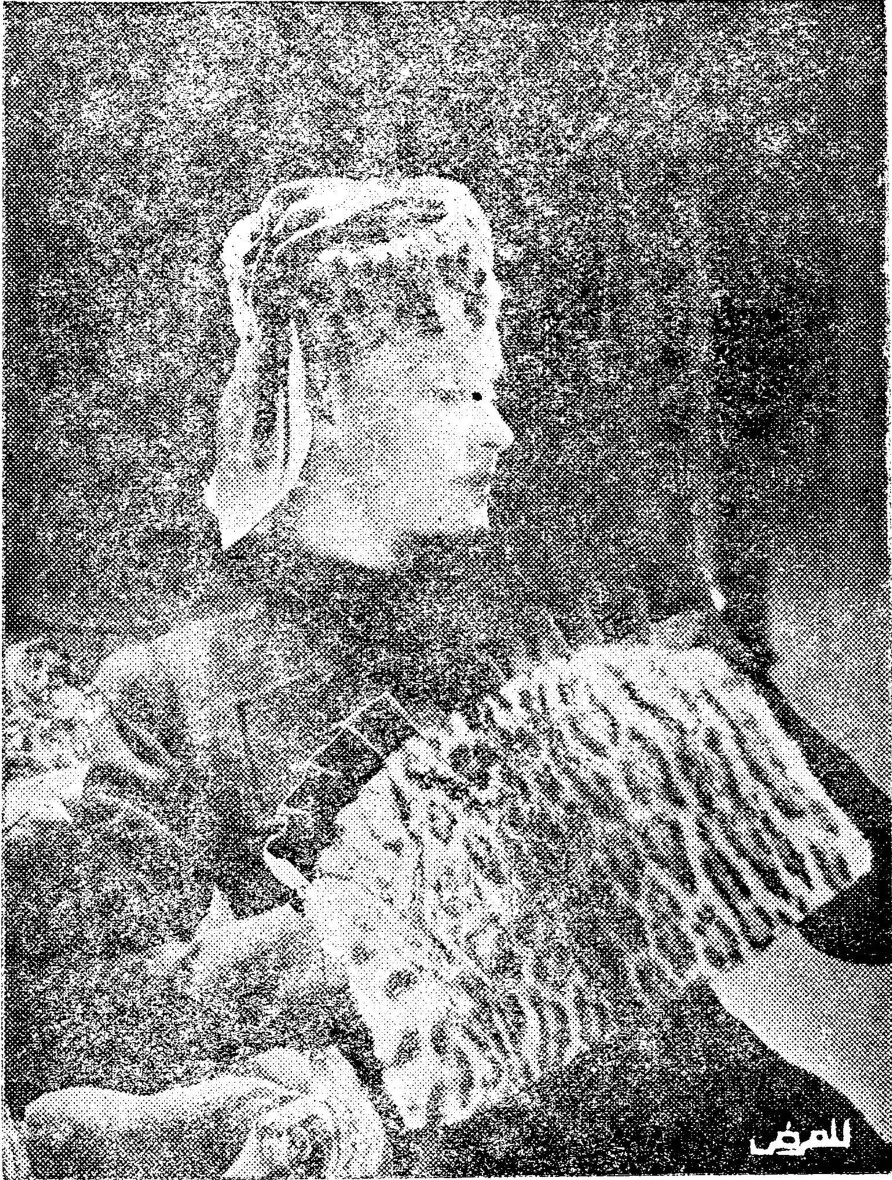
Among the great exhibitions with which London is filled this season is the wool exhibition organized by the Wool Industry Bureau in Britain; it is closely bound to Australia, because the raw materials it produces are similar to the materials produced by Scotland.
The success of the wool industry in Britain goes back to the fact that the climate of the British Isles suits the production of wool and its manufacture. Beyond that, this industry is distinguished by a high degree of specialization, and the reason for that goes back to the time when small wool mills spread throughout all parts of Scotland, where water power is plentiful for generating electricity to meet local needs. This industry is still widespread there at the present time, except that the mills are not in contact with one another, and that has been the reason production has remained individual.
On the whole, the reason Scotland has kept its financial standing in the world markets goes back to this specialization in the wool industry, and to the fact that those engaged in this industry work to produce new, finely made wools more than they work for mere profit.
Among the models on display is a fabric known as Harris tweed, which is spun by hand and colored, and made of cotton and wool, as well as some hand-spun wools. Natural colors were used in dyeing the first kind. As for the other wools, they were made by the women of the Shetland Islands, and they are made of black sheep's wool; these women are specialists in this craft, which daughters have inherited from mothers for hundreds of years.
This industry, which was influenced to a great extent by Scottish social life, has had a great influence on the wool industry in all parts of the world.
For example, the woolen cloths are woven in the form of squares of different colors, and every clan has its own color. Among the exhibits are the hunting clothes worn by the Stewart clan, which are of blue, red, green, and yellow, and the Stewart clothes with squares colored white, black, red, and yellow.
These squares began to spread abroad around the middle of the nineteenth century, and the fashion houses took to using them in women's fashions.
On display
On display