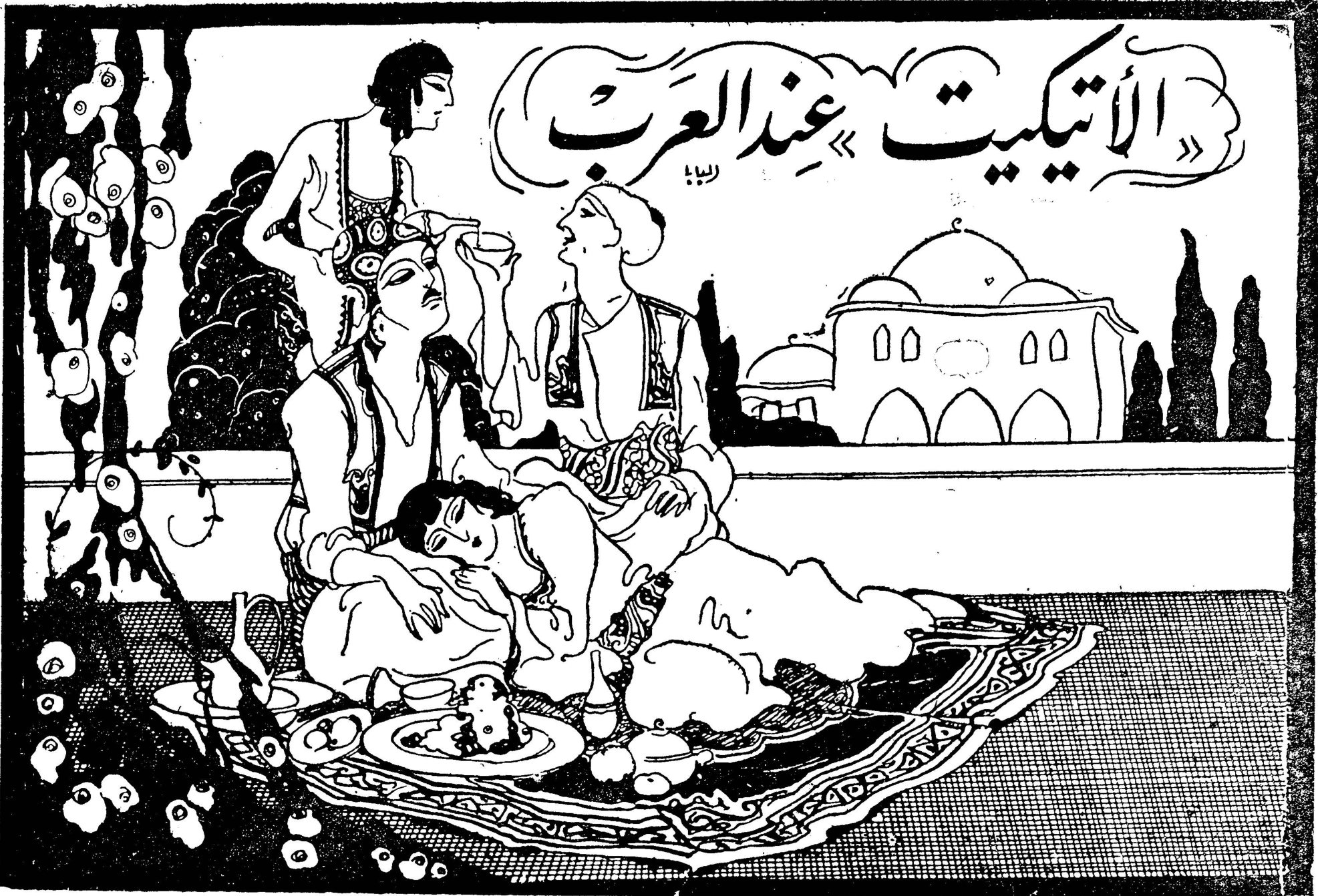
Whoever looks into the history of the Arabs cannot help asking about the social life of the individual, which formed the life of the Arab nation and strung upon its thread the customs and traditions of the Arabs. For the individual, in whatever society, has his part in generating the driving force, both material and moral.
I broach this subject feeling pain and jealous concern at the ignorance we have come to — an ignorance that has run rampant and blinded us to the principles of our Arab manners, so that we have drifted into imitation, as though we had set out to sever ourselves from the past altogether. Were we to compare the standards of propriety and courtesy among our forebears with what we call "etiquette" today, we would find many points of resemblance, and perhaps a door of comparison would open before us — one that brightens the face of the past.
The land's region and its climate, the resources connected with it, and the needs that arise from it, have an effective part in directing
conduct and fixing the customs of any people whatsoever.
In the Jahiliyya, tribal solidarity, truthfulness, gallantry, courage, endurance, and hospitality took root and ran in the veins of the Arabs; they were practiced in them until they became their general distinguishing traits. Yet they singled out the man of noble spirit — the "Gentleman" — with special accomplishments, which I sum up under three heads: writing, swimming, and archery. Whoever mastered them rose in station as a man of letters and a knight among his peers.
When Islam came, it reconciled religion with worldly life: it enjoined cleanliness, prescribed fasting, forbade intoxicants, and instituted the system of marriage in consideration of public health. The revealed verses urged adornment with good morals, making almsgiving obligatory, together with dutifulness toward parents and kin. Thus Islam laid the cornerstone of the individual's life, drawing him near to his Lord and defining his conduct toward himself and toward those around him.
The age of the Rightly-Guided
Caliphs teemed with campaigns to spread the call and consolidate the pillars of the faith; strenuous struggle prevailed until rough living became a familiar sight. Those in authority found no leisure to refine social customs and the modes of living and conduct, which remained confined within the bounds of piety and austerity — until the Umayyads came, widened the horizons of conquest, and mingled with the conquered nations. They grew used to a life of luxury, became fastidious in their dress, and softened their customs, joining qualities they had inherited to manners they devised for themselves, so that they became the aspiration of the well-bred of both sexes.
When the Abbasid age dawned, social life took on a settled form, for the Arabs had finished with their conquests and the skies had cleared for them. So they gave themselves over to pleasures, heedless
of the great responsibilities. Corruption crept in, and their state lay open to foreign interference, which led to