Masters of Song Among the Arabs
In Rayy I abide — through the villages of Rayy I roam; I do not see myself, to the end of time, departing the villages of Rayy.
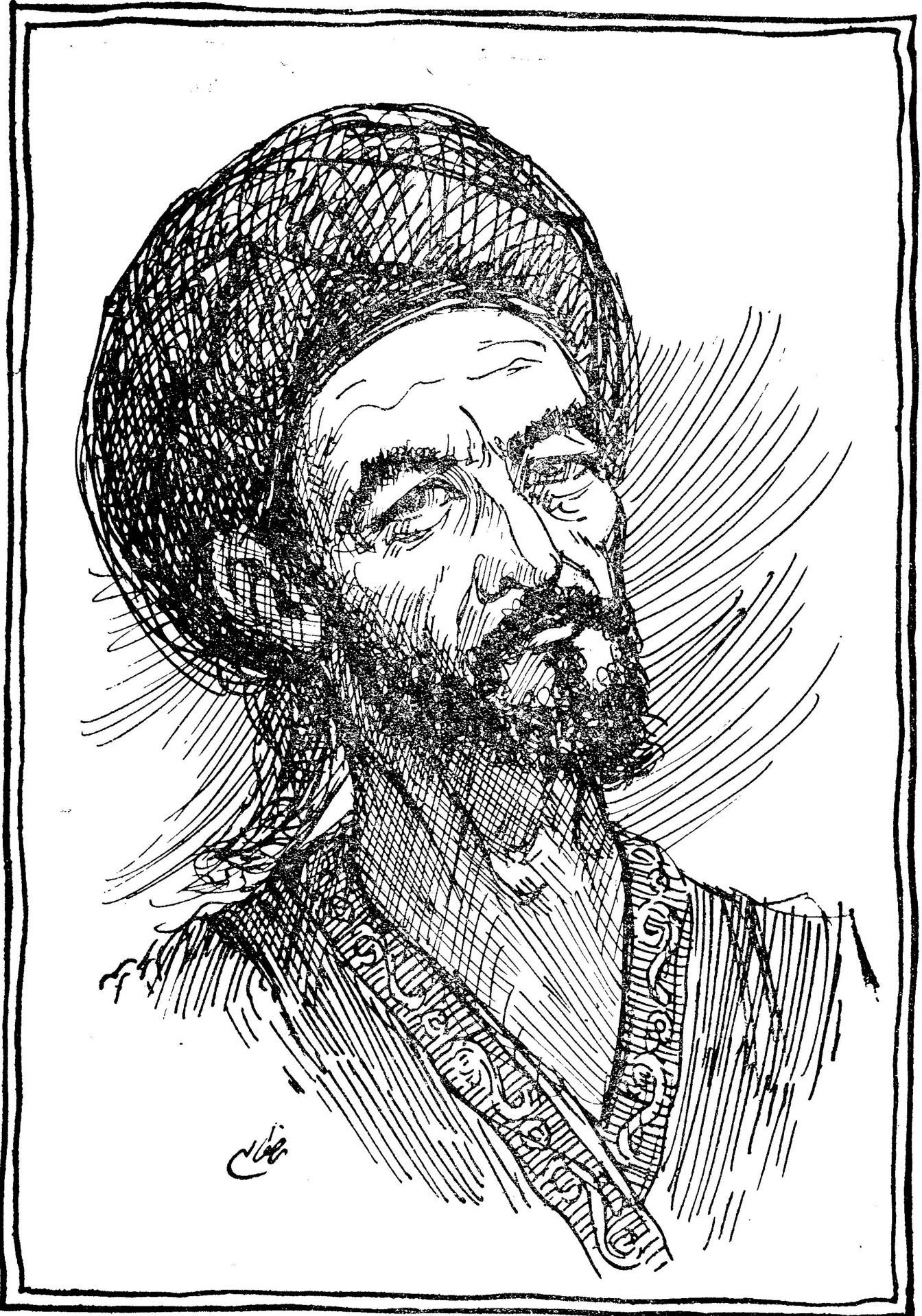
It matters to the man of letters to read such verse and to know that it is of Ibrahim al-Mawsili's composing and his singing, before he knows who this Ibrahim was — that his family name was Maymun and became al-Mawsili; and that this Mawsili was not from Mosul at all, but journeyed there and fell in with bands of vagabonds who waylaid the highway, he waylaying it with them; they would gather in their takings, and then drink, and carouse, and sing — and so he came to be named after that town.
It matters to the man of letters to know that there was no one like him in his time in singing and in the invention of melodies, and that when he sang, with Mansur — the one known as Zalzal — playing for him, the whole gathering would quake.
It matters to us to know this before we know that he was, say, of Persian origin, born at Kufa in the year 125 A.H., and that he died in Baghdad in the year 188 A.H. And perhaps this Ibrahim grows in worth in our eyes once we know that al-Mahdi was the first caliph to hear him, and that he fell upon his heart with full force. Between Ibrahim and al-Mahdi there are stories upon stories. Al-Mahdi did not drink, and wanted our singer to abstain from drink; and Ibrahim, for all his Iraqi ways, embraced both schools at once, applying to himself the saying of Ibn Abd Rabbih in both its halves:
Our creed in music is a creed of Medina, and in our drinking of wine, Iraqi.
He told of himself, saying: "Al-Mahdi did not drink, and he wished me to keep to his company and give up wine, but I refused him. I would absent myself from him for days, and when I came to him I came to him tipsy. This enraged him against me, so he beat me and imprisoned me."
He used to visit Musa and
Harun, al-Mahdi's two sons, drinking with them until they were drunk; and whenever one of the informers — and they are many in every time and place — rose to carry word of them to al-Mahdi, he would order
Ibrahim given hundreds of lashes, while Ibrahim said to him: "My crime is not among the crimes that
How often the brethren roused me, night still upon them, and the night's