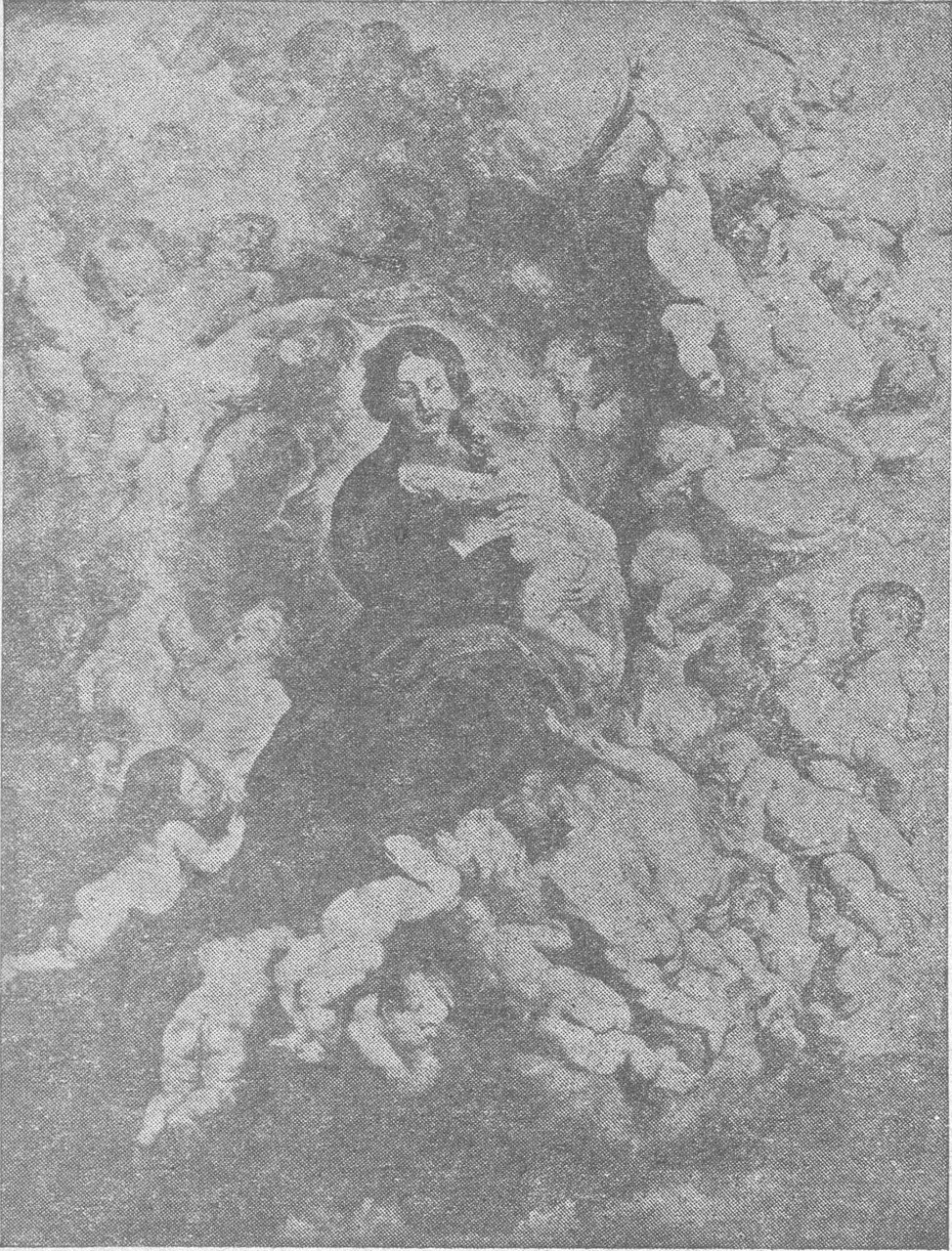
cathedral; or from Murillo a mother and her child hovering upon a cloud "suspended" between earth and heaven? What are these departures from the story of the Evangelists?
And had we wished to search out the facts apart from the essence of the message, we would have found contradictions in the story itself; we would have asked ourselves whether Jesus was truly born in the days of winter — the season of snows and storms — and, if so, did the shepherds sleep in the open with their flocks as the artists picture them? Did the Magi come from one direction, or from different directions, as the narrators relate, relying upon the kinds of gifts they presented? We would have asked ourselves a thousand questions about the mysteries of the Annunciation and the Birth, and strayed from the lofty purpose into a wilderness of doubt and interpretation.
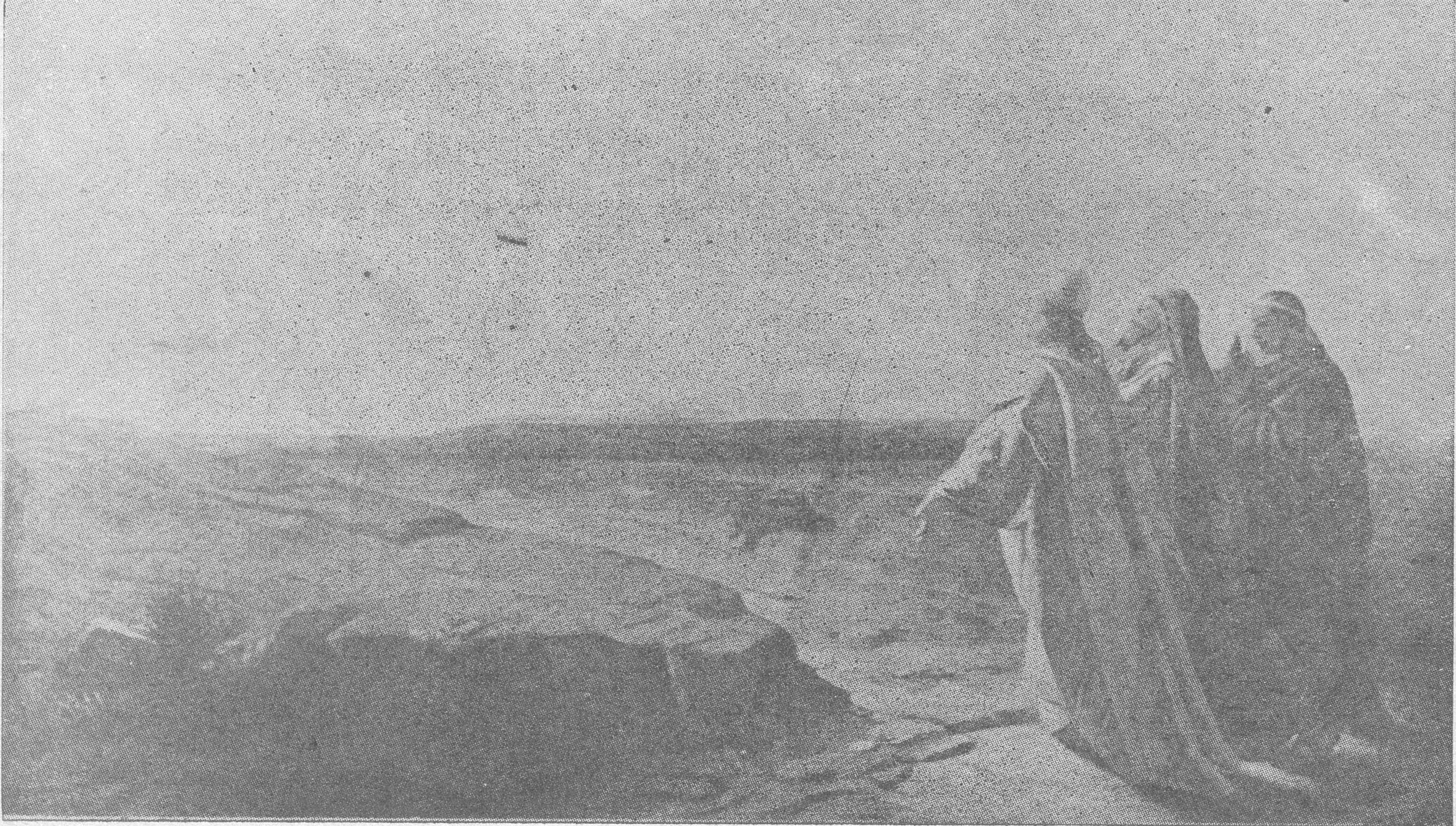
True, a number of modern artists, among those who knew the nature of the country and the surroundings in which Jesus was born, have depicted the Birth in an atmosphere nearer to temporal truth: here is Portaels representing the Magi in a wilderness much like the land of Palestine; here is Eugène Girardet representing Joseph and Mary and her child fleeing to Egypt in circumstances and conditions hardly different from what they are today; and many others besides. But have these, one wonders, added anything to the essential element of the story, so as to bring it nearer to men's hearts and easier for their minds to grasp?
And perhaps the masters of the modern school of art — abstract without being extreme — such as Epstein and Moore and others have hit the mark in their representations of the holy Birth, whether in carved stone or in oil paintings, distorted in appearance, as though they cared nothing for outward accidents but wished to bring out the supreme truth with which the ages travailed and
which they brought forth as a new era and a promise fulfilled — and still being fulfilled, after two thousand years — of the greatest force in the life of Christian society.