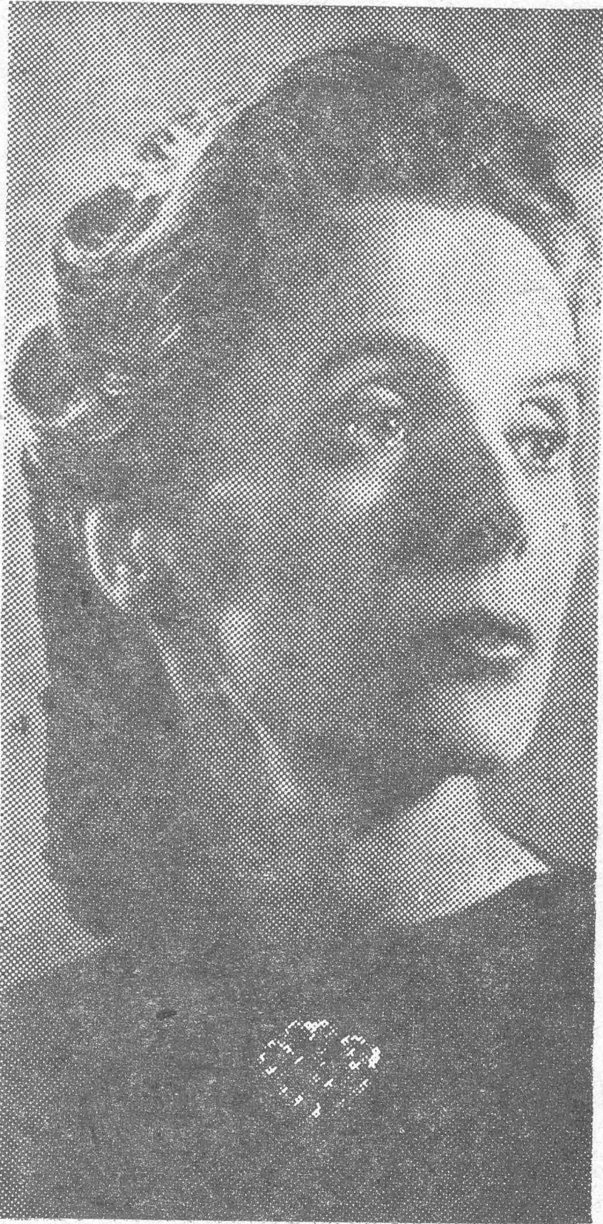
When the history of the theatrical dance comes to be written, its most glorious page will belong to the great artist Ninette de Valois — this woman, brilliant in person and in character, creative in taste and in art, who stands at the head of the theatrical renaissance, her personality radiating charm and glory.
Ninette de Valois is the stage name of Miss Edris Stannus, an Irishwoman born in Dublin, who was passionately fond of the dance from her tenderest years. And as though some special voice had called her, she left her father's house while still young, and appeared for the first time on the stage in 1924 under the direction of the artist Diaghilev, who drew the highest classes to his performances. She danced with an excellence that showed the abundance of her intelligence and the greatness of her aptitude, and she excelled in answering the most intricate artistic turns of the dance.
Her master wished her to remain with him and showered promises upon her, but she left him, not agreeing with his artistic policy. She began producing for two famous theaters, and gained abundant profit in the field of management and dealing with people. Her whole concern was
bent on founding an academy for teaching the art of the operatic dance. A band of young dancers gathered around her, and she set
about their training without tiring. Diaghilev died in 1929 and his troupe scattered to the four winds, but she turned some of its members to account for the academy. In 1930 she took part in the performances of the Camargo Society for the revival of the art, under the patronage of Keynes and the musical direction of Williams. Her fame spread between one night and its morning. Theater managements raced to court her favor, and so she founded Britain's national ballet.
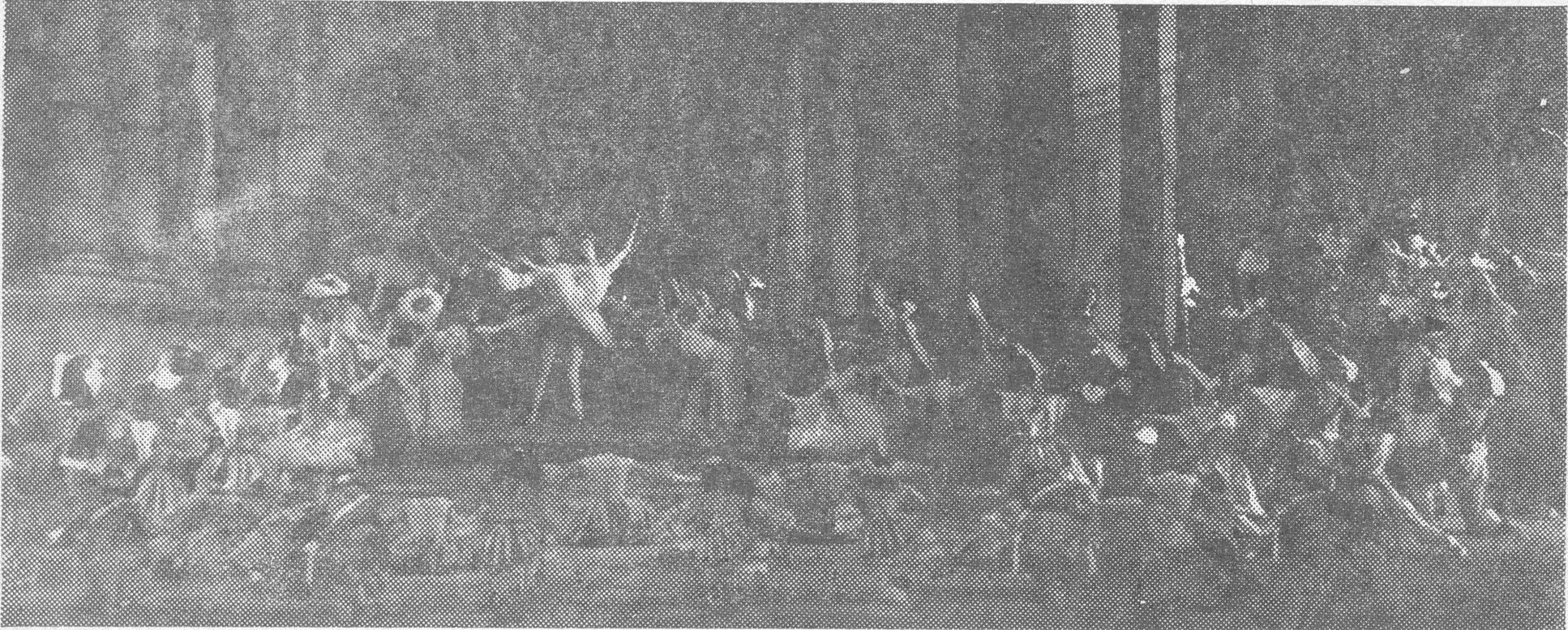
The greatest factor in her success is that she paid no heed to success and kept looking ahead. The academy began to graduate outstanding dancers. In 1939 the President of the French Republic, Albert Lebrun, paid a visit to England, and the King gave a ballet performance in his honor, presented by Ninette de Valois, which astonished the French President. It is told of this genius of the stage that she is the ablest of teachers in creating stage characters for the danced drama.
And the academy developed until it became an educational school admitting pupils from the age of ten. Beside the dance there are lessons in the arts and the sciences — the thing that prepared for Ninette de Valois her place as leader of the modern renaissance in the theatrical arts.