
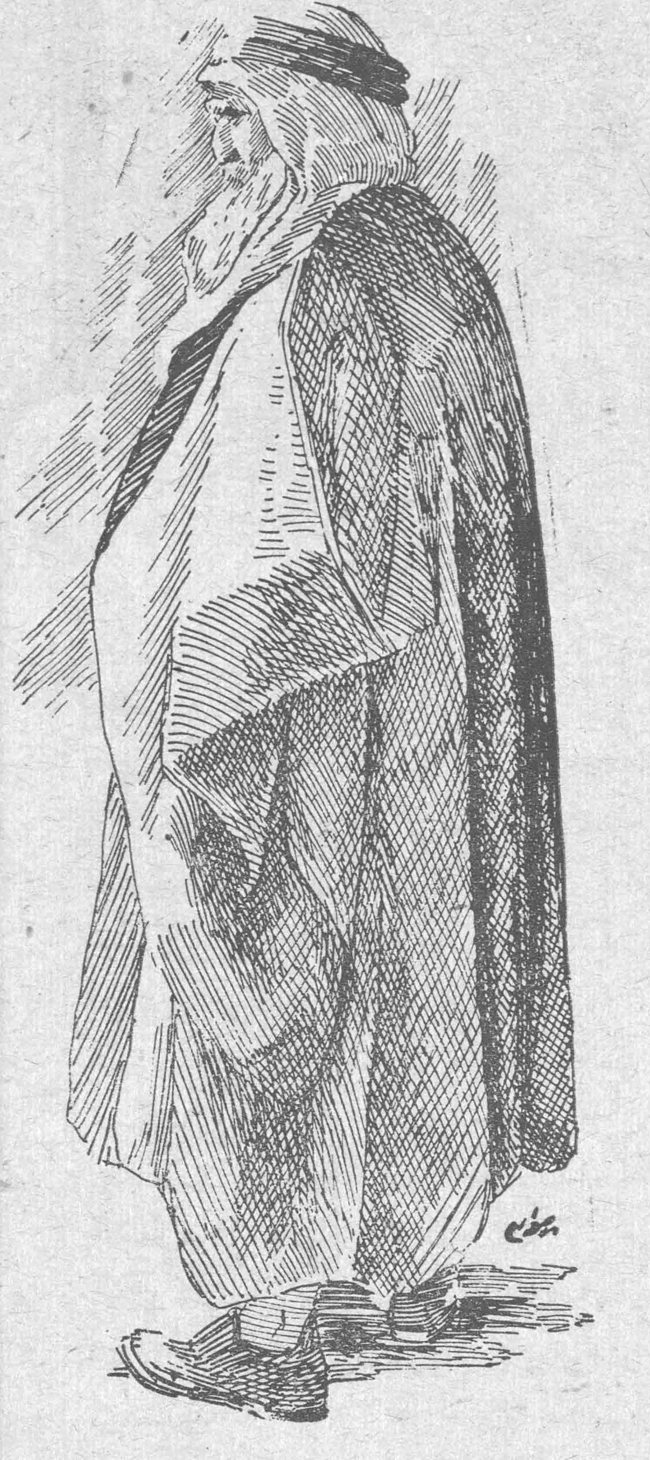
The people of Mecca passed their days joyful and exultant, filled with pride and flushed with victory, telling the tale of the Elephant when morning came and recalling the rout of the Abyssinians when evening fell, until it all but distracted them from their trade and drew them away from their affairs. The Arabs heard tell of this great sign by which God had made manifest the honor of this House and raised the standing of those of Quraysh who dwelt about it; and the Arabs grew in love and reverence for Quraysh, and the position of the people of Mecca grew ever more assured over those near to them and those far from them in Tihama and Najd and the Hijaz. But there was one old man of Quraysh whom no pride could occupy and no victory elate, whom the talk of the people around him could not draw away from the unbroken converse of his own soul and its abiding sorrow — and that was Abd al-Muttalib ibn Hashim.
And there was one woman of Quraysh whom no wonder seized and no vanity possessed, who took no part with the women of Quraysh in the adornments they put on and the pleasures of life to which they gave themselves. She preferred seclusion, and desired to be alone with her own soul, speaking to it and listening to it, finding in that converse no open sorrow and no
open joy, but something in between: in it was rest from the sting of despair, and in it a turning away from the intoxication of hope — and that was Amina bint Wahb.
The old man would remember his son, and a gnawing, deep sorrow would draw him away from the gladness and delight, the rejoicing and jubilation, in which Quraysh were living. The old man would ponder the story of the Elephant and the raiders' turning back from Mecca, and then see the boasting of Quraysh, their self-praise and their loftiness over the Arabs, and he would smile within himself, mocking them yet tender toward them. For Quraysh had done nothing but take refuge in the mountain peaks, flee to where the wild beasts roamed, and leave the way clear between the tyrant of Abyssinia and the House. It was not they, then, who turned him back, but God who turned him back; it was not they who crushed him, but God who crushed him. Yet for all that they boast and vaunt themselves; for all that they wax proud and haughty. And so is man: vanity beguiles him about himself, and he ascribes to himself what he did not do, and credits himself with what he never brought about.
The old man mocked Quraysh in his heart and pitied Quraysh in his heart, seeking excuses for them in
that weakness which befalls men and deceives them about themselves, magnifies them in their own eyes, and makes them fancy they are something — when they are nothing before that overwhelming Power which conquers and is not conquered, which subdues and is not subdued, which wills nothing but it attains what it wills. That Power which brought forth from the sea birds such as men had never seen before, and loosed them upon an army whose like men had never seen before; and they had hovered over it but an hour of a day when it was routed and shattered and became like straw eaten down, and the House was safe from the assault of the aggressor, and the House was secure from the tyranny of the tyrant. That Power from which he had thought he rescued his son and delivered him from death, securing for him a life
like the life of men: with all that the life of men holds of happiness and misery, of rest and toil, of striving and endeavor, of journeying to and fro between Yemen and Syria, and of settled dwelling in the outskirts