Christmas, the Mawlid, the Great Feast, and the Feast of Sacrifice!... Different names for one meaning, and that is "the feast." How delicious is the word "feast" on a child's tongue; how sweet its fall upon his ears! To him it is "the most delightful of melodies
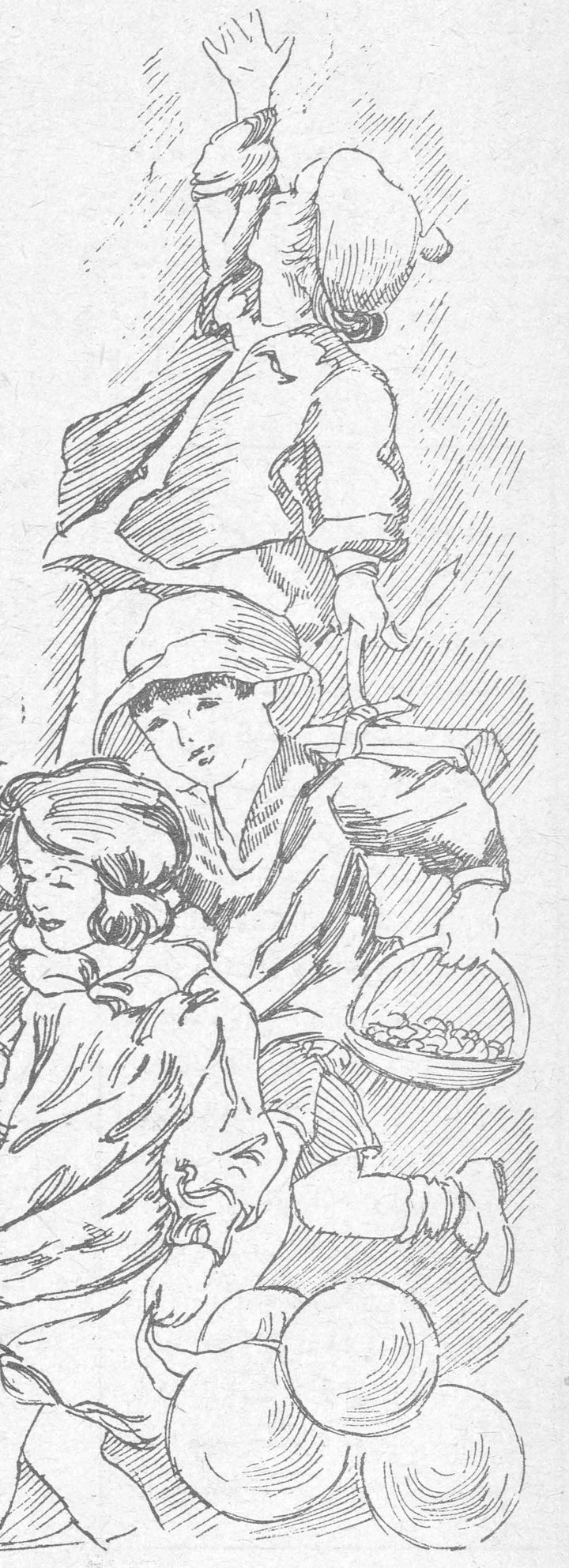
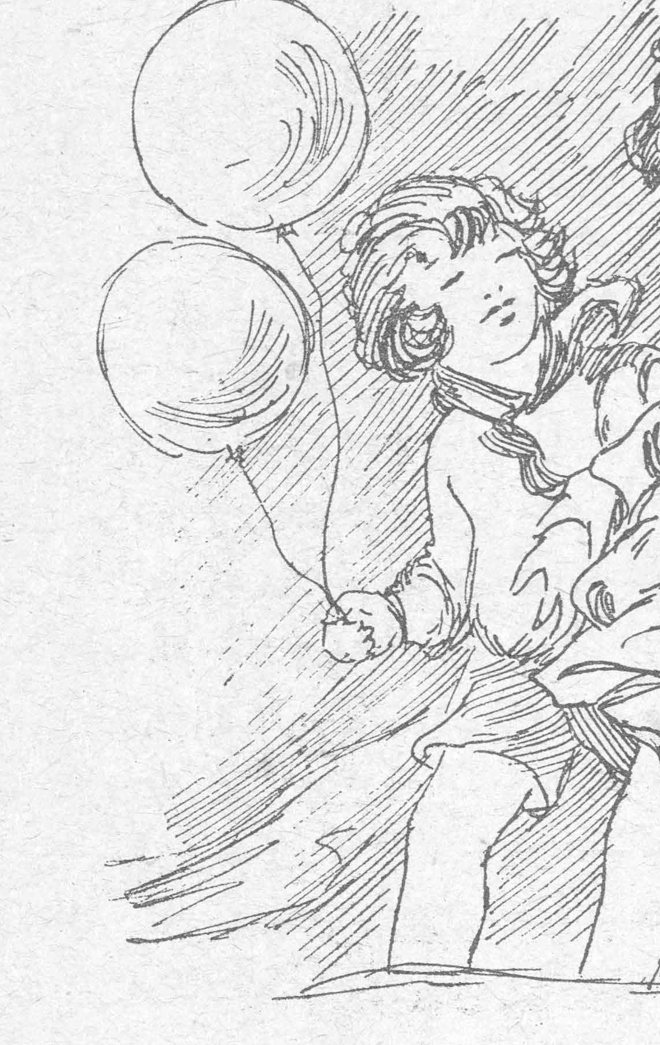
and the sweetest of sounds." The feast he dreams of through the long nights; by day he talks to his companions of the splendors of the feast, and the sweets of the feast, and the surprises of the feast, and the games of the feast, and the new clothes at the feast, and the visits to grandfather and grandmother and the uncles on both sides, in his parents' company, dressed in his feast clothes, telling them of his release from school and its exercises, from work and duties. The feast is a great day in the life of grown-up and small alike, a day of joy and rest for all, a day when the child sees the members of one family, the signs of gladness and good cheer upon their faces, gathered about a table from which rise the smells of savory dishes and delicious sweets, while he hugs his presents and his toys under his arm. Will he ever forget such a day, and can the days and the years wipe this memory from his soul? Is he to be blamed if he dreams of it by night, and talks of it by day, and stays away from school to buy the feast's provisions, and neglects his lessons for the multitude of things that fill his mind, draw off his thoughts, and delight his feelings? It is a great event in his life.
How shall we give the feast a spiritual effect upon the child's soul?... Teachers and educators observe in the child the love of self: he asks
first for what is his own. How should he not, when from the day he opens his eyes upon existence he sees himself the center of all gazes and the axis upon which the movement of the house turns?
It is the duty of school and home to direct the child rightly, that he may grow into a useful, patriotic man — and that by turning his gaze from himself toward others, and by training him to give and to sacrifice without return, above all in the days of the feasts, when the child is at the very height of his joy and gladness. So let the child be told of the master of the feast: of his childhood and his youth, of his strength of will and his heroism, of his victory over his passions and his own private desires. And let the story be cast in an imaginative, feeling mold — let us not forget that the power of imagination in the child is then at its strongest — so the story must be adorned with the beautiful colors of love, of lofty sacrifice, and of noble character, of truthfulness and sincerity: those things which made their possessor the highest example and made his name immortal for the generations to come. Thus there is stamped upon the child's soul all that we desire of the meanings of love, of elevation of soul, and of tenderness toward the poor and the weak, even as the master of the feast himself used to do.
Accordingly, we must train our pupils in the schools to join together in gathering money, clothing, and food, to carry them to the homes of the children of such of their neighbors as fortune has bowed down; or they send their money to the children's camps which certain associations set up; or a single class works together to make an album of pictures or a collection of beautiful scenes to send to the children's hospitals; or they invite some of the blind to their school and set before them a feast-day meal... You would be astonished to see how the children's feeling awakes in such a case, in which the child forgets himself and grows tender toward others — and finds in this the greatest of pleasures. This is the chief method by which we should direct our children in the days of the feasts, and train them in giving and in feeling with others... the thing we stand so greatly in need of in our country.