
The masters of the two modern sciences of education and psychology hold, in the rearing of the young
— especially those under eight — certain principal principles. Among them: that the kindergarten must, in its atmosphere and its arrangement, resemble the home. It should be fitted with pretty little chairs or benches of suitable size; its floor should be spread with carpets; on its walls should hang pictures and drawings attractive in color and suitable in subject; and the corners of its rooms should be adorned with flowers — for all of this keeps the bond between home and school close, and guarantees the child the best and finest of atmospheres for his growth.
There is another principal principle which has wrought a revolution and an upheaval in the rearing of the young: that the child must be left free to occupy himself with the work toward which he inclines, and to pass from one occupation to another without hindrance. It thus becomes the duty of the kindergarten, and of the mistresses who work in it, to surround the child with opportunities and activities that stir his latent inclinations and powers,
and urge them on to work and to steady growth.
Among the first necessities is that the teacher be thoroughly acquainted with the traits and qualities that mark the child's growth in this grave first stage. One of the fathers of modern education said: If you wish to teach the child, watch him, and he will teach you how to teach him. This saying came as a new conquest in the world of education; it overturned the tables of the old teaching and drove the ignorant, dull-witted teachers out of the school building. That pioneering, matchless educator who discovered this immortal educational principle deserves to be set among the ranks of the discovering scholars and the inventors, for his discovery is no less important — in serving society and in determining man's destiny — than the miracles of medicine, chemistry, and physics: 'Watch the child, and he will teach you how to teach him.' Upon this principle modern education has been founded, and by it the foundation was laid for the greatest
and most important of factories: the factory for the making of men.
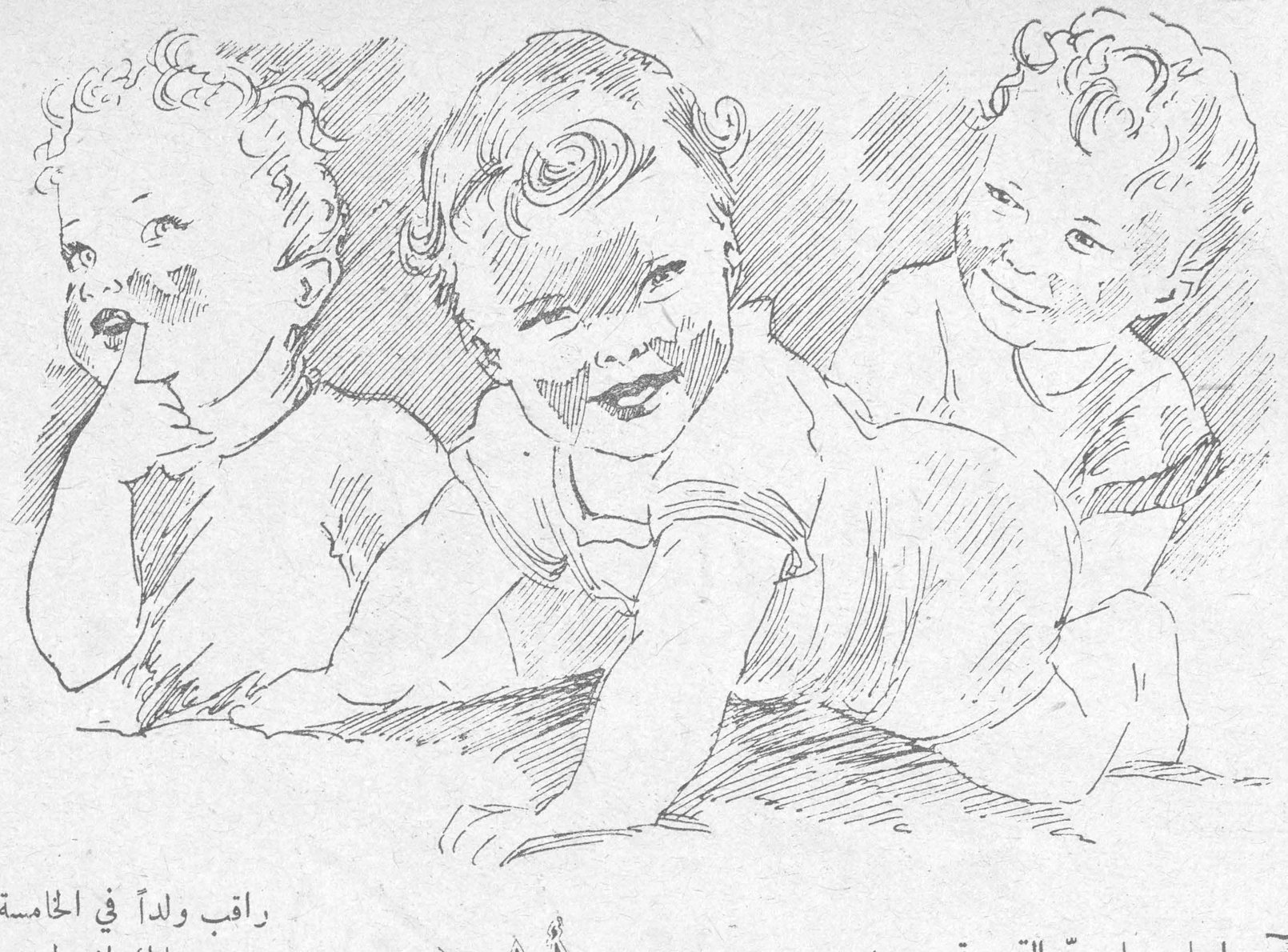
Watch a child of five or six, and he will teach you that it is natural for him to spend most of his time in movement and play — and not that alone, but that play and movement are the greater and inseparable part of his life at that important stage of his growth; indeed, they are an instinctive inclination which nature has cast into the soil of his soul, to be her right arm in the process of growth. What justification, then, can there be for the school that imprisons its children under a roof, between damp walls, at worn-out wooden benches, in a killing atmosphere of pressure, in the name of preserving quiet and order? Watch the child, and he will teach you that this is a crime, and a betrayal of the laws of life which God has set in his small, beating heart. Watch the child, and he will teach you that his program must consist, for the most part, of games and movement in the open air.
Watch the child with a practiced eye, and he will teach you another of the principles of education: that it is by working that the child learns to work. That is to say, the window through which knowledge descends into the heart of the small child is not his ears, nor his eyes, but his hands and his