Difficult and delicate is this transitional period through which our women are passing — this period that carries them from stagnation to movement, from conservatism to liberty, from artificial discipline to a counterfeit emancipation.
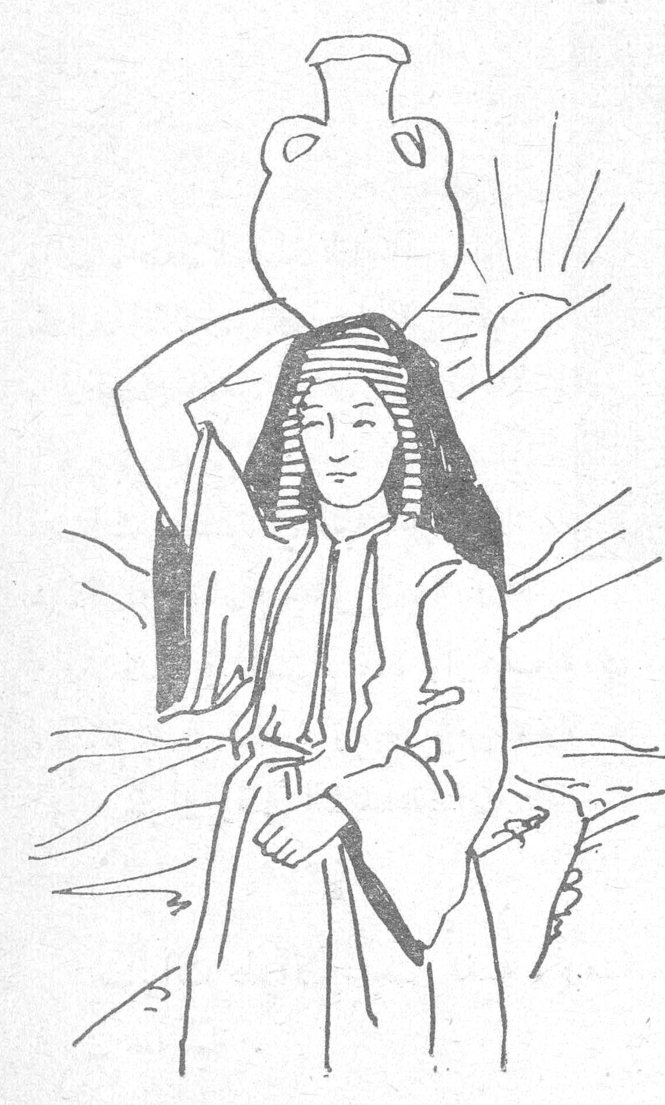
Truly painful is the condition of the village girl who has known nothing but her own house and a few houses of the village. She may possess some measure of the culture she received at the village school, but it is a frozen, narrow, antiquated culture with no connection to life, amounting to no more than a little reading and parrot-like memorization, and a great deal of scolding, restraint, and self-suppression, until the poor girl becomes a walking idol with no will and no thought of her own.
The city girl may be better off. She is quicker in her movements, more in step with fashion in her outward appearance, stronger in personality, and less dull and ignorant than the first. But the spirit of servility that marks the one appears in the other in a new form — with this difference, that the city girl gives freer rein to her emotions and keeps a looser check on her instincts.
The city girl, too, has her own particular problems. She feels them more keenly than the first, and therefore suffers more. Most often she must go out after her own living, because her standard of living is higher than the
other's, and because opportunities for work and earning are open to her that are not open to the other. So she works, and accepts work despite its constraints and troubles, in order to pay for her luxuries and dispense with her family's favors, or spare them the burden of supporting her. But — whereas the village girl has family and relatives who manage the matter of her marriage and find her a companion without difficulty — it remains for the city girl to go after a husband herself, because the city youth turns away from marriage, unlike the village youth, and because the opportunities of contact open to both sexes create among the girls that fierce, exhausting rivalry which makes their lives — divided between work, self-adornment, and pursuit — a struggle that drains their strength and may destroy them.
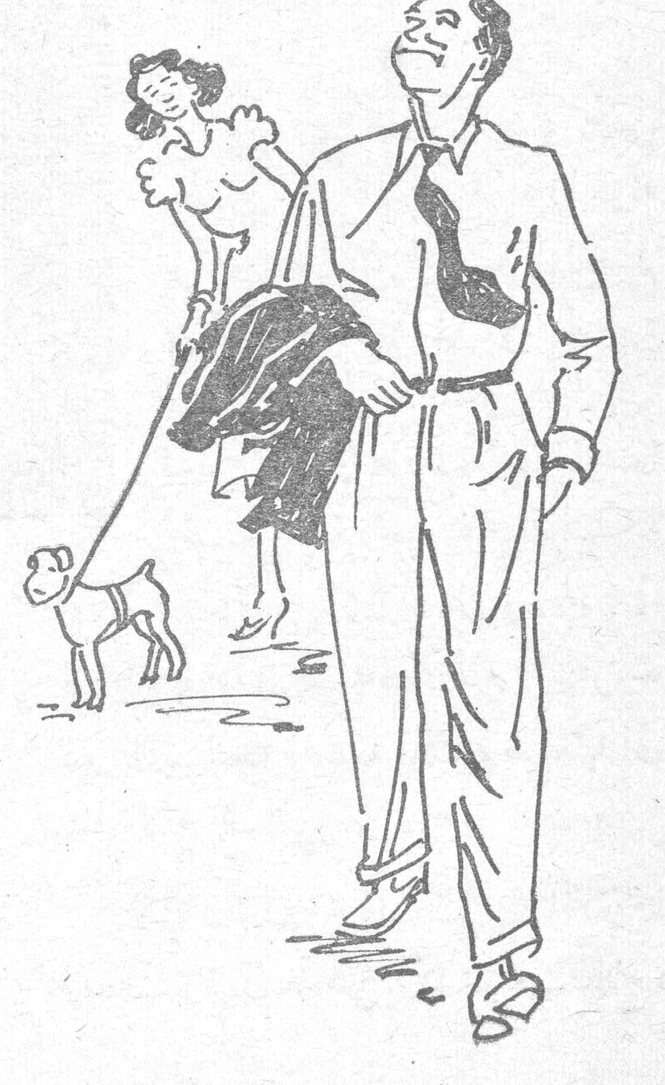
These thoughts passed through my mind when, on one of these cold mornings, I came upon three girls in the tram who had encircled a young man as the bracelet encircles the wrist, crowding around him like moths around a lamp. Their faces overflowed with broad red smiles; their mouths poured forth vague phrases tossed off now in French, now in English or in Arabic; their hands vied with one another in affected gestures — one patting his shoulder, another racing her two companions for the seat beside him, a third straining to catch his attention — while he sat among them like a bashful maiden and they hovered about him like beggars.
The sight set me thinking of two things. First, that our girl may nowadays receive a certain culture that prepares her for a portion of freedom; but it is a culture lacking taste on one side and practical application on the other. I have seen how the daughters of the Europeans conduct themselves in the presence of men, and I found their conduct ordinary and natural, without affectation, and their conversation free and frank, full of taste and tact. That is because they have grown used to mixing with men at all times and in every stage of their lives, so that they regard the company of young men
as a natural thing that stirs not the least agitation in them. Our girl, on the other hand, assumes an artificial pose in a man's presence, or sinks to a cheap and vulgar level, because she has never grown accustomed to his company nor practiced conversing with him. And this ignorance of the rules of social intercourse is not confined to the girl; it extends to the young man as well. Both stand in need of cultivation in this respect, and it is for educators to accustom the members of the two sexes to mingle with one another in a natural and gradual way before pushing them into gatherings of sociability and acquaintance.
Beyond this, we find that the girl's upbringing does not prepare her for good self-discipline or for governing her emotions and thoughts in unusual situations. She cannot keep herself from agitation and confusion in the presence of a man or in any similar situation, nor can she conceal that confusion; rather, it shows in her awkward gestures, in her torrents of chatter or laughter, and in her ridiculous, freakish behavior.
Learning is not an end in itself, nor is it a means of earning a living, as many suppose. It is, in the first degree, a means of cultivating the self, refining the taste, and tempering the passions; and if it misses this aim, it and ignorance become one and the same.