the first boat, so I drew it small; and the fish is near, so it came out big!" Can anyone doubt Sarmad's bent for drawing and his appreciation of proportions, even at this early age?
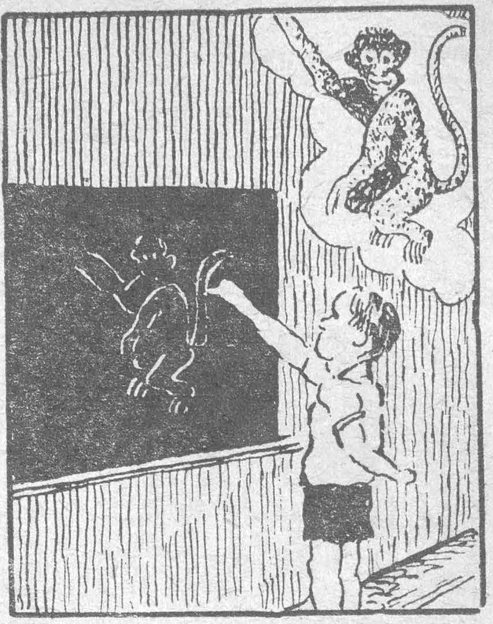
(4) One spring day a man passed by the kindergarten leading a monkey, making it dance and play, and we thought of bringing him into the kindergarten garden for the children to watch. The man began drumming for the monkey and prompting it with certain orders, and the monkey obeyed and danced — which delighted the children greatly. Two days later the children were given pieces of the colored clay called "plasticine" and were asked to make familiar models of the things their eyes fall upon. After a short while the teacher passed by the children's seats and was astonished at the sight of Irfan, who had made from his clay a monkey standing on its hind legs, its hands in the air, and beside it its
master, his hands on the drum hung from his neck! And all this with speed and skill. Irfan had not been among the outstanding children of his class before this gift was discovered in him — the gift of manual art, the fruit of the art of the eye — and so he rose in the eyes of his teachers, and came to be regarded with admiration
and with esteem for art.
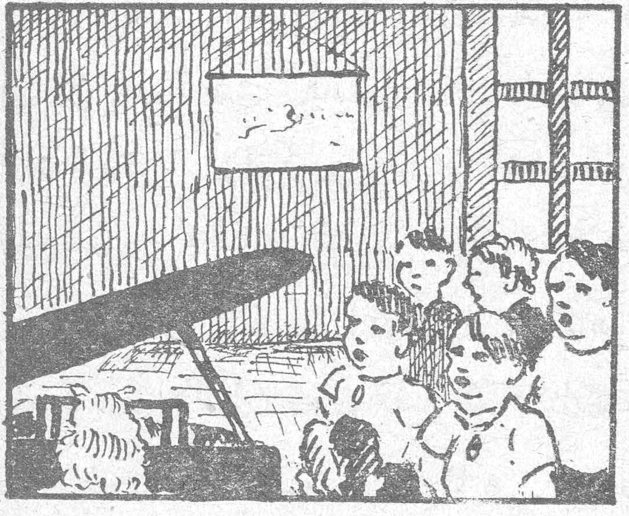
(5) In one kindergarten an experiment was carried out to discover the gift of music among fifty children. They were sitting talking when the teacher began to play the piano, and attentiveness appeared on most of them. Before long this group divided into two parts: some left their places and moved to another spot near the piano, and some resumed their talk. A number of them were observed tapping with foot or hand, keeping the time; and when the teacher changed the time, these children noticed it without any intention of doing so. A strange delight shone in their eyes at hearing these sweet strains. After this, the musical attention given to this group was doubled, and it bore its good fruit, and its result was astonishing. As
for the ungifted group, they were exposed a great deal to hearing music suited to them, and after a while a perceptible difference was noticed in their taste for music and their appreciation of it.
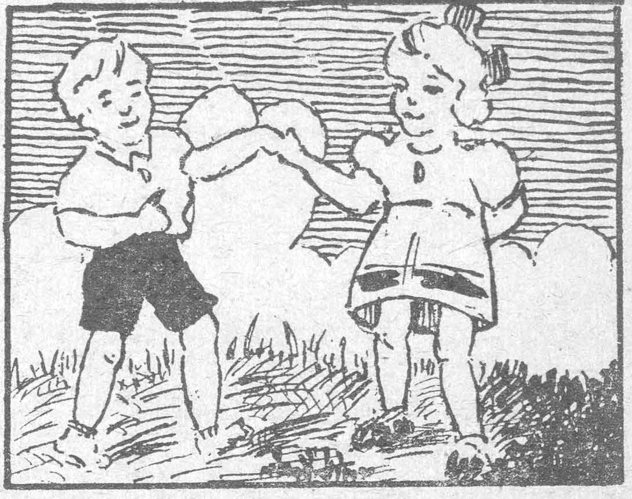
(6) Whoever watches the kindergarten children during the dancing will soon have his eye caught by Faten,
Greis, and Rayya; in their lightness, the nimble movement of their feet, and the motion of their bodies, it is as though they were created dancers, and they would gladly dance the whole day long without the least feeling of fatigue.
It would be only reasonable for Faten, Greis, and Rayya, for Irfan, Sarmad, and Usama, and for artistic children like them, to have something other than the weekly schedule of lessons prescribed for the other children.
And it is only just that these artists be given sufficient time to practice their art and to study under specialist masters of the arts, insofar as that can be made available to them. For it would be no surprise if from among
these children and their like there should emerge artists of world rank, who would preserve the character of Arab art and its beautiful coloring, studying it, grasping its fine points, and clothing it in a new dress in keeping with modern taste while preserving its colors and its lines; thus from death would spring life, and a new age would open, heralded by a wave of renewal of which we stand in the most urgent need.