I have visited Freikeh several times. And were it not for the Rihanis I would not have visited it once — indeed, I would never have heard its name at all. For it is the Rihanis, with Ameen at their head, who fixed it on the map of Lebanon, or say rather the map of the globe. Marvel, then, at a small village of Lebanon whose houses can be counted on the fingers of one hand becoming, for years past, more famous in the two hemispheres than Lebanon itself.
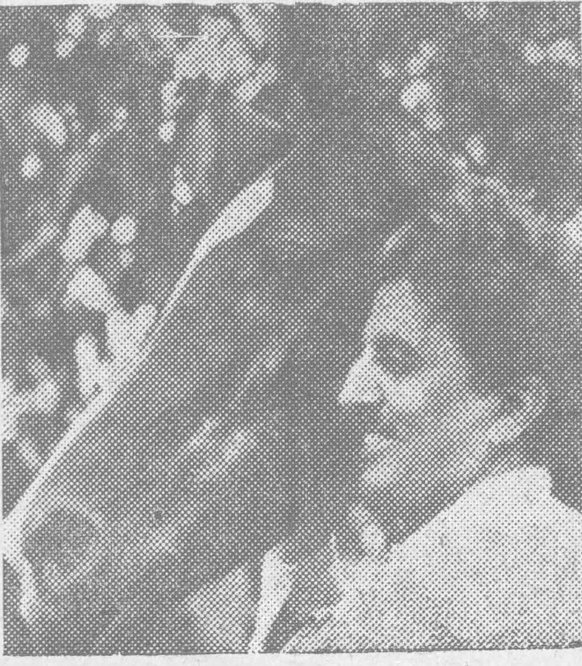
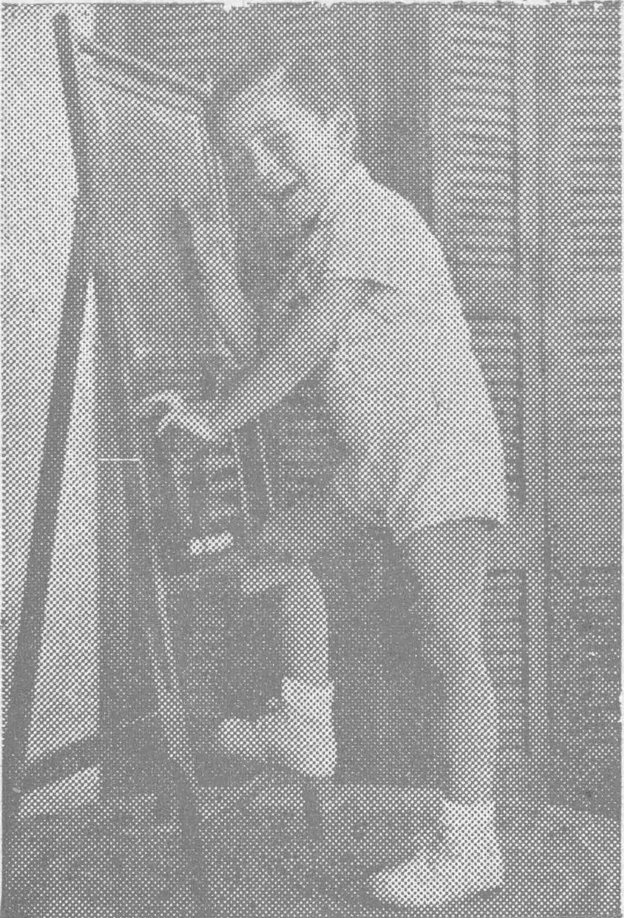
And I testify that I have never yet stood in awe of anything as I stood in awe of the face of Freikeh looking down on me from the overlook of a deep, enchanted valley which you imagine, beyond all doubt, to be inhabited by the gods of legend. No sooner do you enter the Rihani house than you are received by members of the family summering there, and two children toddle before you — little Ameen and little May — two children who bear, deliberately, two great names, or say rather two great responsibilities whose challenge they will face throughout a life that, God willing, will be long. Nor will you miss, despite the passing of the body, the pleasure of meeting the elder Ameen. For he is there... These are his things as he left them before his departure: pictures on the walls, of him and about him; bookcases filled to overflowing; treasured cards and letters that used to come to him from the great of the four corners of the inhabited world; his pens and his inkwells; the flagstone on which he stood every evening facing his Lord, opposite Sannin; the bed he slept on and the chair he leaned back in... everything,
even those things that cannot be touched by hand or seen by eye.
And if you sit down with Saada — his sister — she begins to talk to you of her great brother. She is a living history of him; would that the historians who hunt for trustworthy sources took notice of her and found their way to her, before it is too late. You listen with longing and eagerness; and you live with Ameen through the stories she tells you. And when she brings you to Ameen's early years, she rises with you to the balcony of
Ameen Rihani the elder
the house to show you the little church where he made acquaintance with the letters of the alphabet, the olive tree in whose shade he took his first steps in the rudiments of reading, the bench where he sat when he read, the table that bore the burdens of his pen for long years, and the road he used to walk in the early mornings and the evenings. And she goes on to tell you of what he loved and did not love, of the people who used to visit him, of his journeys and travels here and across the seas, of his ties with May Ziadeh, his tenderness toward her, and his sacrifice for her sake in the day of her ordeal; and of many other matters that description cannot reach. And no wonder — for they are as
abundant and rich as Ameen's life itself, measure for measure.
And enough for you, out of all this, that you live with Ameen moments at which time stands still: your thoughts turn back to the opening of this century, and then your memory climbs upward in the company of this man. And what a man he is! Did you not see him defy space, joining, with his mind and body together, the shore of the nearer East to the shore of the farther West, before 'black gold' joined them? And did you not see him defy time as well, delivering to listening ears and publishing in the papers his views on reform, which no ear in Arabic had heard and no eye had lit upon, before you heard them and saw them in the constitution of the Ottomans, the principles of Wilson, the Covenant of the League of Nations, the Atlantic Charter, and the other things the United Nations Organization is bringing forth? Take up
Ameen Rihani the younger