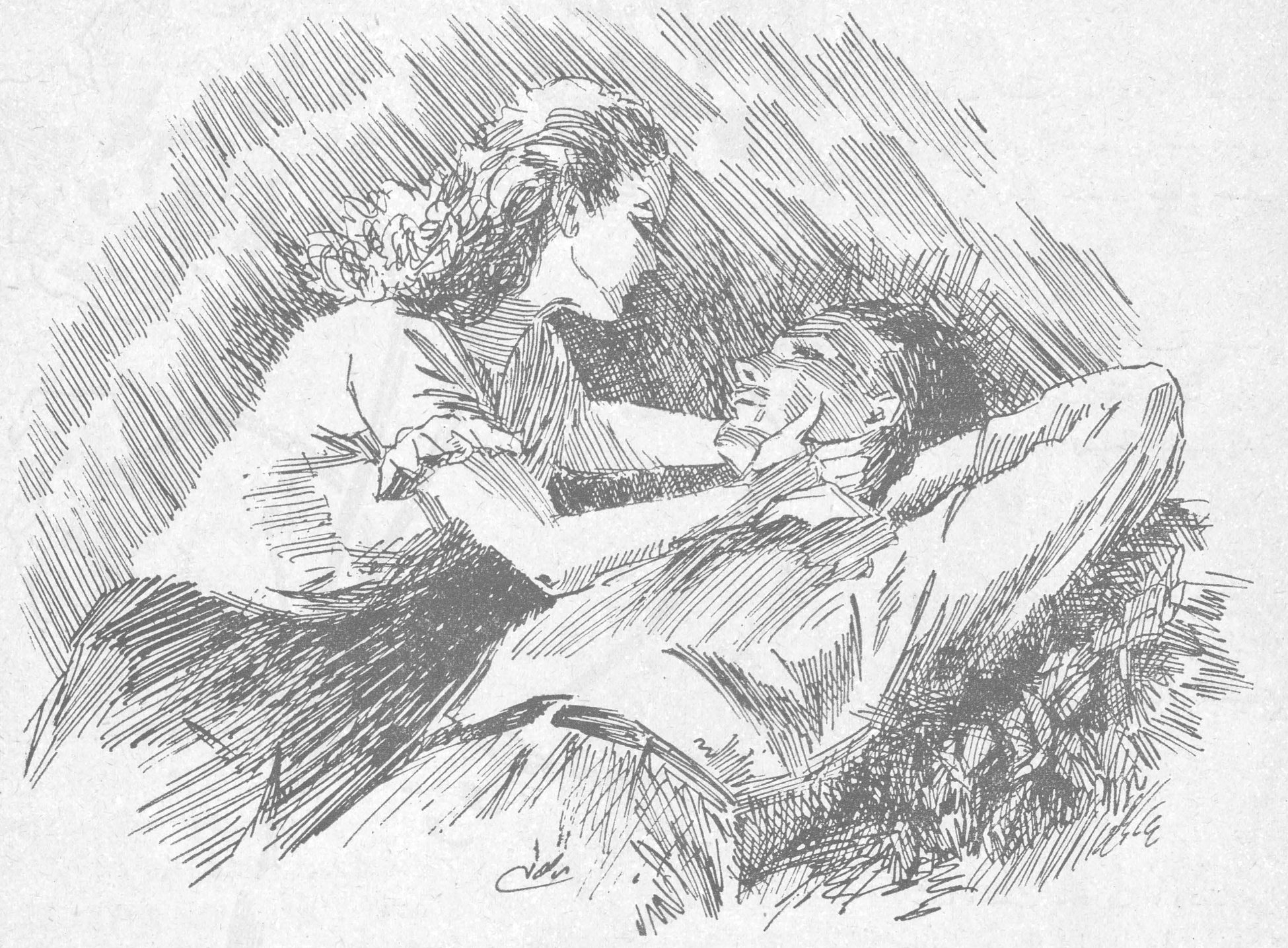
"The Four Seasons" is a book that has raised a stir in literary circles. It examines the phases through which woman passes in her life — in her spring and her summer, her autumn and her
winter. It was written by the French author Madame Marie Fontaine, and it is presented here, in an elegant review, by the great man of letters Ibrahim al-Masri.

Spring is the most beautiful of nature's pictures; so too is woman's spring the most beautiful picture of womankind. A man may love a woman in the fullness of her womanhood, but he will never forget her charms as a maiden; for the world of dreams in which the pure girl lives, who has never known defilement, is the world from which man draws his virtues: serenity and chastity, shyness and delicacy, innocence and purity, quickness of faith and love of gaiety. All these virtues are created by the presence of the virgin woman, and they take form in the spring of her life — that is, in the world of dreams.
It is the being of the pure, unspotted maiden that inspired the virtues in mankind, stripped the instincts of their weapons, tamed the man of the forest, and taught humanity the meaning of chivalry.
The truth is that you love your wife today because yesterday she was a maiden. But for the maiden's virtues that took shape within her soul, your heart would have recoiled from her; you would have turned away from her, and gone off searching for one who could be a woman without losing her spell as a maiden.
Every girl searches for the
Charming Prince... She seeks him in the depths of her own soul, in the poems of the poets, in the fancies of girlhood, in the dreams of adolescence, in the ever-smiling future, in her womanhood... But the Charming Prince is a phantom among phantoms, a splendid illusion adorned by the imaginings of youth; and yet the girl never ceases to look toward him and to search for him...
In the earliest ages the girl sought the Charming Prince in the figure of a mighty hero. Today she has come to see him embodied in the stars of the cinema —