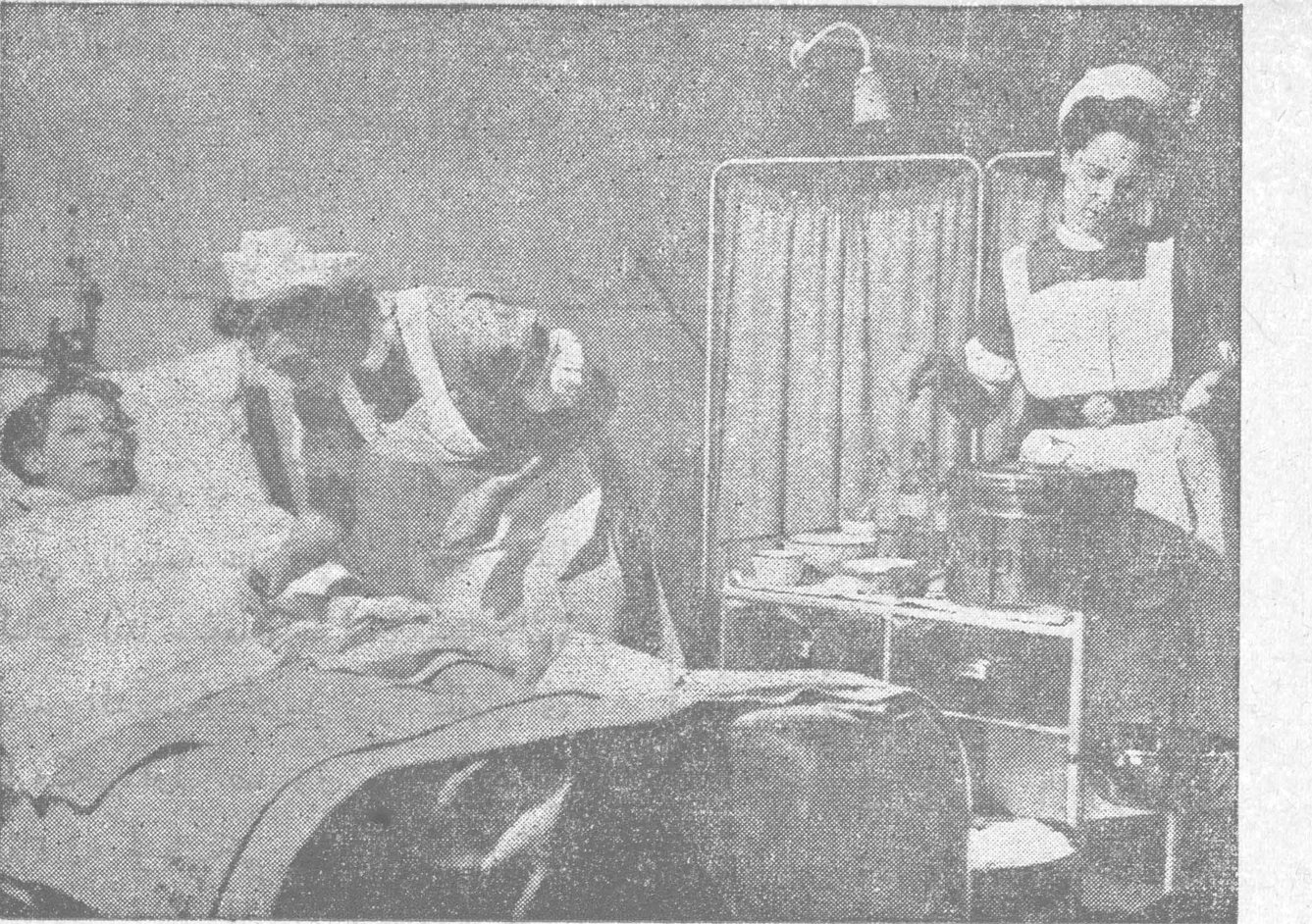

The sage said: patience is of two kinds — patience for what you love, and patience for what you hate. I have searched to find a human being possessed of both these patiences, and I found none but the nurse. She patiently bears the hardships of society with love — and that is the essence of patience. And she patiently strives to be a noble human example — and that is what she loves, and it is the best of love. Between these two patiences she is like a flower opening between the whispers of the dews and the smiles of the lights, drawn by every enchanting appearance until she finds herself divided among lofty desires and clothed in the garment of a virtuous humanity.
For nursing is a purely humanitarian mission.
The art of nursing is a course of lessons in the consolation of man, flooded through with the tide of loving-kindness.
It is an art that is among the finest factors that have helped to raise woman's station, and in it society has come to know woman's merit.
Among the most splendid deeds of heroism in this field of nursing is the heroism of Florence Nightingale, the nurse of immortal memory. History has told of her, in the annals of the Crimean War, how she carried out her noble mission while the mill of war was turning and mowing down the men — stepping past the dangers to rescue the stricken and aid the wounded.
How fitting it is for us today, the daughters of this generation, to follow this nurse in her distinguished humane course, marked by her great sacrifice, offering it in the arena of society as a pledge of love and a gift of peace.
Science, too, was among the impulses behind the spread of the art of nursing. When discoveries spread at the hands of Pasteur and Koch in the science of germs
How noble a candle she is, melting away at the patients' bedsides — all tenderness, warmth, and healing! She works in silence, as though she were the hand of God, wiping away wounds and pains.
and their relation to diseases, physicians' concern with scientific nursing increased, and the lives of thousands were saved who before had been left to die of wounds overrun by deadly germs. Thus the standing of nursing rose, and the nurse's role widened greatly, so that she appears upon every one of life's stages.
You see her in the surgical operating room, anesthetizing the patient by the various methods that modern science requires. You see her in the bone-setting room and in the art of plastic surgery. You see her in the delivery room, the right hand of the accoucheur and the guardian angel of the newborn, tending to everything
its soft, tender body needs. You see her guiding the mother to all the rules of health and steering her away from the customs the old women counsel. You see her in the bacteriology room — in the departments of eye and skin, of electrical rays, of internal medicine, of chemistry, and of mental diseases.
The nurse is no longer merely the angel of mercy; she has become a teacher and a guide, enjoying the immunity of the medical profession and swearing with the physician the famous oath of Hippocrates, declaring her fidelity
to the honorable principles of the healing art. Upon her services