• In our last issue we pointed to the efforts of the noble lady Iqbal Izz al-Din Zouk, delegate of the Lebanese Red Cross in Tripoli, together with the gracious ladies of al-Fayha, in providing recreation for the soldiers fighting for Palestine.
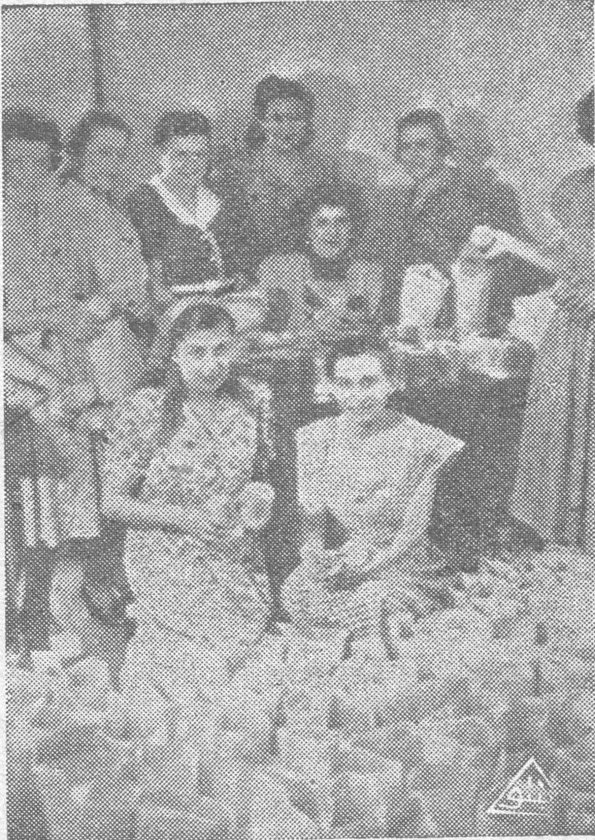
By an oversight, a photograph of the working administrative board of the Red Cross was dropped from that piece and published in another place in the issue, in the article "The Iraqi Woman in the Field of Heroism." We apologize for this error, and we take the opportunity to salute once again the ladies of al-Fayha.
• Miss Azoury was one of three young women who obtained the master's degree in microbiology at the American University of Beirut. Miss Azoury stated, in a conversation with the correspondent of "The Woman's Voice," that she had obtained a full scholarship from one of the American universities, and she has traveled to complete her studies there and to obtain the doctorate in microbiology.
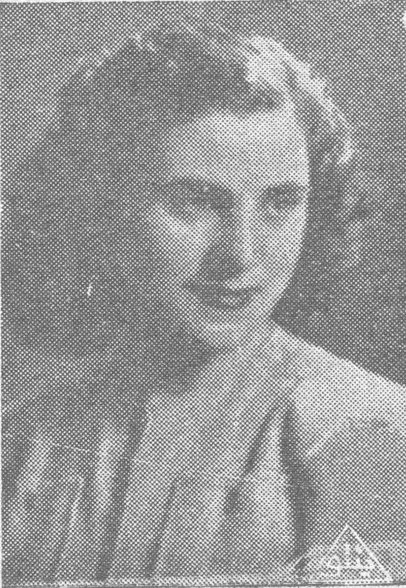
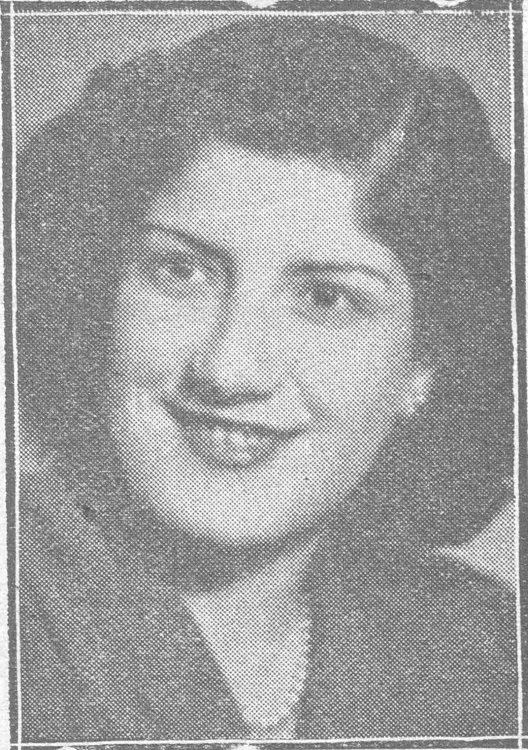
Miss In'am al-Saghir has written from Sweden, saying: "I never dreamed that this country was so magnificent. The more one sees the virtues of others, their order and their organization, the more one's own faults and shortcomings are set before one. And how much more strongly than before do I feel the utmost need to work for the progress and advancement of our country. In my opinion, Sweden is more important than the other European countries, and it deserves to be studied closely."
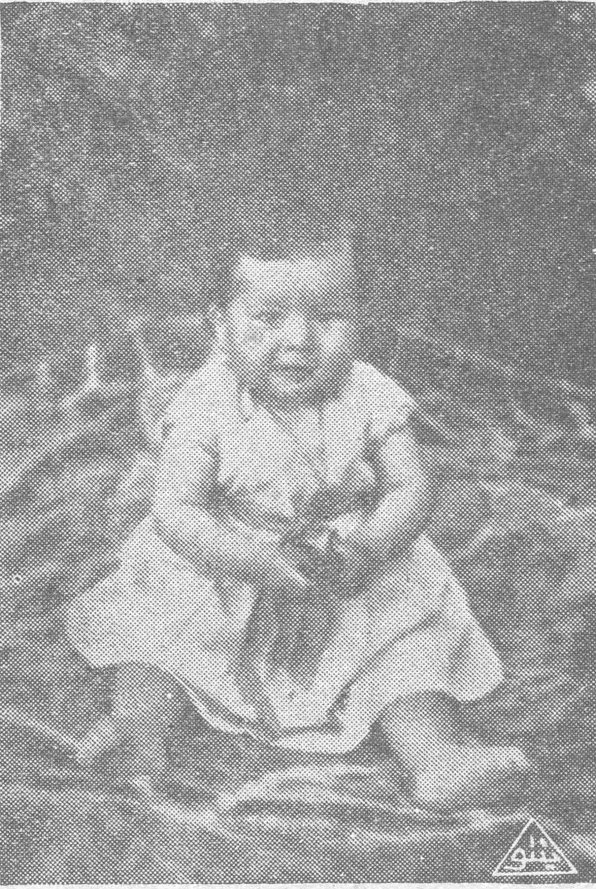
This is a picture of little Ghaby, daughter of Joseph Haidar, president of the Youth Charitable Society in Fih. Her first birthday was celebrated on the first of last September — many happy returns! The little child is in good health, in the care of her parents.
Qahtaba ibn Humayd said: One day, while I was at al-Ma'mun's court, when he had sat to hear grievances, a woman came forward in the garb of travel, wearing shabby clothes. She stood before him and said:
"Peace be upon you, O Commander of the Faithful."
Al-Ma'mun said, "And upon you be peace. Speak your need."
She said: "I have come to seek redress against the chief of a people, who wrested my estates from me unjustly and scattered my family and children from me."
Al-Ma'mun said to her, "Bring your adversary tomorrow, and we shall see you righted against him."
On the morrow, the first to come before him was that woman. She said, "Peace, O Commander of the Faithful." He said, "And upon you be peace. Where is the adversary?" She said, "He who stands at your head, O Commander of the Faithful"—
and she pointed to al-Abbas, his son. The Commander ordered his chamberlain to take al-Abbas by the hand and seat him with her in the litigants' place. Her speech began to rise above the speech of al-Abbas, and Ahmad ibn Abi Khalid said to her: "O handmaid of God, you are before the Commander of the Faithful, and it is the Emir you are addressing—so lower your voice." But al-Ma'mun said: "Let her be, brother, for it is right that has made her speak, and wrong that has struck him dumb." Then he ruled that her estate be restored to her, and punished al-Abbas for his injustice.