the patient gaze of the Ladies of the Society for the Revival of Lebanese Handicrafts.
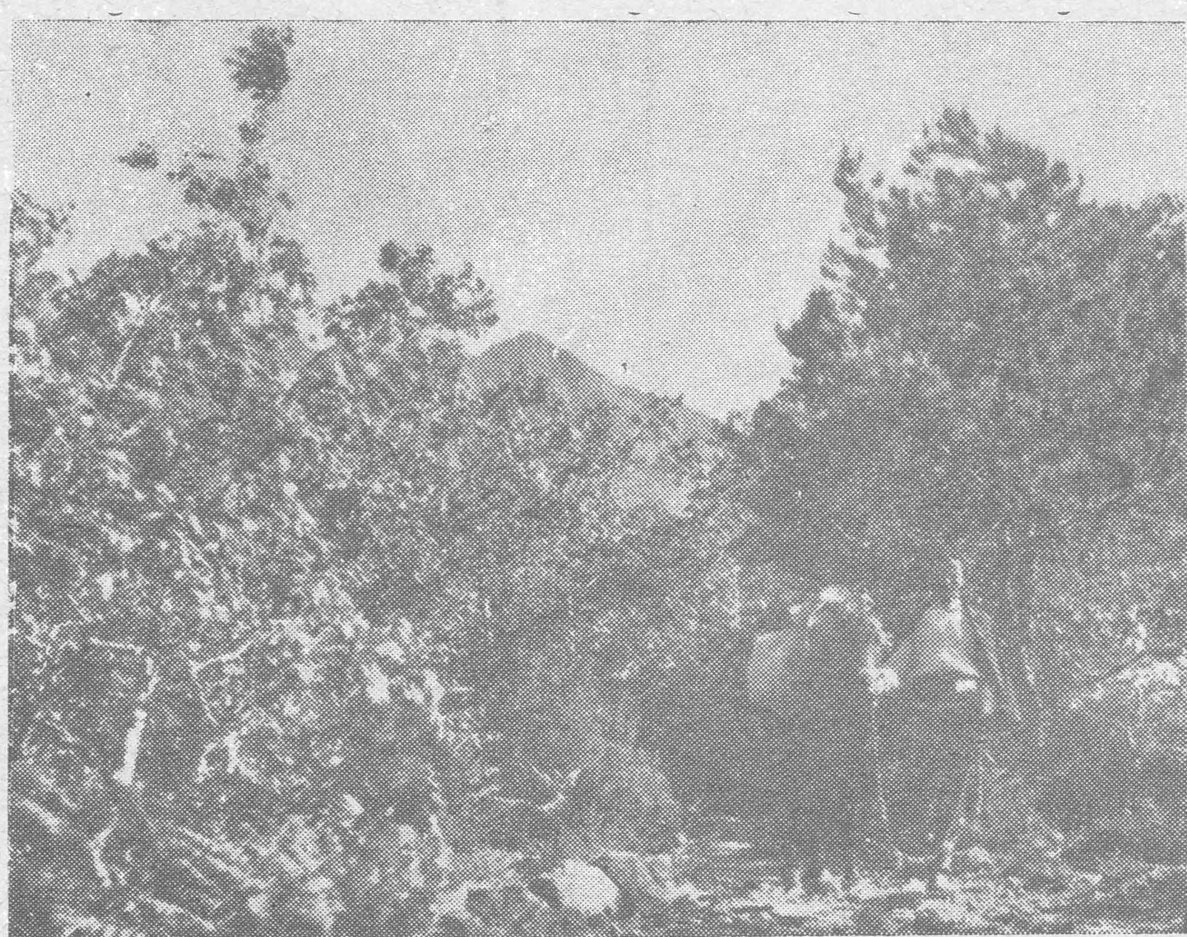
It was singing that the peasant women of Bchemoun and Ain Enoub learned to knit in the shadow of the ruined castle of Sitt Hebbous.
Hsarat, a lost village of the Jbeil region, without water, without possible cultivation, where
communism was taking root, has been cured of it thanks to the weaving of raphia, producing the pretty American table sets that have such success. Prosperity and gladness have returned there, thanks to handicrafts.
For despite his tendency to idleness, to which the mildness of the climate and the beauty of his surroundings invite him, the
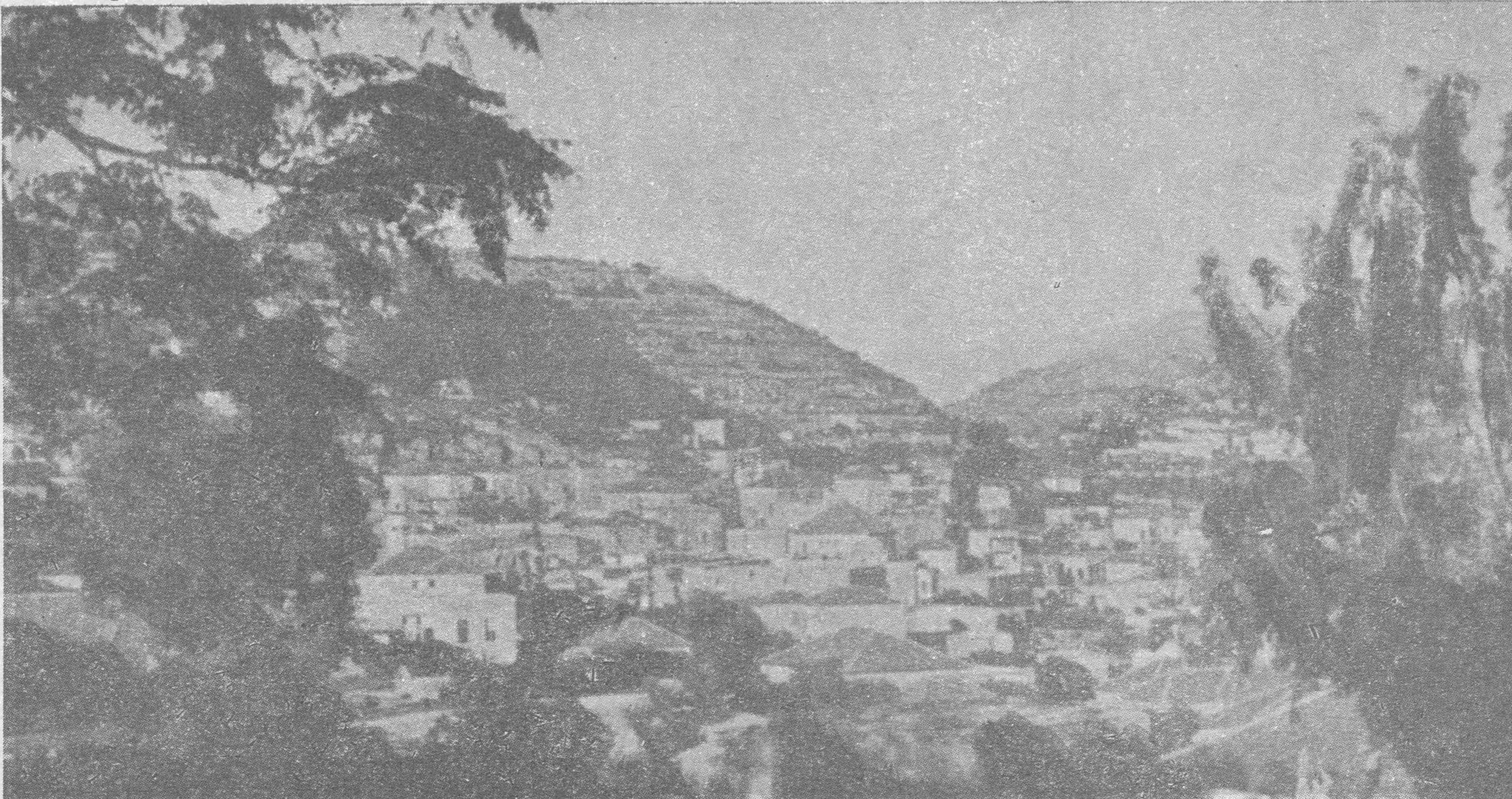
Lebanese peasant is active and industrious — witness those rows of terraces that rise in tiers across the mountain, holding the arable soil and permitting cultivation on the rocky slopes.
Deeply believing, Lebanon rallies its sons around their respective bell-towers, bastions of all faith and all hope.