The present struggle for equality between the sexes goes back to the end of the eighteenth century, and the first to call for it were the free men of the
French Revolution. But organized movements to raise the status of woman were not known, in most countries of the world, before 1840. The growth of these movements resulted in national and international congresses being held, and woman was granted man's rights in obtaining an education; there followed the demand for political rights. Certain states of the United States were the first to grant woman the right to vote, followed by New Zealand, then Finland, then Norway, then Sweden, then Denmark.
The American woman was not given absolute equality in political rights until after the First World War; then came Great Britain, then Czechoslovakia, the Soviet Union, Luxembourg, New Zealand, and other European states.
As for woman's attainment of equality with man in all rights, it remains a distant goal, whether in statutory law or in the course of daily life.
Old traditions, deficient educa
tion, and the difference between the way public opinion regards woman and the way it regards man — all these obstacles still stand in woman's path, and there is still pressing need of a long struggle; and this requires joint
international activity, of the kind we are concerned with today.
Years before the "San Francisco" conference, several international congresses were held to discuss the solution of woman's legal, and then social, problems. In 1902 some amendment was made to governmental regulations regarding marriage, divorce, and guardianship of minors, yet nothing tangible was carried out until the Covenant of the League of Nations was put into effect in 1920; it registered a step forward and opened the work of the General Secretariat to woman and man alike, on condition that persons of competence be accepted for posts without regard to sex or age.
In 1923 the same government affirmed non-discrimination between the sexes, and at the Fifth Conference of the American Republics, held in Chile, the members agreed to add certain subjects for discussion in the programs of coming conferences. The most important of these subjects was: how can the phys
iological difficulties that woman faces be overcome? And all girls' schools were directed to give greater place to the physical and mental sciences.
This was followed by the "Havana" conference of 1928, when a group of women banded together to study women's affairs in the American republics and to work for the attainment of their legal and civil rights; and at the seventh conference at "Montevideo" in 1933 the governments adopted these resolutions. Two years after that date, the League of Nations issued to all the countries of the world its call for spreading publicity for these resolutions and for their adoption by all.
Woman showed her desire to be given a wider field of real, practical participation, but this desire, in all its aspects, was not taken into consideration by the League of Nations until 1935, when it entrusted the study of this subject to the governments and the official women's organizations. Thirty-eight states replied, and important documents were thereupon drawn up, the purport of which was woman's equality in rights: the right to vote in local and parliamentary
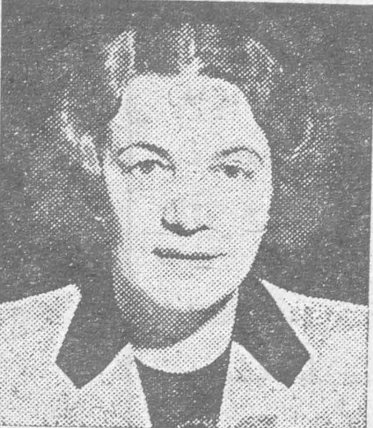
MME BEGTRUP
Denmark
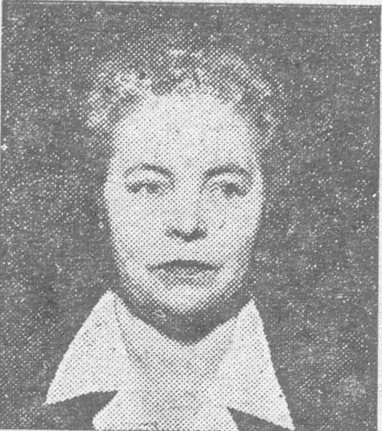
MME URALOVA
Byelorussian SSR
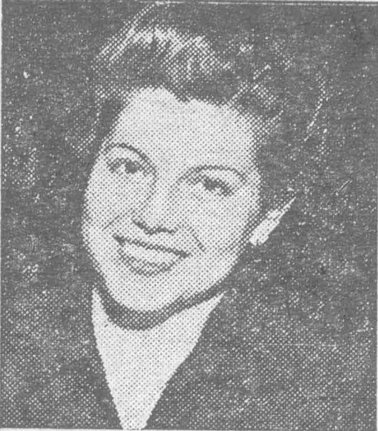
MME DE MONZÓN
Guatemala