The literary circles of Lebanon will not forget Julia Tu'mah Dimashqiyah.
The proprietress of “The New Woman” is the pioneer of the first struggle in woman's modern history.
At her hands, in “The New Woman,” a generation of writers and poets grew up...
The pages of “The Woman” used to shine with the outpourings of the young poets.
“The New Woman” passed away, but the fragrance of those outpourings has not passed, nor has the activity of that woman of letters gone cold.
Here she is, in this letter to the great poet Dr. Nicolas Fayyad, bringing back to us the memory of those days,
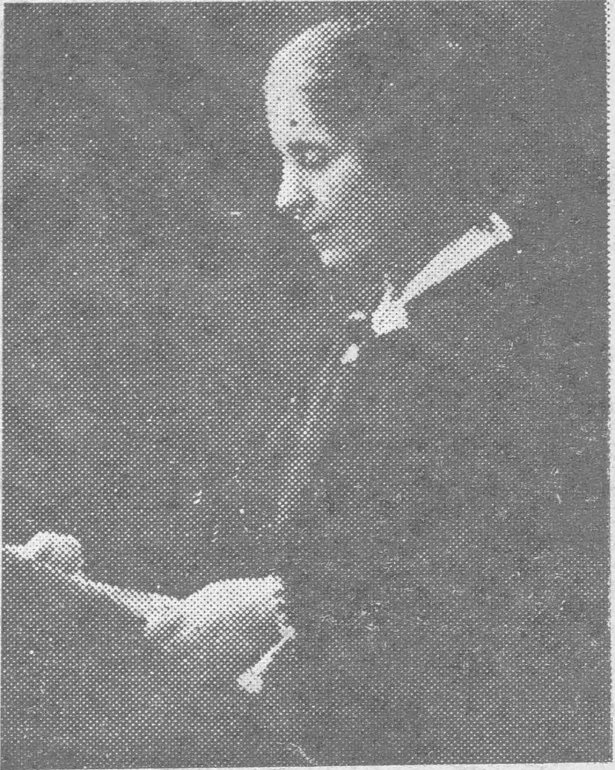
in which “The Woman” was producing men of letters in this country... May God prolong the life of Mrs. Julia.
“The Editors”
My dear Doctor and friend,
I once heard you say: “The loveliest praise I have ever relished, and the most eloquent appreciation of a poem I recited, is this phrase: ‘May your house be ruined, Fayyad!’” That was before a large circle of the women and men of letters of Lebanon who had come to celebrate the honoring of you and of our beloved genius (May), at the house of our late teacher Jabr Dumit, after a splendid oratorical evening at the American University of Beirut.
And here is history repeating itself: after twenty-odd years, this phrase — the “May your house be ruined, Fayyad” — leaps from
the lips of the selfsame person during your recitation of your poem yesterday, at the same University, in honor of its noble president Bayard Dodge and his life's companion.
Yes, my friend! I am in person that human being who uttered this phrase once more. It came to me spontaneously, as in times past, without my willing it, leaving me not even the choice or the power to alter it into something that might accord with my delight and joy in that hour when I listened to your voice as you delivered your message of feeling and tenderness...
And the strange, strange thing is that nothing else occurred to me to say that would express my gladness, my admiration, and my good wishes for this enchanting bard, and in the face of those bewitching words. But this, it appears, is I, and this is my stock in trade whenever enthusiasm rises in me to such a degree of admiration and delight. And does Fayyad want for praise or tribute or blessing coming to him from my tongue and my hand? Of this sweet, enchanting verbal merchandise he has, thank God, a great deal. All there is to it is that I found relief for myself when I found myself alone in my room, in the stillness of the night, free of all verbal fetters and professional conventions; so I opened the hidden stores of my soul and my
pent-up tears, and set off into the world of human thought and the higher ideals — the world that disowns these possessions and material treasures, these houses of stone doomed to ruin without fail, if not soon then late — into the world from which and for which Fayyad was created; that world which, though he desert it and disown it at times, inventing for the purpose some trifling excuses, never fails to supply him with the effusions of feeling God has singled him out for — like this effusion that stripped me of my bodily being and made me cry out at the top of my voice: “May your house be ruined, Fayyad”!!!
And now, all I want to know is whether the passage of time has changed your point of view and your judgment on such verbal whispers and improvised appreciation as reach your ears or fall beneath your eyes — and whether you still couple ruin with beauty, and refined feeling with a verbal expression as thunderous as this — this expression that calls down ruin upon you while you lavish upon us the finest things of the spirit and the treasures of feeling.
As for what concerns me, my friend: in spite of all the ruin, destruction, and pain I see around me and in my body, I still defy time, and age, and bitter pain; I soar aloft and higher whenever there blows upon me a breath of the spirit of God in any form or aspect of enchanting nature, or a holy breath breathed forth by one of the righteous reformers — whether it be a word, or a deed, or an overflowing effusion issuing from the depths of feeling — feeling alone and nothing else...