We published in our last issue some of the opinions of our educated ladies on whether or not woman should be given her political right, and "The Woman's Voice" continues this series, gathering more from the ladies.

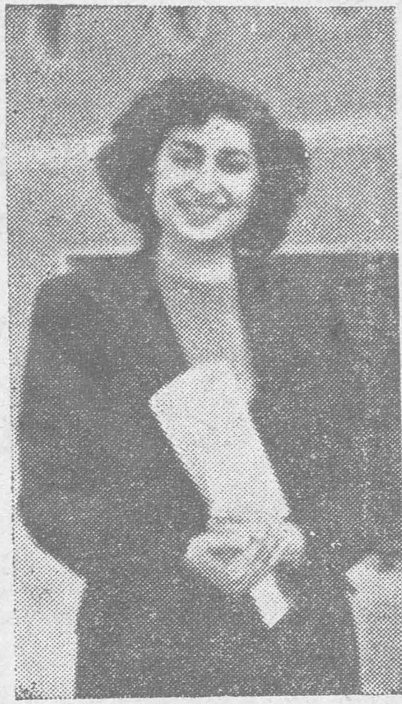
Miss Madiha al-Athari
While I acknowledge that the Iraqi woman, generally speaking, has not yet formed a selfhood of her own and an independent personality standing by itself, there are in the cities, and especially in Baghdad, a great number of ladies possessed of such mental competence and such comprehensive awareness of the fine points of affairs that I believe them ready to take up their political rights, now that it has become necessary for the educated Iraqi woman to enter Parliament, given the bearing this has on social necessities.
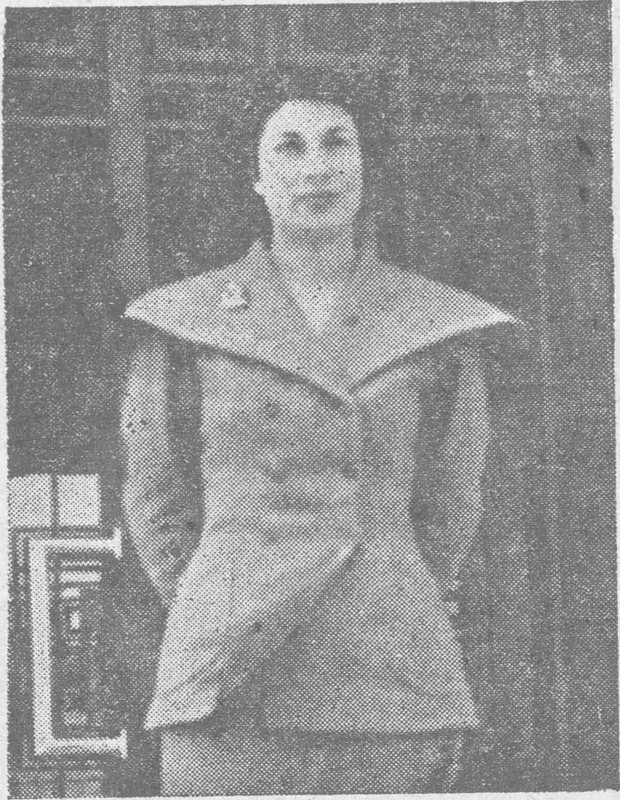
Mrs. Joumana Ahdab
I admit that many steps still lie before woman, in the way of education and of going deeper into learning; but I fear the waiting would be slow and long, and so I prefer that the Lebanese woman be given today her political rights in full. She may commit many errors when she first exercises these rights. Such errors are inevitable at the beginning of any undertaking; the illiterate man in Lebanon, who enjoys his full political rights, has no advantage over the illiterate woman except experi
ence — and woman will learn that experience only by practicing the work! And I propose that a branch of political affairs be added to the university's programs, to prepare young women to understand their national duties.
I favor the Lebanese woman's entering political affairs and exercising her rights as a citizen, on condition that she remain aware that her first mission is her home and her family.
If a woman is unable to bear the responsibility of her home and to exercise her political rights at one and the same time, then it is better for her to withdraw from the second field, lest the family be affected in ways we do not want for it at all. In my opinion, the aware, educated Lebanese woman can keep the balance between her home and her political duties, and therefore there is nothing to prevent her exercising these rights now.
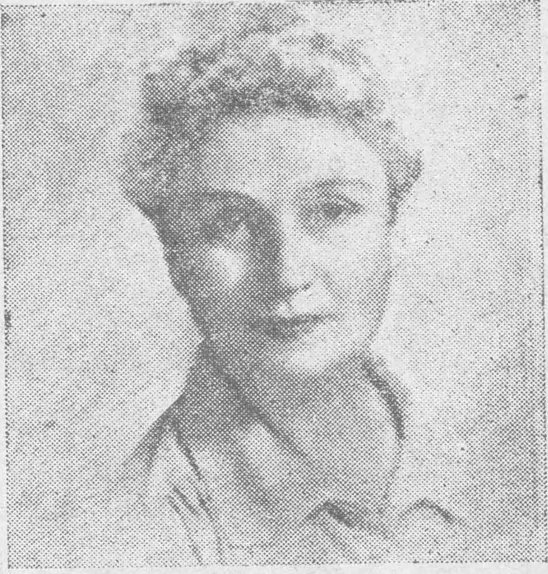
Mrs. Laure Tabet
When I was appointed official delegate of Lebanon to the Commission on the Status of Women and this question was put to me, I answered: yes, I favor giving the Lebanese woman today her political rights, because I consider this step the key to all the other rights. When we are in Parliament, we will have the right to make laws and to defend everything that serves the good of woman and the family.
And woman must exert her utmost to win man's confidence; and this will come about only when woman proves her competence — and the road to that is learning, and going
deeper into culture. When we become educated, we will impose our position, by sheer force, upon man and upon governments.
And it is necessary that man let us share in legislation and lawmaking on matters of health and family affairs and the affairs of children and women, for man does not appreciate the importance of these subjects as we do...