The artist Farroukh lived sweet years of his youth, in the splendor and majesty of art, in Europe, in the shadows of temples and shrines, and in the galleries of museums, and his spirit drank deep of those immortal masterpieces of art... Here the artist continues, in "The Woman's Voice," the publication of these artistic musings, setting before us various examples of the deep spiritual struggle which those ancient nations have lived and still live. - The Editors -
I continued my rounds in this museum toward the room of the foundling artist (Tomas), who recorded his feelings in his canvases, perfect in their colors, weeping in their lines. One of them depicts a woman hiding her face as she gives birth to a child still in swaddling clothes, weeping with
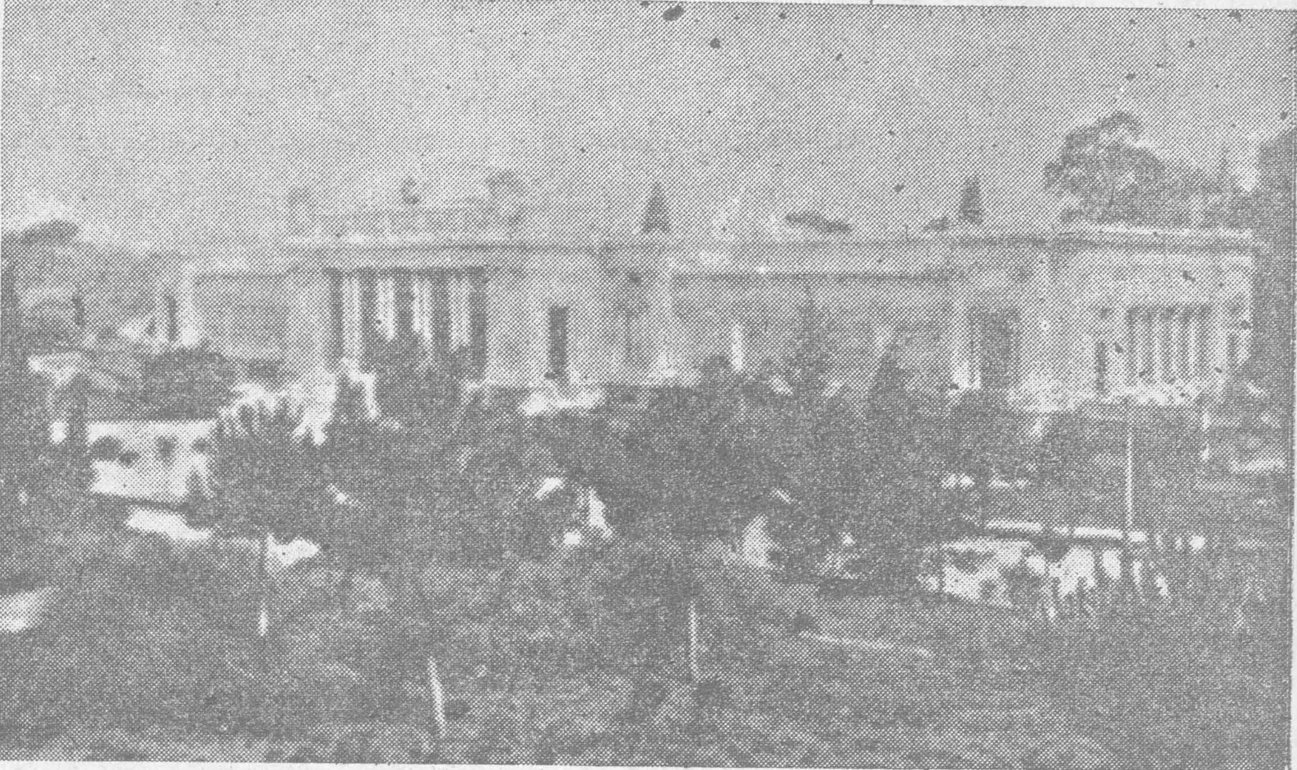
The temple of art and beauty in Rome
shame before the traditions of a hypocritical, unjust society — that society which stabs with the right hand it extends in greeting, and deals treachery with the left.
This artist has great pictures, among them the one portraying that girl cast into prison by her oppressors for her love of her homeland. She did not despair, nor did she flinch: there in prison she set about weaving bandages for the wounded among her countrymen, the defenders of freedom and dignity.
With this canvas the artist means to say to the people of his society: "That woman whom you have wronged and treated harshly — she is the one who feels dignity and feels your pains, and she binds your wounds, you who wounded her heart and stabbed her pride..."
When I reached the central hall, my eye was caught, in the place of honor, by a mighty canvas ten meters in length, depicting the people of Rome — men and women, youths and old men — come to save their homeland with their money and their jewels, after they had failed to save it with their lives.
This is a magnificent example
which art immortalizes in the field of patriotism, as it has immortalized others before in the field of nature, in society, and in the field of humanity, and as it
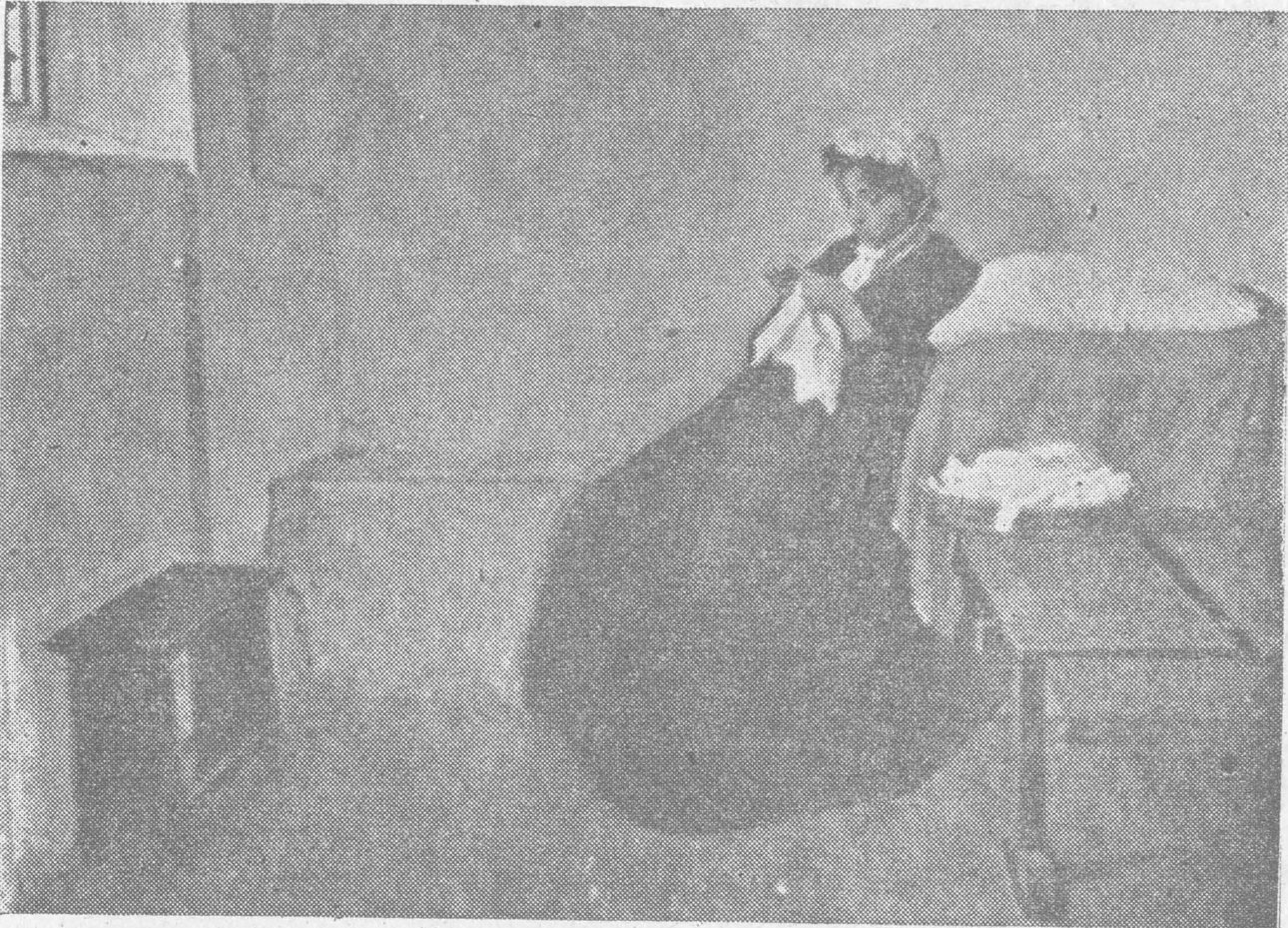
The Prisoner, by Tomas: weaving bandages for the wounded