
The great German writer “Emil Ludwig” chose ten extraordinary women to represent woman in her greatness in the various walks of life.
And the history of woman, in West and East, is rich in human activity — in religion, in war, in politics, in the sciences and the arts.
... “Aspasia,” first of the great women, was the heroine of Athens, thanks to her beauty and charm, her purity of heart, her boldness
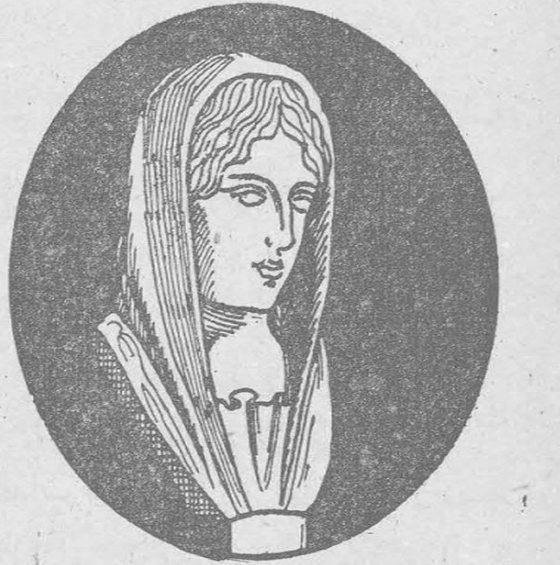
and her intelligence... Her house was a gathering place of Greek genius: there met “Socrates,” who said of himself that he was one of her pupils; the father of medicine, “Hippocrates,” who found in her culture an aid to his researches; and the great sculptor “Phidias,” who drew inspiration from the beauty of her soul and body.
Saint “Catherine” was great in her austerity and asceticism. She was beautiful and splendid, and she feared her beauty would lead her to ruin and error; so she cut off her hair, refused to eat meat, and made her bed in the shape of a coffin, that she might remember God always.
She played a part in the history of the Church... For the Church had split against itself and its condition had worsened, and the Pope had
abandoned “Rome” and settled at “Avignon” in France. She resolved to bring the Pope back to his seat in Rome, and succeeded at last in settling the disputes. And though she was unlettered, her book “The Divine Law” is equaled in Italian literature only by Dante's “Divine Comedy.”
She died at thirty.
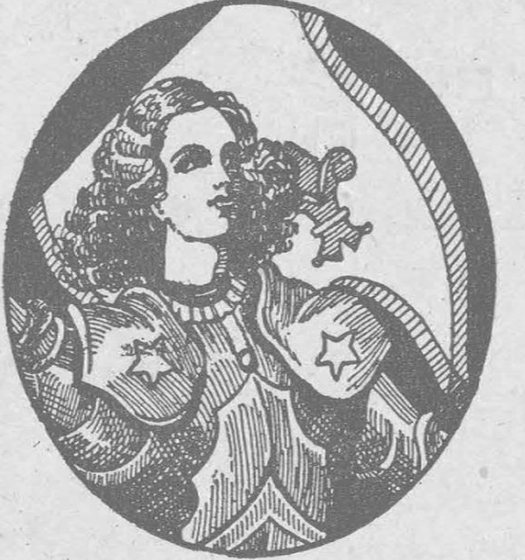
“Joan of Arc”.... the miracle of the spiritual powers... the divine maiden who gave her whole life to religion and homeland... At seventeen she was able to save France from the English, to crown the king, and to teach soldiers how to die beneath her banner...
And her death was a great act of heroism.
“Elizabeth,” Queen of England, represents the greatness of woman in politics... She was broad of mind, wise, bold, dignified in bearing, shrewd. In her reign the Spanish fleet, the “Armada,” attacked the shores of England and was utterly wrecked, and England became mistress of the seas; and in her days the great Shakespeare appeared. Her age is counted among the most brilliant of England's ages.
Fifth of the great women is “Maria Theresa,” Queen of Austria: she stood firm against Frederick the Great, and when she saw she could not resist him she made peace with him; and when her arm had grown strong she turned upon him and nearly brought down his kingdom... She was a virtuous woman and
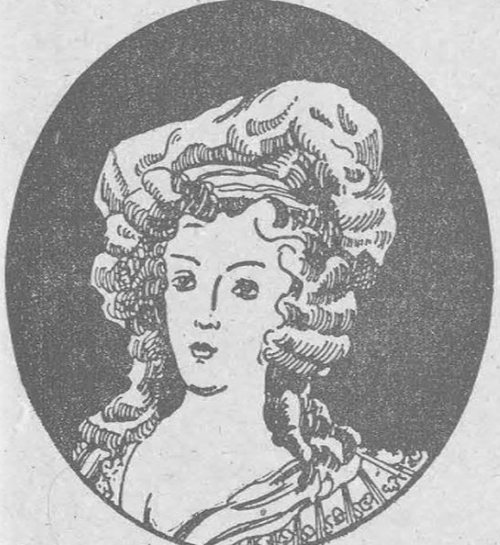
an excellent mother — she bore sixteen children — and she used to counsel her daughters to bear many offspring.