She was born in the depths of a prison and tasted the bitterness of poverty... yet she became the wife of the greatest king of her age, Louis XIV. Nor was she blessed with beauty... she had a large nose and a towering figure.
That is “Madame de Maintenon,” wife of the poet “Scarron,” the paralyzed pauper. When her husband died she worked as governess to the children of the king's mistress, and raised them well. Louis XIV valued her and summoned her to the palace; and at the palace she was able to turn the king from the path of amusement and error to the path of earnestness and sobriety... When the queen died, the king pressed her to marry him, and she consented — on condition that before the world she remain his lady-in-waiting... She managed every matter, great and small, in
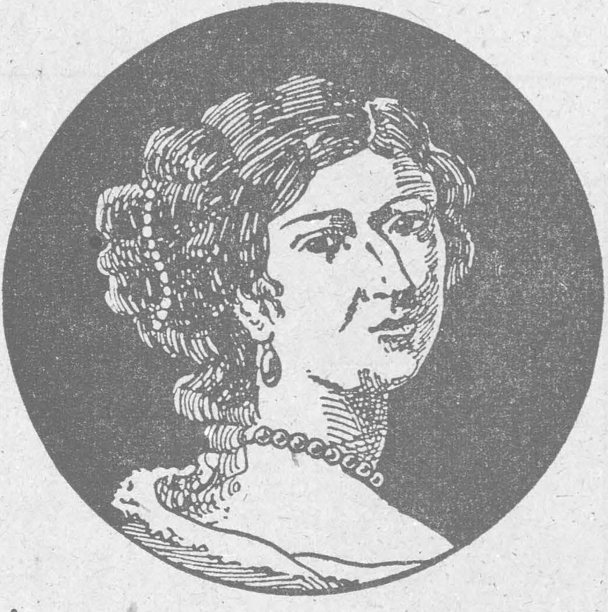
the state... And at the height of her power she did not forget the poor, but devoted her care to founding schools and asylums.
In the modern age, “Florence Nightingale” stands in the front rank of the great women.
The eighth great woman, in “Ludwig's” view, is the American girl “Harriet Stowe,” who consecrated her pen to fighting slavery and freeing the slaves... Her story “Uncle Tom's Cabin” is a ringing cry against the evils and
sins of slavery...
She used to say: “It is a story dictated by God.” And in that story she prepared the way for the war “Lincoln” waged upon slavery.
... And “Madame Curie,” discoverer of radium, is a splendid example of the greatness of woman, for she refused to let man claim any work for himself alone, however weighty. She is an immortal model of struggle and patience.
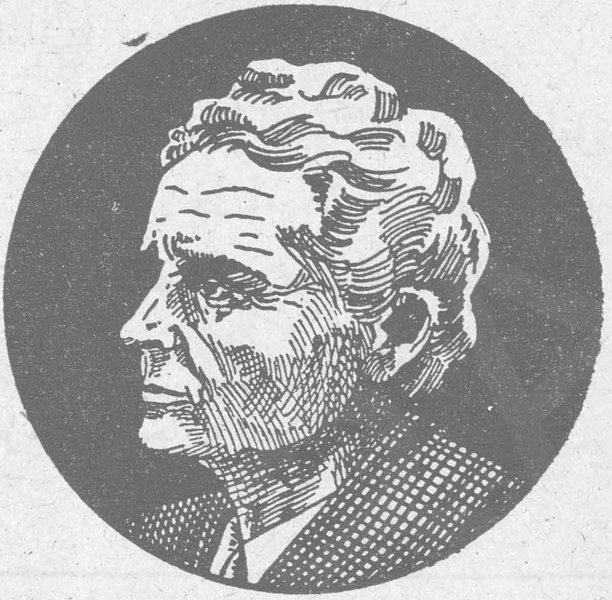
Her husband the scientist died, and she succeeded him in his chair at the University of Paris. Madame Curie was simple in dress and plain in appearance, but her face and eyes shone with dignity and intelligence.
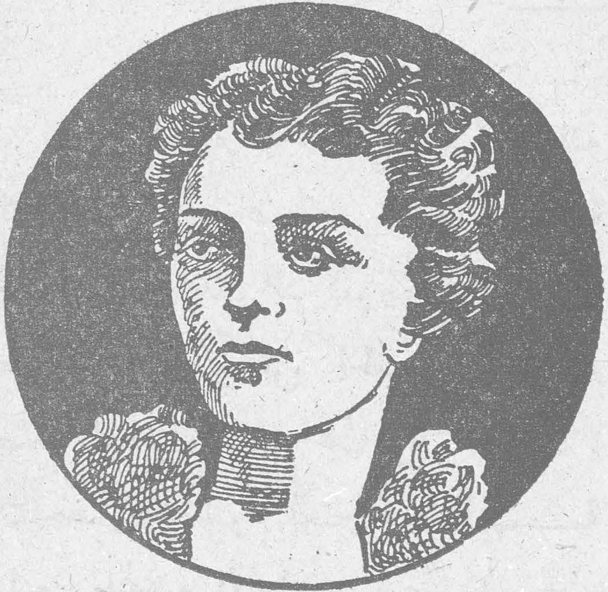
And the tenth of the great women is an actress and dancer, “Eleonora Duse.” She was born in the train of a traveling circus... and suffered much from illness and toil until she became the greatest actress in Italy.
She formed a bond with the great poet “D'Annunzio,” and had a great influence on his literary output... Then she moved to the stages of London and New York, and won the admiration of the entire world. In her later years her beauty turned into an immortal splendor — one of those splendors that marked the faces of “Goethe, Napoleon, and
Beethoven,” and which is rarely found in a woman in her old age...
These are the great Western women “Ludwig” pointed to; and in coming issues we shall give splendid pictures of the great women of the East.
There has fallen into our hands an issue of an American women's magazine dating back fifty years. Here we pass on to the women readers of “The Woman's Voice” a few gleanings from its observations.
1 — A number of boys make for the beach, going there to swim in their striped costumes, reaching down to the knee...
2 — The girls have begun to take up “tennis,” setting out for its courts in flocks, in their starched white blouses with the long sleeves.
3 — We advise mothers to be indulgent when they see in their daughters a desire to lift their hair a little and show a bit of the ear... for we see in this gesture no offense against propriety and no departure from modesty!
4 — A simple gold pin is the only kind of jewelry a girl may wear before her fifteenth year!