We publish below a page from the book "May and Gibran," which will appear shortly, in which Mr. Jamil Jabr has treated the interplay of feeling and thought between these two writers, who loved each other for
some twenty years with a love that reached rapture.
On a black bed in the Maadi hospital in Cairo, a wasted woman in the autumn of life writhed — sighing at one moment as though in a blazing furnace, and falling still at another, fixing her eagle eyes upon the heights, to ask their dwellers where the journey ends...
In that hour dividing death from life, May gathered up, in her mind wearied under the weight of pain, the phantoms of her deep-rooted memories; and she shivered with an awe mingled with despair, and whispered in the depths of her bewildered soul: Oh, the disappointment of hopes...
And the ghosts of her stormy yesterday rushed forward, racing one another like a flock of thirsting birds coming down to the water: here is the school of Aintoura, where her unruly dreams still leap into the open sky. And here is her eternal home in Cairo, throbbing at its heart — throbbing with the tenderness of mother and father and the devotion of the faithful friends who frequented her salon. And here is the strange poet
with whom she reached under
standing in spirit, whom she loved to the point of rapture and never saw — here is his ghost, the ghost of the rebel Gibran, appearing to her in that last waking; and she starts up and cries: Leave me alone — I thirst for solitude. So the nun withdraws, and with her withdraw the faithful few who had been visiting the woman of letters in her hard ordeal.
Yes: she thirsted for desolate solitude, at the step of the end — she who had spent the whole of her life alone in heart, alone in spirit. She groped for solitude that she might give herself over to contemplation and inward communing, in the shadow of a stillness that deepens sorrow.
And on the table, close beside her, were four books: Graziella, Dil Hilmi al-Ta'ih, The Picture of Dorian Gray, and her own book Bahithat al-Badiya.
And suddenly, at midnight, there was heard a broken gasping, like the sobbing of a child as it chokes; and the nun hurried to the sick woman and found her with staring eyes and ashen face, and asked her what ailed her; but she had no strength to answer except by a gesture toward the heart. The private physician made haste, but it was not long before he owned his helplessness and the helplessness of his serums. And the clock went on its round of the dial with its pitiless coldness, May's breaths growing tighter with every moment, until it was ten o'clock
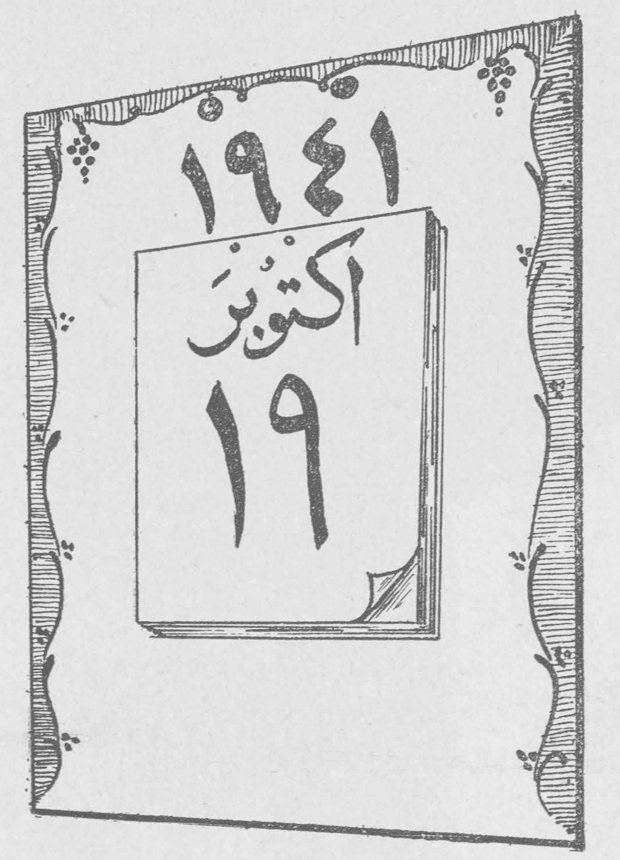
of the morning of the nineteenth of October in the year 1941 — and the bed shook above the frail patient... and it was the last beat of the tortured heart...