True — I am nervous, dreadfully nervous; I have been and I still am. But what makes you believe that I am mad? No! I am not mad. The fever has strained my nerves. I have heard all things in the earth and the heavens, and I have heard many things of hell. How, then, can you call me mad, when I enjoy good health, dignity, and composure? And observe how calmly I tell you the whole story.
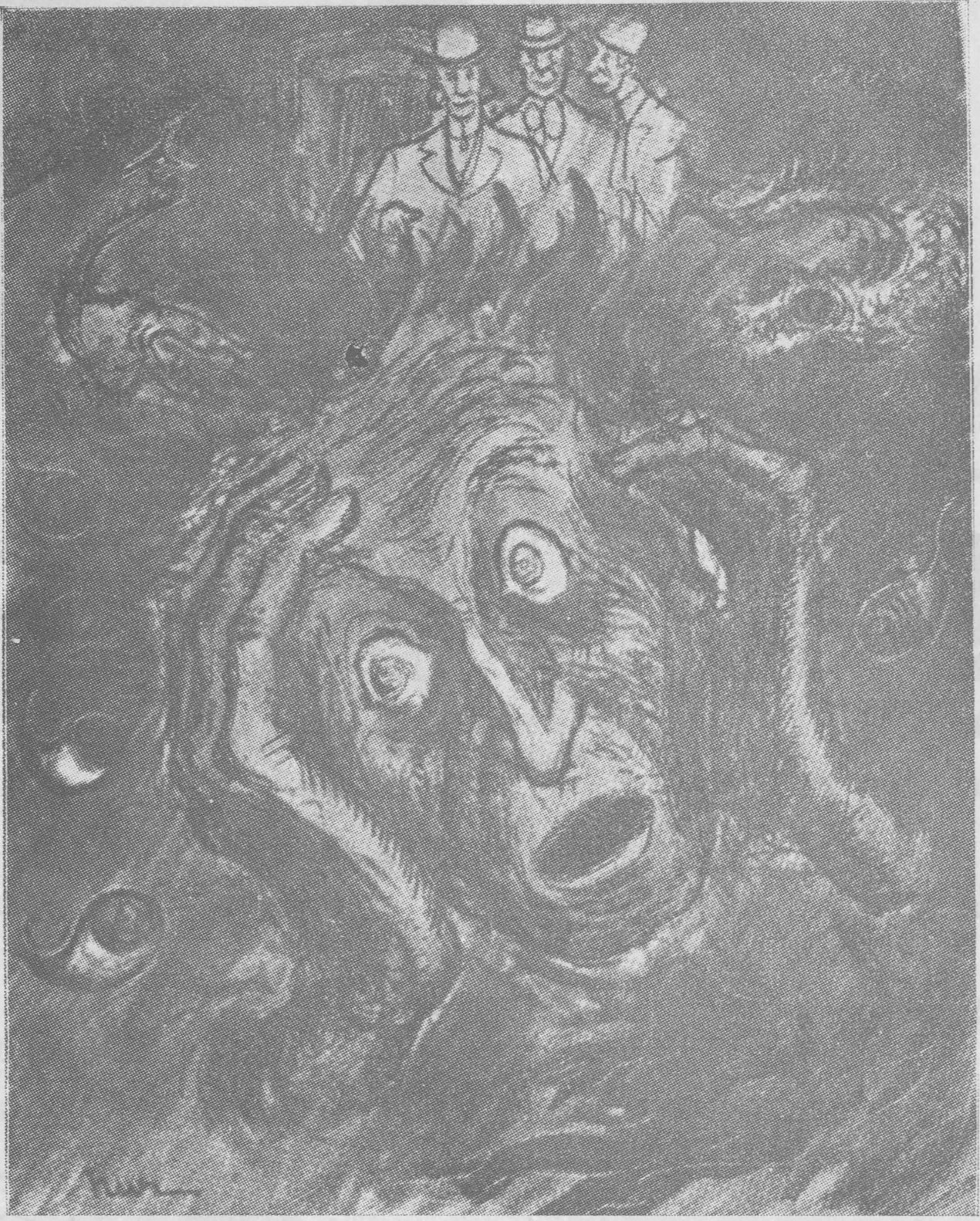
It is hard for me to say how the notion first came to me, but once it did I embraced it and fell into its grip. There was no object, and there was no impulse of passion, for I loved the old man, who had never once done me harm or offered me any insult, and I had no desire for his gold. Yet I know the one cause: it was his eye. Yes, his eye — for it was like a vulture's eye, a pale blue, with a film over it. Never did that eye fall upon me but my blood ran cold in my veins.
This point is the crux of the matter, and you will think me mad. Madmen know nothing. You should have accompanied me while I carried out my resolve, and then it would be clear to you that I am not mad — for I carried out my resolve with all wisdom, caution, and foresight.
Never in my life was I kinder to that old man than in the week before he was killed. Every night at midnight I would go to his room and open the door of the room with care and gentleness, just far enough to admit my head. I would put in my hand, holding the lantern, shrouded on every side so that no light escaped it; then I would put in my head, carrying out this work with exaggerated caution so that the man would not wake from his pleasant sleep. Often this work took me a full hour. Is it reasonable that a man described as mad would do such a thing? And after I had assured myself several times that the man was asleep, I would try to make the lantern cast a faint ray of light upon that vulture eye. I did this for seven nights in a row, and each time I saw the vulture eye with its lids closed, so I turned back from my resolve, because the old man himself did not trouble me; it was his eye that was the source of my distress. And when morning broke, I would enter his room with a strange
boldness and speak to him freely, addressing him in a voice overflowing with tenderness, inquiring of him how he had passed his night.
On the eighth night I was more cautious in opening the door of the room than on any night
before it. Never in my life had I realized the extent of my power and my resolve as I realized it that night. I gloried in the feeling of triumph stirring within me — and it is a sight that awakens such a feeling in the soul: there I was, working the door of the