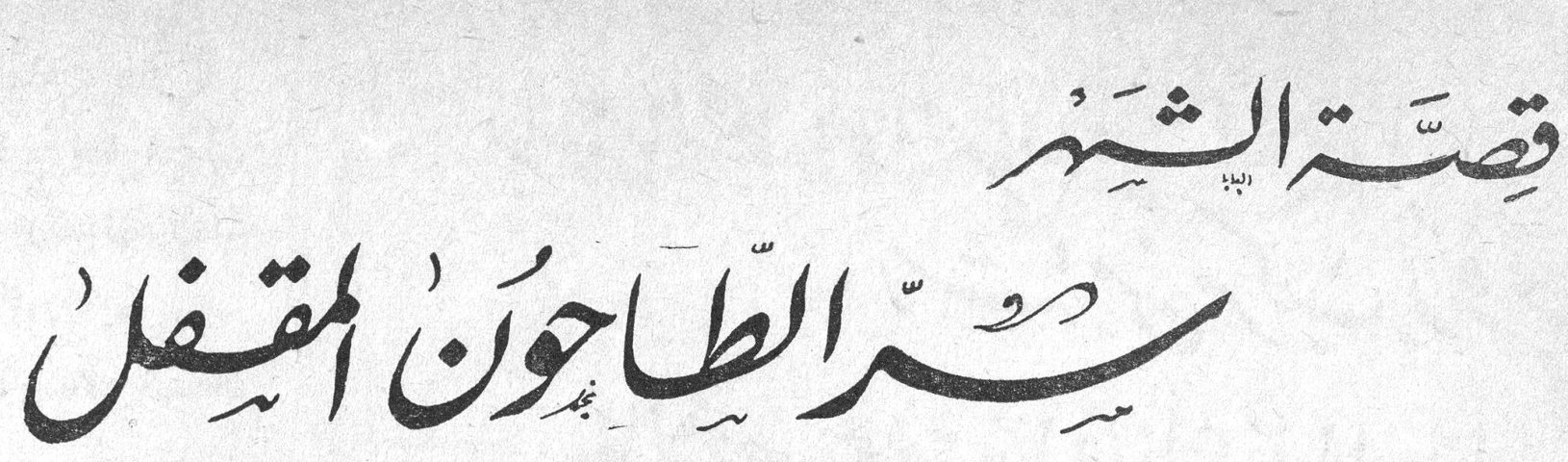
You should know, sir, that our country was not always dead as it is today. Yesterday there was a great traffic of milling here, and people came to us with their wheat from villages near and far to have it ground. These hills around us were covered with windmills; whichever way you looked, right or left, you saw their sails turning above the pines and the oaks, and saw the donkeys, heavy with their loads, going up and down the paths. All week long it was a true joy for the eye to light on these sights, and for the ear to hear the cracks of the switches with which the muleteers drove their beasts; and when Sunday came, we all went up to the mills, where the millers served us the delicious old wine. Their daughters were beautiful as kings' daughters, with their embroidered shawls and the gold ornaments at their throats. We would stay until the end of the night, drinking and singing and dancing... Believe me, my friend, those mills were the joy and the wealth of our country.
But what could be done? One day it occurred to a company of people from the capital to set up a steam mill in our country. Everything new has its pull, and people took to sending their wheat to the steam mill, and the poor windmills were left without work. They tried to resist for a while, but in the end steam got the better of wind, and they were forced to shut their doors... The donkeys ceased going up and down the paths, the millers' daughters sold their gold ornaments, and of the delicious old wine nothing was left but the memory. Let the breezes blow as they pleased—the sails of the mills above the pines and oaks stood frozen and would not stir.
Then the municipality ordered these shacks torn down and their timbers broken up, and the planters planted vines and olives in their place... all but one mill, which remained standing amid these ruins in defiance of everyone, and never ceased its turning:
the mill of Master Cornille—this very one where we are spending our evening tonight.
•
Master Cornille was an old miller who had lived in flour for sixty years, and he loved his craft to the point of worship. When the steam mill was set up, it struck him on the head and he became like a madman. He spent a week running about the village, stirring people up against it and shouting at them with all his might that those people meant to poison them with the flour of the steam mill. He would say:
"Don't go there. Those thieves use steam to make bread, and steam is the invention of the devil. As for me, I work with the breezes, which are the breath of God!..."
And many other things he said in praise of windmills. But no one listened to him.
Then a despairing fury took hold of him: he shut himself up in his mill and lived alone like a wild beast. He would not even allow his granddaughter Vivette to stay at his side—a girl of fifteen who had no one in the world to turn to but her grandfather, her parents having died when she was small. So the poor thing wandered about the village and the neighborhood, helping with the sowing and the harvesting and the tending of the cows, earning her daily bread by painful toil. And yet Master Cornille loved her dearly; sometimes he would set out after her from village to village, and when he met her he would sit facing her and spend hours looking at her and weeping...
Master Cornille's condition worsened, and he fell from honor into abasement. He walked the roads in worn-out rags, a filthy cap, shoes full of holes. And when
Sunday came, he did not go up to the front benches in church, but stayed near the door with