
The Correspondent: Before hearing any request for clarification, His Excellency hastens to deliver the historic glad tidings, the greatest among glad tidings, saying:
His Excellency the Prime Minister: I have referred the bill to the Committee on Administration and Justice, and after its approval it will pass to the Chamber of Deputies. My bill is complete — complete, all the rights at a single stroke — and the Lebanese woman will vote and will stand for election to both councils, the parliamentary and the municipal.
And His Excellency smiles the smile of a victorious man who, by restoring the Lebanese woman's stolen right, has opened the road for all the women of this Near East to take part in the renaissance of the Arab world and the Arab lands. And he smiles too the smile of one who knows how the news falls upon a Lebanese woman — one among dozens of Lebanese women who have labored since their youth for this equality and for the lifting of that shameful black injustice.
I thanked him in the name of The Woman's Voice and said: — In the previous Chamber they used to make the excuse that laws are not enacted in extraordinary sessions. — In any case, it is understood that woman will not exercise her right in the parliamentary councils before the term of the present Chamber expires.
And the municipal councils? The election date is next
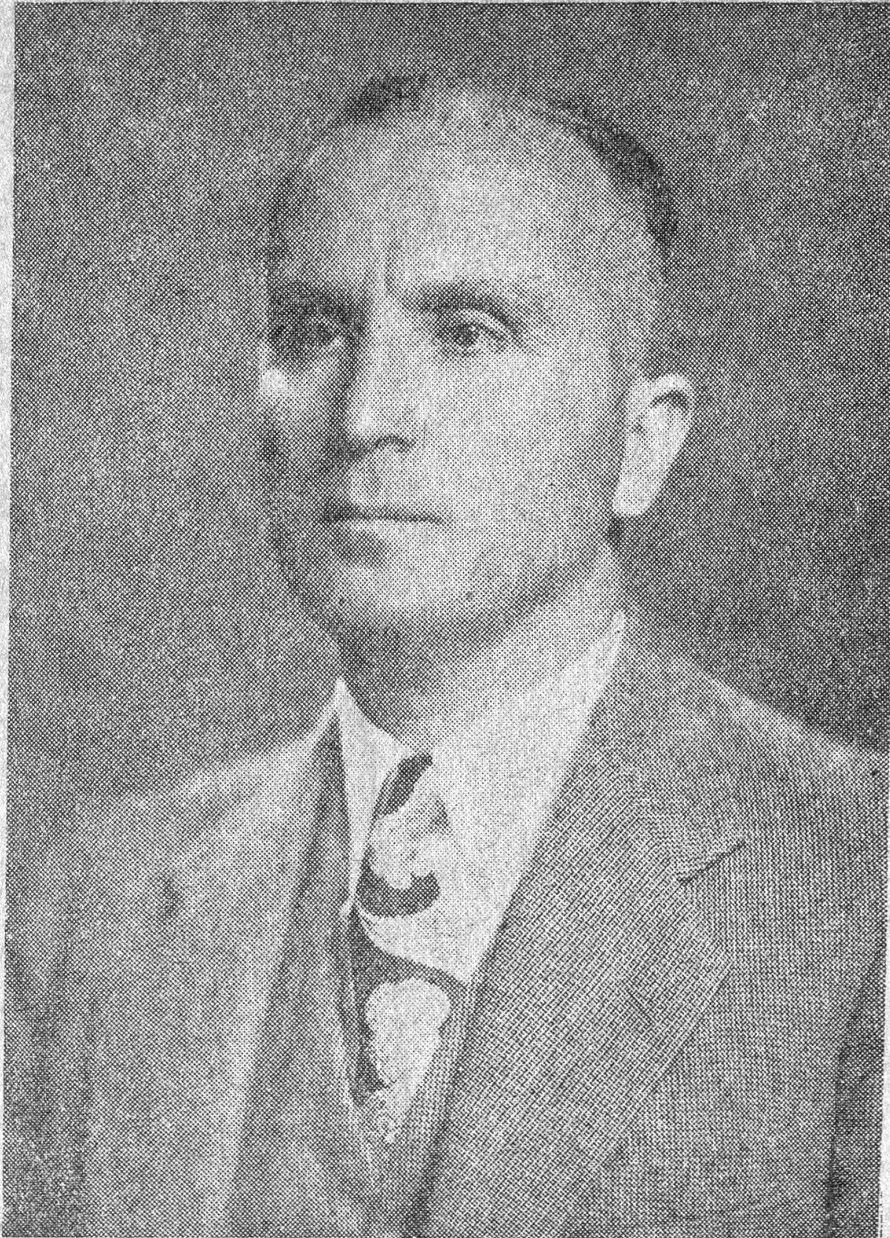
His Excellency Abdallah Bey al-Yafi, the first head of government in the Near East to champion woman and give her her rights in full.
October? — Even should the Chamber ratify the bill, there remains before you the element of "time," and I believe the interval is short for the preparation of the rolls and the lists...
— In that case, supposing the municipal elections take place before the administrative requirements of the vote are completed, do you not think — since Your Excellency intends to arrive at swift reform — that the government might, by way of exception, delegate certain ladies of attested merit, experience, and energy as assistants to the parliamentary councils, in those matters that fall within woman's competence: the fields of cleanliness, health, public relief, and beautification?
At this point the judge, Mr. Wafiq al-Hasimi, joins the conversation and says: — Appointment to elected councils is not possible.
The Correspondent — I do not mean appointing women as members; I mean delegating them as advisers or assistants to the municipal councils, so that reform is not delayed by two years! — I find nothing to prevent the municipal councils from availing themselves of the ladies' efforts and delegating assistants or advisers from among them.
May The Woman's Voice count Your Excellency's words an explicit promise? — Of course, most certainly, and as quickly as possible.
— I should like Your Excellency to enlighten me on the project of the Lebanese University: Against the students' insistence on hastening its founding stand other opinions that counsel deliberation — there are the material and technical difficulties. — We shall not create today a complete university like other universities. We shall create certain branches that are not taught at the two universities, the French and the American. It is the nucleus of a university that I hope will become — in the future — a standing, tangible reality.
The correspondent rises to take her leave, for in the anteroom more than twenty visitors are waiting — and His Excellency rises and says: — Two causes I have carried out from my program: the destruction of the hashish crop and the rights of the Lebanese woman; and this latter cause is now before the parliamentary Committee on Administration and Justice.
The Woman's Voice: We have published in another place in this issue the acknowledgment of the parliamentary committee to which the women's rights bill was referred, together with the draft law and the memorandum of grounds. We await the Chamber's ratification of these rights so that we may say... At last! Thank God!!