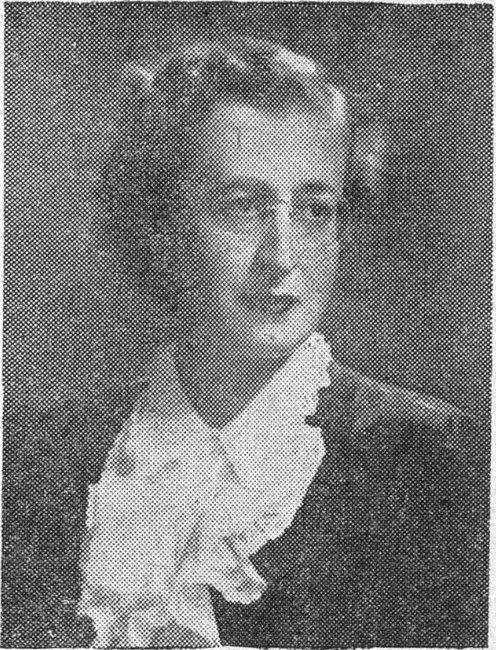
Habiba Yakan: "The necessity of giving every lady the personal freedom to vote or not."
But rest assured that woman — the mother, or the woman student, or the woman working in the cultural and social fields, or any other — none of these seclude themselves apart in the cinemas and theaters, or in the lecture and concert halls; nor do they sit their certificate examinations in rooms set apart for them. The girl sits beside her brother the boy, and women and men mingle in most gatherings. If you cannot see this, then you had better enact laws and statutes setting apart special tram cars and special halls for cinema and lectures, or designate special sidewalks and streets for women — what do you say to that?!...
Miss Kaddoura, in the name of women generally, thanked the gracious chairman of the committee, Mr. Habib Abu Shahla, and those of its members who support woman in her demand. But we, for our part, wonder how they permit themselves even to raise questions about self-evident matters that deserve no such attention and study. Those present were reassured by what Miss Kaddoura told them — yet no sooner did the next day's papers appear than each of
them, on her own, was astonished at what was written about that meeting and at the misstatements that occurred. What happened? Do the honorable committee members, in the presence of the ladies of the women's committee, decide things different from what they decide in their absence?! Or do the newspaper proprietors have private purposes of their own which they promote, writing what they never heard?!
After this subject had been examined, the gathered ladies turned to various matters. The physician Saniya Habboub Nakkash observed that the best work a woman can accomplish is to restore spiritual values to
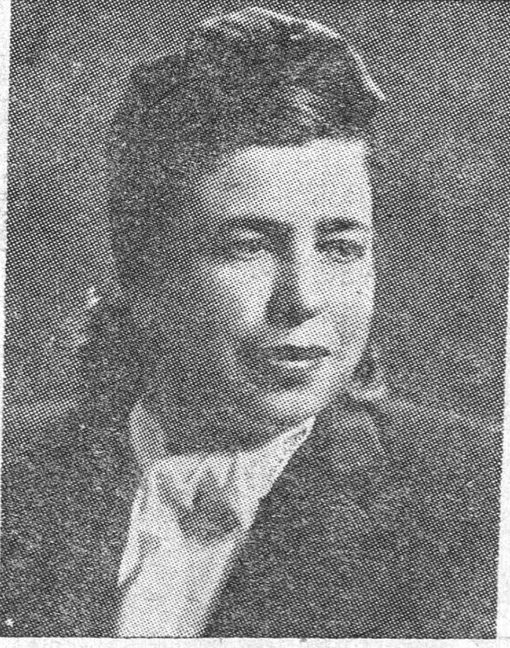
Zahiyah Dughan: "The veil does not prevent woman from exercising her political rights."
the understanding of those in her charge and under her care, creating a home of peace and security whose members grow up on love of others and on work for the good of the homeland.... Then the subject of political rights returned to the discussion, and Miss Ibtihaj Kaddoura remarked that the question has no connection whatever with religion: we know that the Arab Prophet gave the Arab woman full rights — women pledged allegiance to him as men
did, and took part in every side of life alongside men. Mrs. Habiba Shaaban Yakan, for her part, insisted on giving personal freedom to every lady: she who wishes to vote finds the door open before her, and she who does not is fully entitled to abstain, in this just like a man. Mrs. Wadia Khartabil observed that present circumstances compel woman to enter the field, citing what happened in Palestine, when most women answered the call for relief work, learned first aid, and practiced it with full proficiency. Miss Zahiyah Dughan gave examples showing that the veil does not prevent woman from mingling or from taking part in various affairs, and took herself as an example of this: she is the daughter of a respected sheikh, and she used to wear the veil while she taught — and does so still — yet she never lags behind in undertaking any activity alongside others. Mrs. Wadia added that she and others graduated from school with the black burqu' covering their faces, and that she and her aunt (Miss Ibtihaj Kaddoura), and others besides, stood before the public and delivered speeches from behind the veil, and that was no impediment in the past era. Are we then to live in these days of ours with a mentality, a conduct, and worn-out traditions going back nearly half a century?!!
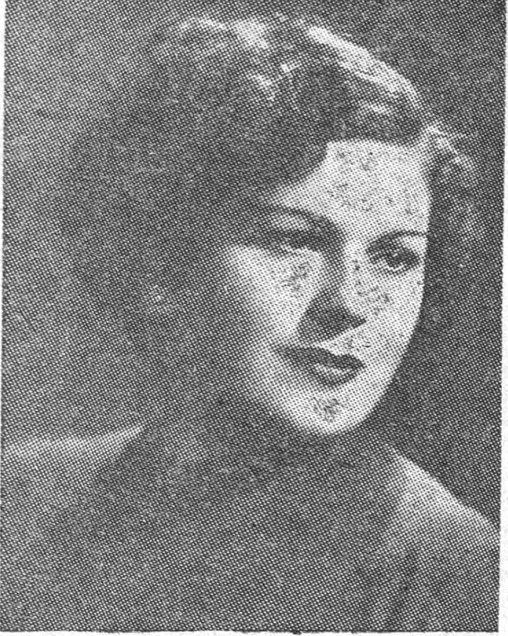
Wadia Khartabil: "Present circumstances compel woman to enter the field."