ing in the eye and nose. Signs such as these are a warning to call the doctor, who can shorten the duration of the cough with the newest fast-acting medicines, and can also limit the severity of the cough and the irritation that accompanies it, and ease the sick child's pain.
The mother can work to draw off the child's attention and to calm his agitation as far as she is able. The more the child forgets the cough and the painful spasms he dreads with it, the fewer the fits that attack him. In fits of coughing and vomiting she should carry him gently; and if she sees that he has thrown up everything in his stomach, she should feed him again, especially if this happened directly after he ate. The doctor may call for the child to be placed in the hospital; and here the mother would do well to show cooperation and understanding with the doctor.
The cough lasts anywhere from a few days to three weeks, but its severity and its fits lessen after the first week. So remember that the child may remain this way for as long as a year: whenever he feels a cold coming on, the whooping cough returns. When the fits grow lighter, the child feels active and improved — and this usually comes at the beginning of the dangerous stage of convalescence, since the weakened child may easily be struck by one of the secondary infections. In this stage the child must not be neglected; rather, he should be given sufficient time to rest in his bed, even if the doctor permits him to leave it. He should also be given food suited to him that will nourish his body, such as milk, soup, butter, lightly boiled eggs, cream, cereals, fresh fruit, and vegetables. The doctor may suggest fish oil or one of the vitamins as well.
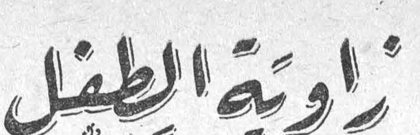
Nothing sets a mother's mind at rest more than her feeling that her child is in good health — and that because of her belief that her child's happiness depends on the soundness of his body.
The difficulty that most mothers meet when they first practice the art of motherhood may often be the result of their clinging to the rules of child-rearing to the letter. Let us suppose the doctor has said: "The child must go to sleep early," and this child has not slept — why then the anxiety and unease, madam?! Instead of keeping the child in his bed against his will and showing your anxiety because he is not asleep, bring him toys that do not use up much of his bodily strength, to play with alone in his room until drowsiness overcomes him and he sleeps. Is not the highest aim of all mothers the child's comfort and health? How, then, is a child to sleep in comfort if his mother forces him to sleep, threatening him and warning him, out of fear that his lack of sleep will weaken his health??
It has been established for the educators that the child is affected by his mother's "nerves," and that his mental unease affects his body. The child who feels that his mother is anxious on his account refuses to sleep or to eat for a psychological reason that he himself does not understand — but there must be in this a meaning that every conscious mother understands. Parents, then, must not let anxiety take possession of them, for its effect shows itself in the child's psyche, just as it affects his bodily growth.
In the last part of convalescence, when the traces of the cough have grown light, the child should play in the open air and the warmth of the sun, to regain his strength; but beware of his catching a chill or the contagion of a cold from someone sick, which would lead him into infections.
Prompt treatment and the newly devised medicines, together with special care over a period of weeks, can cure and save the child stricken with whooping cough.
And how much greater would the benefit be if we gave the child a vaccine against the disease before he is stricken! If mothers only knew that the trouble of three injections spares them the dangers, pains, and consequences of the cough, we could wipe out whooping cough entirely...
Translated from the "Ladies' Home Journal"