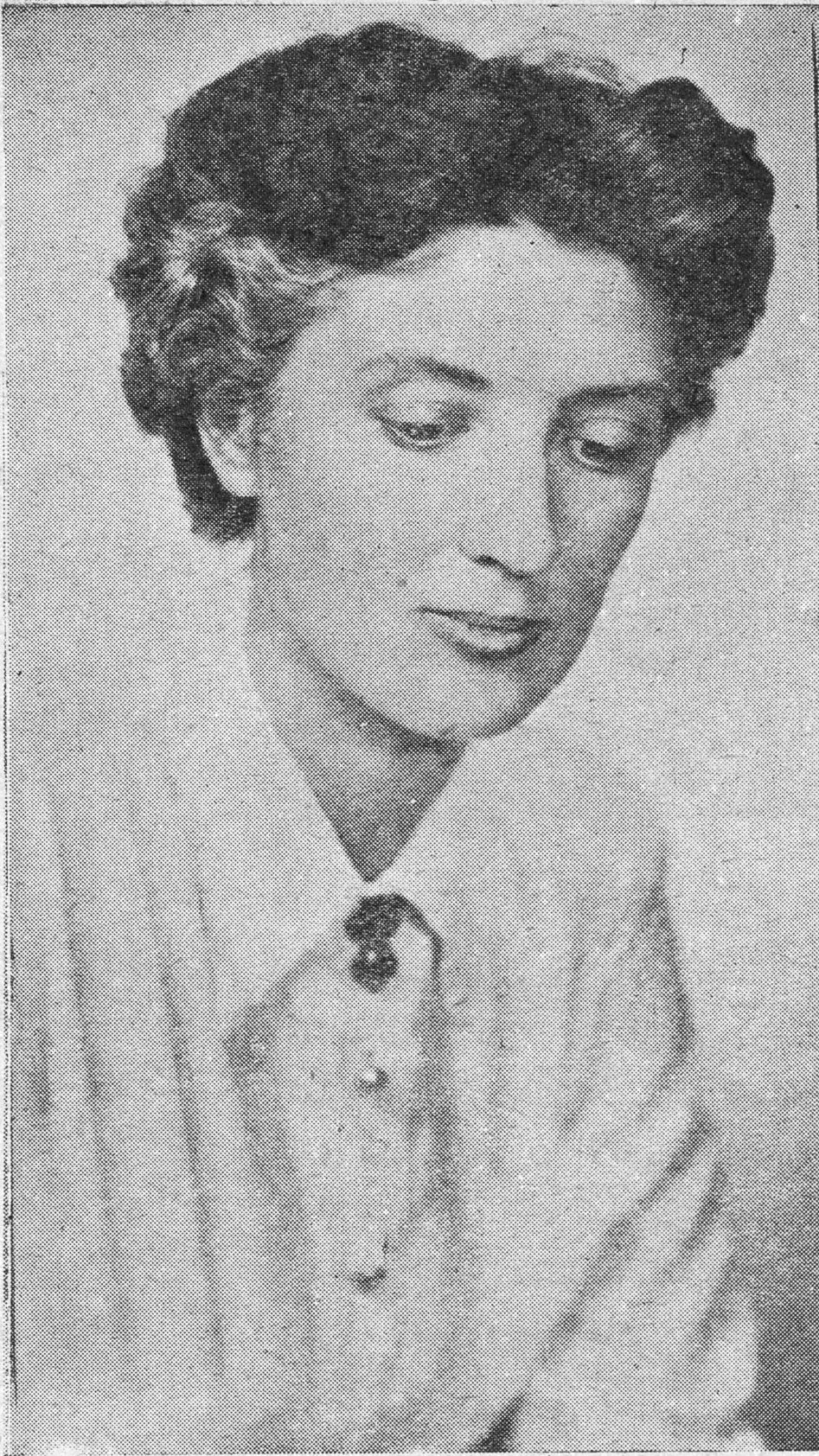
May Sarton
is narrow, the avenues of publication are not easy for the unlucky and the unknown, and his social position is nothing to be envied. She said: That is why, when I am asked about my work, I answer that I am a teacher; and if I declare that I am a poet and writer, I follow my declaration with an apology! She holds that all writers feel something of the kind even if they do not declare it, and she goes so far as to claim that the poet has no standing in America! Yet she believes this hardship may bear ease as its fruit, and that a literature wrapped in prosperity, never inoculated with adversity, is prone to decay: if it grows, it grows only to crawl, not to leap.
And the state of the woman poet is harder than the state of the poet; the material necessities that stand in the way of both are more within the man's reach than within the woman's. What is the woman writer to do to live? Teach? Here she herself teaches, and she finds that this occupation harms literary work
and blunts its edge; therefore she has resolved to leave teaching after a year and give herself wholly to writing. She said: If I must, I will work in a factory all the hours of the day, but never again will I go back to teaching or to similar "intellectual" employments! Add to this that marriage, which means more to a woman than it does to a man, is a more toilsome obstacle for the woman poet than for the man. For what woman — in this place and this time, when servants have all but added a fourth to the impossibilities — what woman is given the chance to write creative literature worthy of life, when she must attend to all the affairs of the house, and care for, say, two children by day and her husband by night?
And if May Sarton must face these problems because she is a poet, and a woman poet, there stands before her another problem as an individual: she cannot feel within herself that she is an American. She