
After a woman passes her thirtieth year, it becomes difficult for her to find a husband unless she introduces certain important modifications into herself, for she enters a stage at which the number of men suitable for her to marry gradually declines. Moreover, the traits and obstacles that stood between her and marriage in the past may at this stage become more evident and more firmly rooted in her. We can learn of some of these traits from the study carried out by a team of psychologists, who compared wives past thirty with spinsters who had passed that age. So if you are still single and wish to marry, you have only to study the differences set out here, and act upon them by introducing certain developments and modifications into your conduct and your personality.
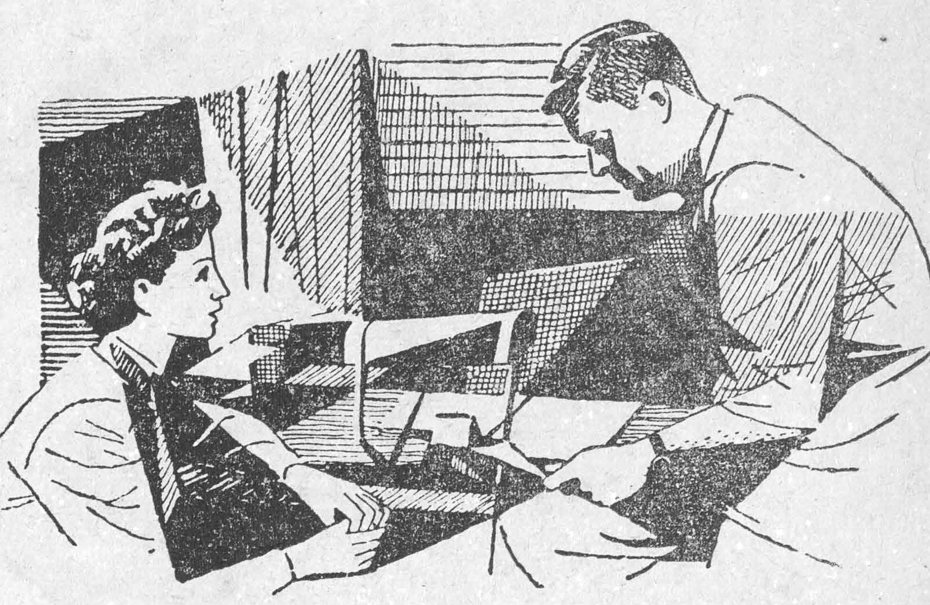
The married woman differs from the single woman in the following respects:
1 — Not feeling at ease in the company of men:
Some women try to conceal their agitation and the tension of their nerves, when they find themselves gathered with some young men, by continual laughter and rapid, unceasing talk; others may take an opposite course, shrinking into themselves in a secluded corner or a far-off nook... In both cases their behavior suggests everything but calm and command of the nerves...
Lack of mixing with the other sex, whether at work or at school, is the first fundamental factor in creating this phenomenon. To remedy this deficiency, try to mix with young men either younger than yourself or older, because you will treat these in an unconcerned manner that gradually leaves you unafraid of the company of men in general...
2 — Bashfulness, or fear of sex:
Some women feel not only embarrassment and shrinking in the presence of young men, but fear and dread of the very fact of being women. Some of them shrink and tremble at any bodily movement, such as the touching of hands, so that you see them forever frowning and rigid, joining in no conversation and volunteering no opinion. Such extreme, shrinking behavior suggests to the young man that the girl recoils from him and has no faith in him, and he
thereupon hangs back from pressing himself upon her or offering her his company.
3 — The policy of pursuit, or chasing, on their part:
As when she pursues him, for instance, with her "telephone calls," or proposes appointments and meetings to him, or fishes from him phrases of praise and compliment, and — worst of all — encourages him to go further with bold gestures of affection. Such conduct cheapens a woman in a man's eyes and lowers her worth — indeed, it frightens him away from her; and though she may in the end succeed in catching him, the outcome is rarely a happy one.
4 — Appearances of mannishness:
Many women can rid themselves of this trait, for femininity is the dominant, desirable quality in a woman. The short boyish haircut, the suit that resembles men's clothes, the rough hats — all these appearances suggest coarseness and imitation of men; so avoid them!
There is no room in this study to cover all the differences that distinguish the married woman from the single one; yet in these few points we have indicated the salient errors that can be avoided. If you make use of them, Madam, and then of the short questionnaire on page 29, that may help you to avoid most of your errors.