Cell began its working life by inviting a select group of the ladies of Beirut to a meeting it held at the Cell's club in Mazraa. At it, Ustad Abdullah al-Mashnouq, president of the Cell,
spoke, explaining its works and its aims in cooperating with woman; then after him Mrs. Emily Fares Ibrahim gave a speech on what woman must undertake, and Ustad Hasan Qublan closed the meeting by speaking on the religious law and woman. The mistress of ceremonies was Miss In'am al-Saghir.
• Last month the elections of members of the municipal councils took place in all parts of Lebanon without the Lebanese woman having any opinion or voice in them, because Legislative Decree No. 6, which gave the educated woman the full right to vote, had not yet completed its legal term so as to come into effect.
It appears that the highest authorities considered this legal measure unjust toward the Lebanese woman, and so there have lately circulated rumors from trustworthy sources to the effect that a republican decree will be issued appointing a few ladies to municipal seats.
As for the names repeated by the newspapers, they are: Miss Ibtihaj Kaddoura, and Mesdames Laure Tabet, Evelyne Bustros, Ellen Rihan, and Najla Saab.
• Last month there appeared, from
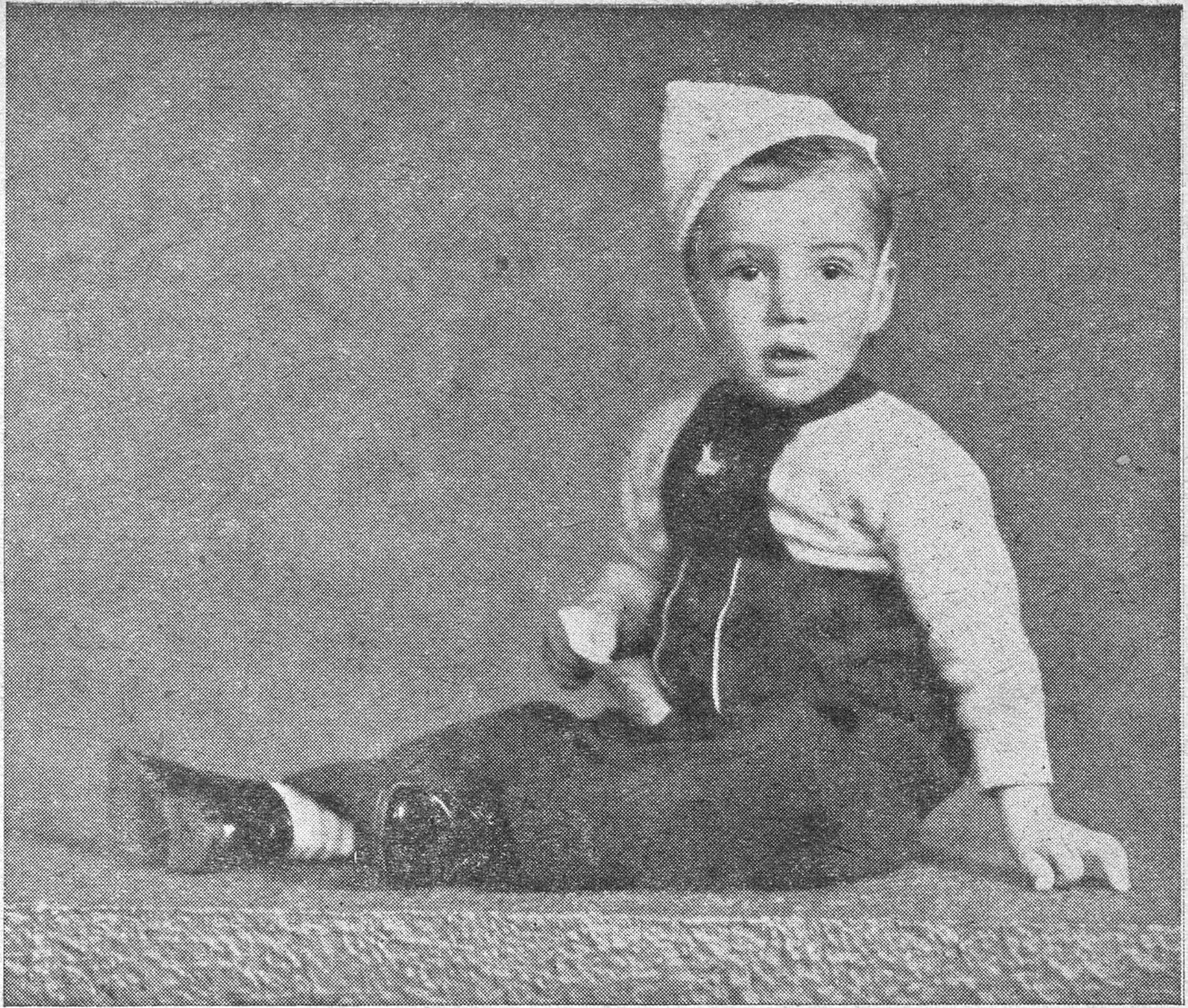
• At the start of the new year the child "Muhammad al-Bahiri" completed his second year, and on this occasion his father, Mr. Ghalib, and his wife held a delightful family party. May God preserve the beautiful child "Muhammad," the apple of his parents' eye.
Dar al-Ma'arif in Beirut, the book "Samir at the Grape Harvest," the fifth installment of the series "The Child's Library" by Mrs. Edvick Jureidini Shayboub.
In brief, the book "Samir at the Grape Harvest" is the tale of a day lived by little Samir in the grape vineyards of the mountain, where he learns of the many benefits of grapes, and of the pleasures, surprises, and happy experiences that accompany harvest time.
The book is adorned with large colored pictures from the brush of the artist Salwa Salah Mishalani, and its language is a simplified classical Arabic suited to the level of children in the kindergarten years and the primary grades.
Mrs. Shayboub has begun work on writing the sixth installment, "Layla and the Policeman," and her series "The Child's Library" is meeting with great success among children, since its material is drawn from their own environment and its language is close to their understanding and their tastes.
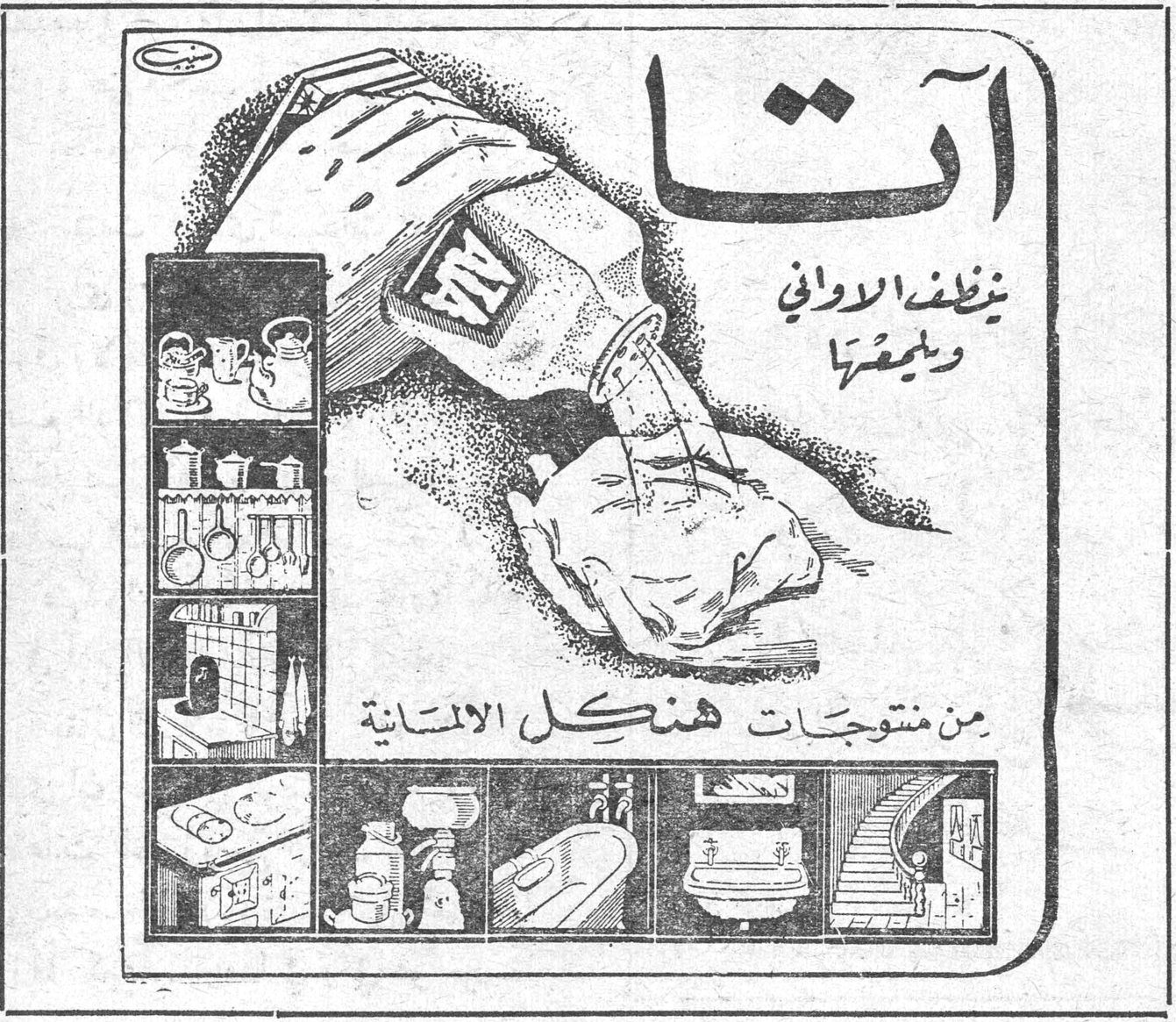
Ata Advertisement — Henkel
Ata
Cleans pots and pans and makes them shine
A product of Henkel of Germany