Who could be better suited than André Maurois to set forth the art of seduction, treating in it the fundamental principles and the delicate ascents?
•
Seduction has two meanings: that one thing should incline toward another, or fall upon it; and it is the ensnaring of a creature powerless to resist. In this second sense the seducer of the eighteenth century appeared as a reckless, dangerous
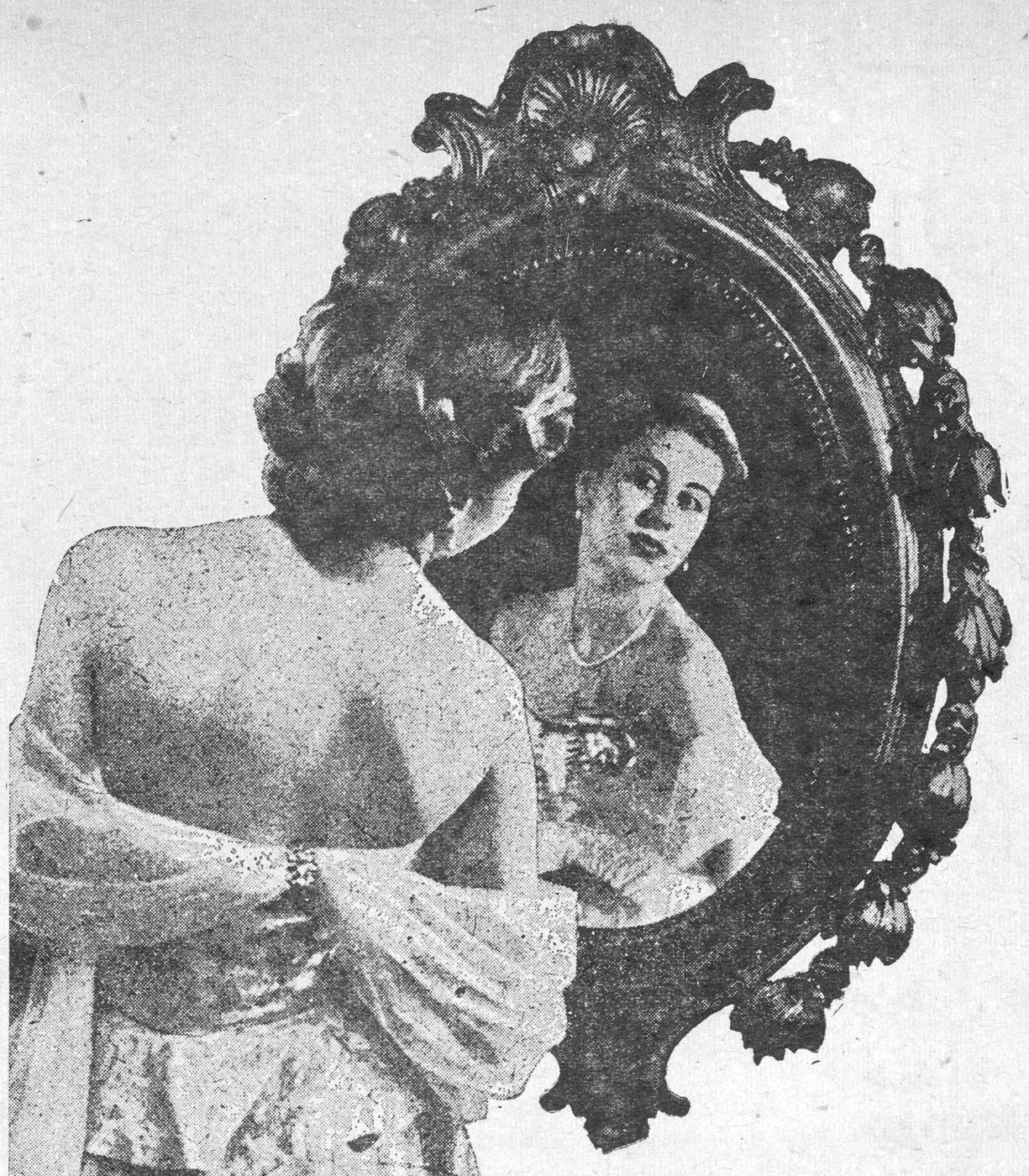
lover who toyed with innocent girls and trifled with pure ones — the likes of Casanova and Valmont. As for the twentieth century, now that woman has awakened until she has all but put an end to criminal beguilement, we whisper to one another in admiration of that attractive seducer who cuts his way from conquest to conquest, and of that bewitching seductress whom it is impossible to withstand. It may be a matter of pleasure and amusement to trace the principles of this art, whether in its heroes or in its heroines.
The Seducer
Power has captivated the crushing majority of tender hearts for ages upon ages. And power takes many shapes: the football player excels among sportsmen, the musician among musicians. So too every man who distinguishes himself in his profession has his generous share of attraction. The politician, the banker, the surgeon, the orator, the novelist, the journalist, the actor, and the tennis champion are all matchless charmers. But if we ask which of this company carries off the promised renown, the answer lies with the kind of women and the kind of age we have in mind.
For the day of wars, the conquering general, the commander-in-chief, and the record-breaking aviator stand at the top of the ladder. For the day of revolution and turmoil, the nationalist champion, the popular actor, and the tyrant are the lovers sought after. And for the day of peace and social stability, authority belongs to money, to lineage, and to polished society — to the poet, the painter, the author, at whose feet women fling themselves. Byron, Chateaubriand, Musset, Liszt, and Wagner were among the great