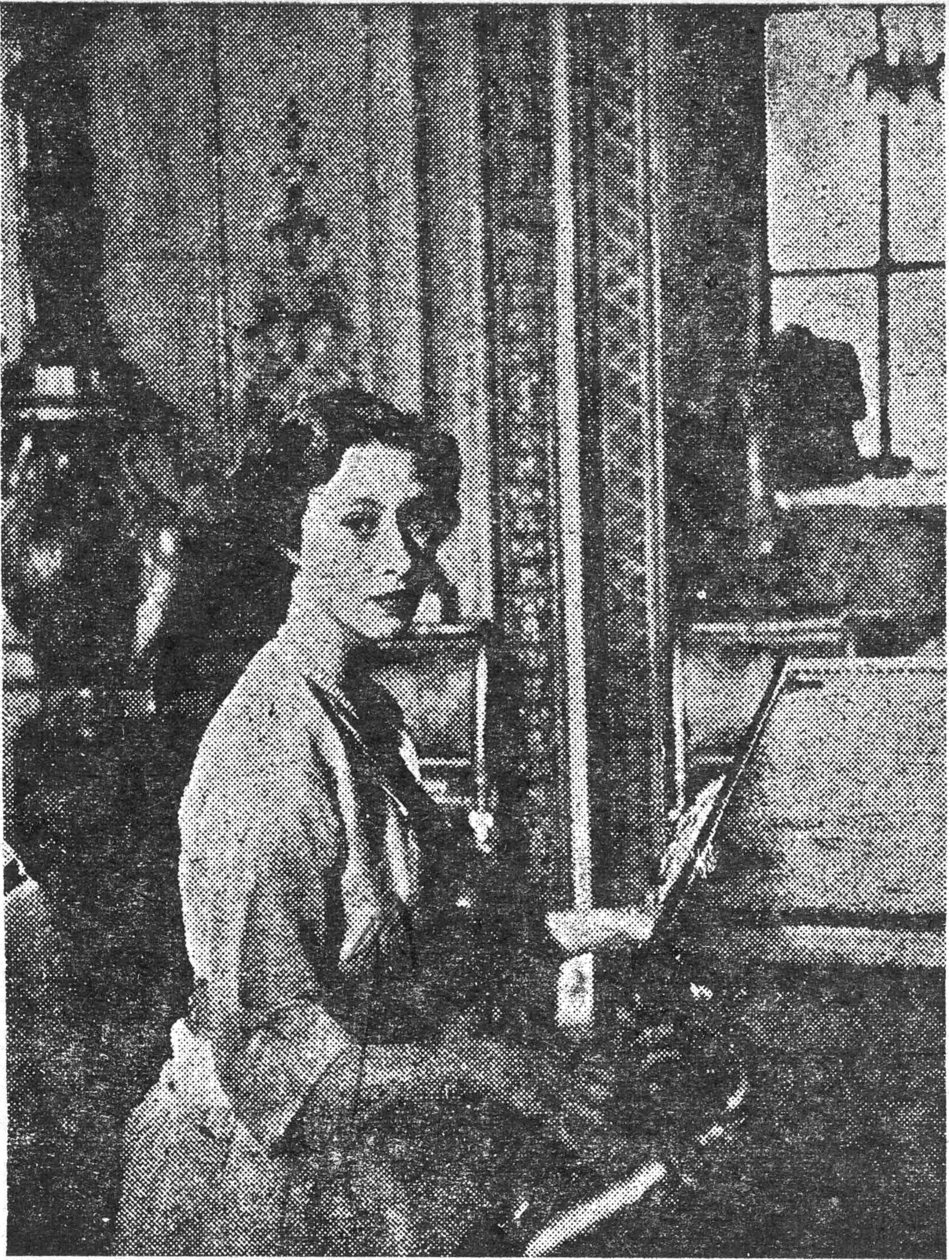
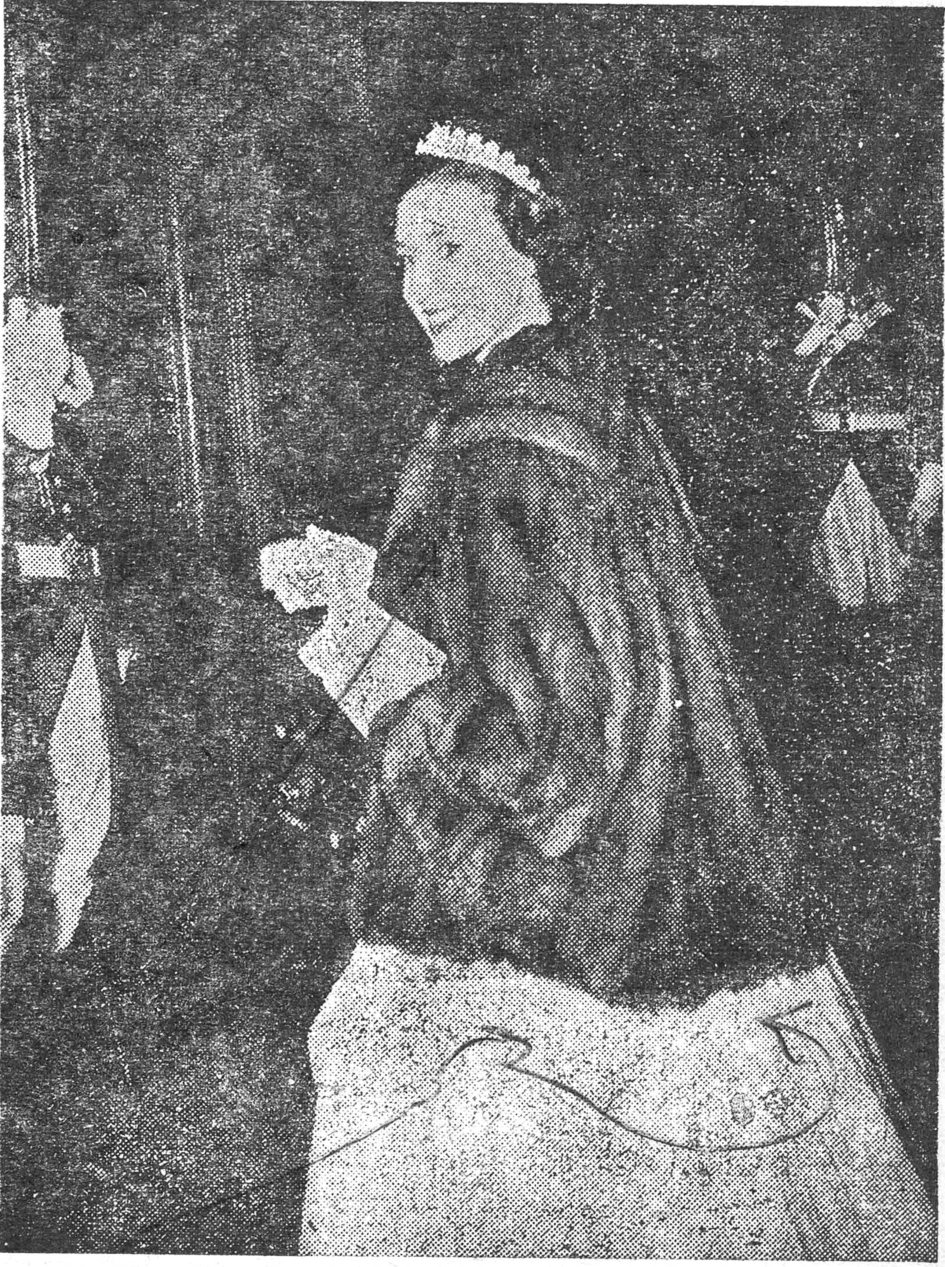
Ever since new responsibilities were laid upon the young princess's shoulders, she has turned toward a serious, modern course; yet despite the belief of some that her disposition has changed, she still gives every occasion what suits it. Princess Margaret is counted fortunate in her age, but she gets no rest from news reports and publicity; and the latest of these tales is what the public has buzzed about concerning her sweet hopes and her inclination to master the art of flying. But the fulfillment of this dream is not certain, for even princesses cannot fulfill all their wishes.
Ever since the fair princess grew up, this goal has been her guide; and what has made her pursue it with added enthusiasm of late, and drawn the notice of the royal court, is her brother-in-law's entry into the flying service.
The princess reaches her twenty-third year in August, and here too a question will be raised touching her future and her marriage. The truth is that there is no law providing for the imposition of any compulsory
authority upon her, for she, like any individual of the people, is free to remain single, though that idea contradicts her nature. The royal circles do not grant her complete freedom in choosing her life's partner, for her proposal must be laid before Parliament, which passed a law in 1701 providing for adherence to the Protestant faith: no member of the royal family may marry a person belonging to the Catholic faith without renouncing his own right, and that of his successors, to the royal succession. As for the royal marriage law passed in 1772, it says that the descendants of King George II born in England may not contract a marriage without consulting the supreme will, which gives its consent under the British royal seal; and any member may marry after reaching the age of twenty-five, provided the matter is laid before the Privy Council a year beforehand and receives the approval of both houses of Parliament. We do not believe that the Queen will place obstacles in the way of her sister's happiness, nor can a special law be made for her sake. But a deep change has come over the princess's spirit since the death of the King her father, so much so that she shows a hardness in her view of her future, and those around her imagine that she has given up marriage for the time being. This attachment to her father was not known even to those closest to her, and they marveled at the effect of this shock upon her spirits, even though she
had sensed beforehand that his end was