
"When Sami came along, his upbringing was neglected."
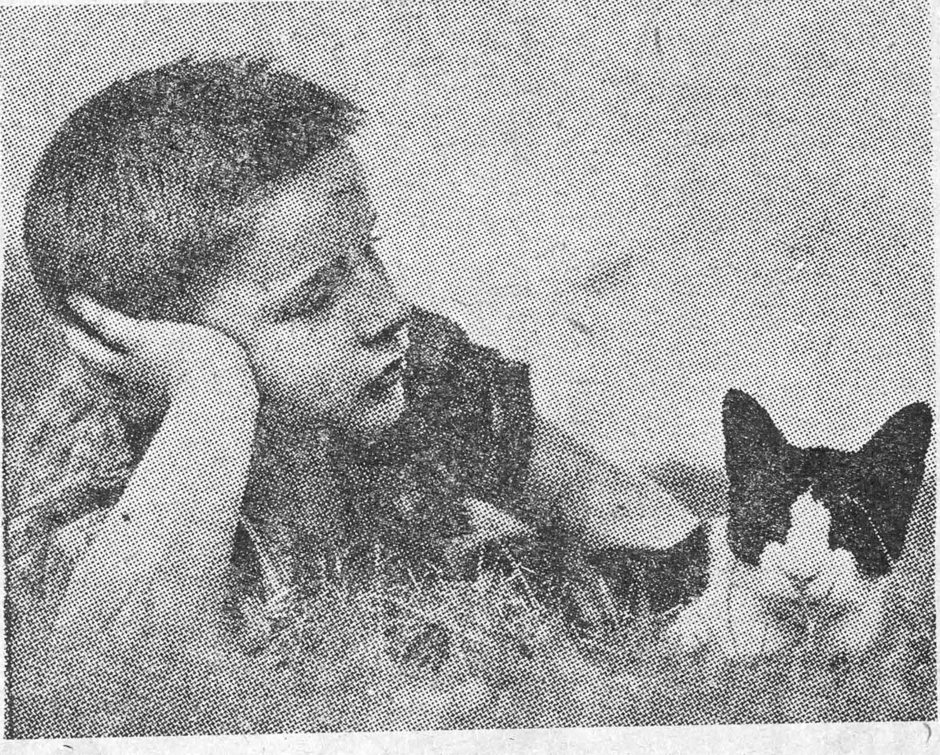
The mother was consulting me with concern about her eight-year-old son. He is the fourth, among grown brothers, in a family of moderate means, materially and intellectually. The mother went on: "He inclines to solitude, and plays for long stretches in the garden with his dog without ever thinking of running about with his companions. He is extremely sensitive—the slightest criticism upsets him—and he has no friends, whereas the house used to teem with children when his brothers were his age. I can hardly understand this boy."
The family in which the brothers were raised also
brought up Sami, but he feels a difference between himself and the other children. The fact is that parents change as the days advance with them, and this change may be for the better, as they relax and lighten their authority, and experience convinces them of their children's ability to solve their own problems. Experience has taught them that excessive care robs a child of the self-reliance he needs if he is to become an effective personality. Sometimes parents grant the "baby" of the family more time, helping him in his tasks and his lessons, and that is
why we see that the ablest artists were the youngest of their families.
But this change is not always toward improvement. Take Sami, for instance: his mother kept directing much of her attention to him, and left him no room for his personality to grow as his brothers' did. She thought of him as the last child in the house—and she worships childhood—for she had felt how quickly the children grow and forsake the home to amuse themselves with companions or to go to school; so she clung to him, to keep him a "child" as long as she could. Thus she defends him if he quarrels with the other children, and encourages him with her backing and by granting his every demand, until he grew used to never having a wish crossed or a desire refused. So dependency grew in him, which kept him away from his agemates and bound him to the house that protects him and carries out his wishes.
To these causes is traced the backwardness of the "baby" of the house and his inability to face the world outside his home. He remains a heavy burden on his brothers' shoulders after his parents' death, even if he acquires learning surpassing theirs. They find themselves forever responsible for extricating him from awkward situations, as their parents did before them, since he is always watching for this help.
My answer to Sami's mother's question about how to remedy this situation was: beware of excessive protection. It is a fine thing for the little one to have the love of his brothers and his parents—love and affection do no harm in any case—but you must remember that he will have to struggle for his own life in the future. So do not accustom him to relying on his brothers absolutely, and adopt the plan you followed in raising them: that is, let justice, not favoritism, be your rule in settling disputes, and turn his gaze toward following the example of his brother or his sister, to stir his longing and his enthusiasm. Do not put off any of this in the belief that he is still the pampered baby, for you will pay a heavy price in the end.
If a mother senses excessive pampering in her child's upbringing, she can change her course with him without his suffering for it. But does that mean she should love him less? On the contrary. Love him as you love his brothers—in a way that moves him toward progress, and clears the obstacles from his path.