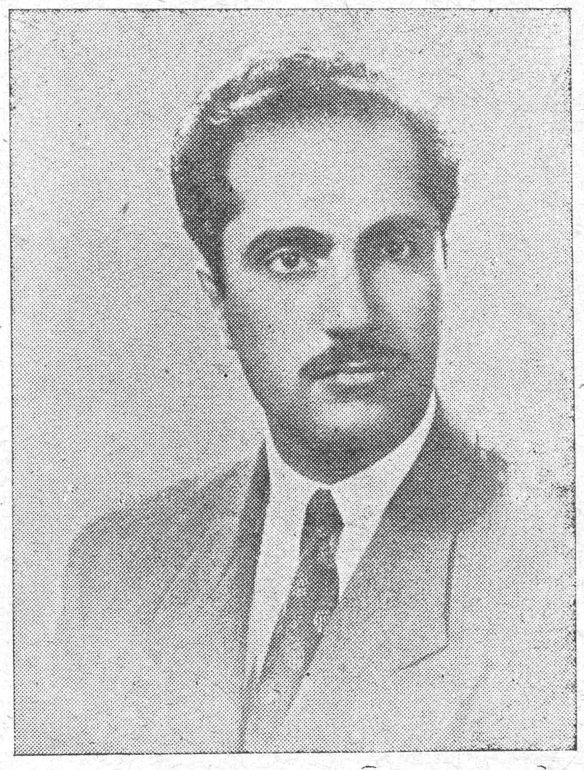
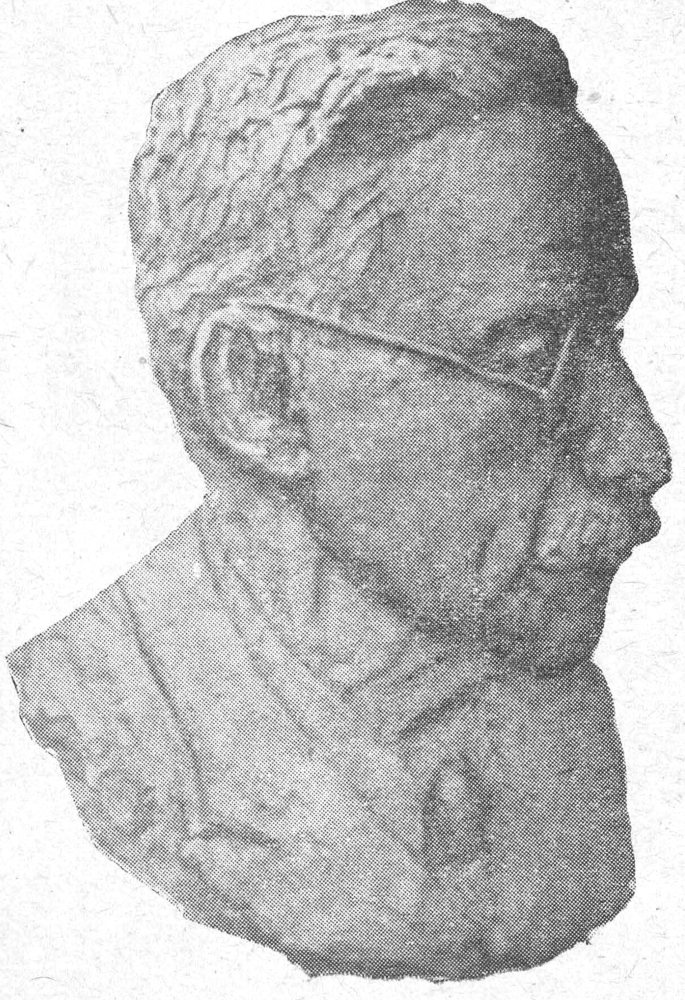
In the spring of 1937, as the artist Youssef Howayek was working in his atelier in Furn al-Shubbak, a boy at the window disturbed him, standing there a long while and peering in... He took him for a bothersome intruder, like most of the boys of that quarter, and picked up a stick to brandish at him, as he was in the habit of doing with the other boys... But the little one was not driven off by the flourish of the stick, and asked the master, with composure and with insistence, to be allowed to look at the statues from inside...
Howayek notices in the boy's face something other than what he was used to seeing in the faces of bothersome boys... so he opens the door, cheerful and welcoming, and leads him among the stone bodies and heads, introducing his statues himself, watching the gleam of wonder sparkle in the little one's eyes, and the ray of admiration rising over his dark face...
That boy of ours was none other than the artist Samih Attar!
He was in those days new to Beirut, having come to it from Tripoli in pursuit of art — the beloved of his childhood — and he found no spring at which to quench his thirst except the School of Arts and Crafts, and there he
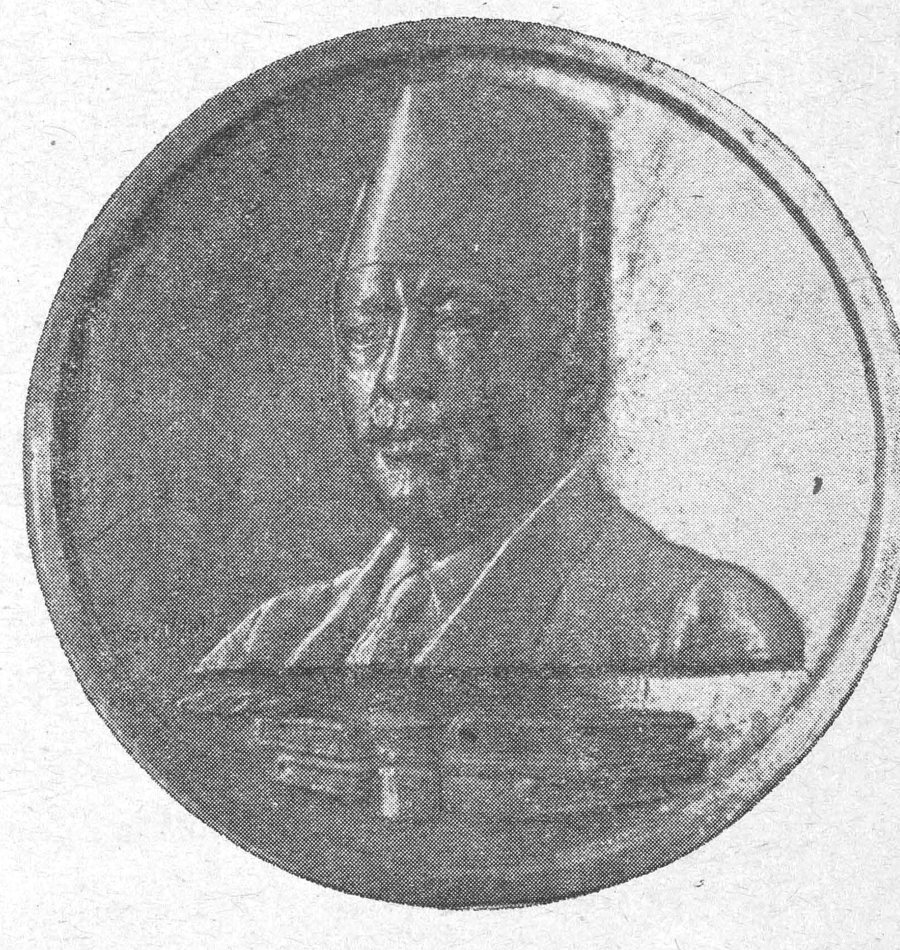
stayed four years, after which he graduated in sculpture and metal casting at the hands of Mr. Abd al-Wahhab Adada.
His intelligence catches the attention of those in charge at the School of Arts and Crafts, and they engage him as a teacher of metal casting and of copying from the model; but the artist still yearns to draw from the deep seas of art, and what was available to him in Beirut went no further than shallow streams, and could not satisfy his artistic pride, or slake his thirst, or sate his hunger...
And where but in “Rome” — the first homeland of art — lay the goal of his ambition and his hopes?
...To Rome he emigrated in 1949, sent by the Ministry of Education, and he set about moving among its institutes of art, drinking in the world's artistic heritage in great draughts, letting no moment pass without profiting from it... He enrolled first in the “Art Institute” to specialize in the casting of bronze statues — and he is today, in Lebanon, the only one able to cast statues in bronze. Then he entered the school of the “Medal,” and after it the sculpture institute of the Academy of Fine Arts, and from all
Attar to the School of Arts and