
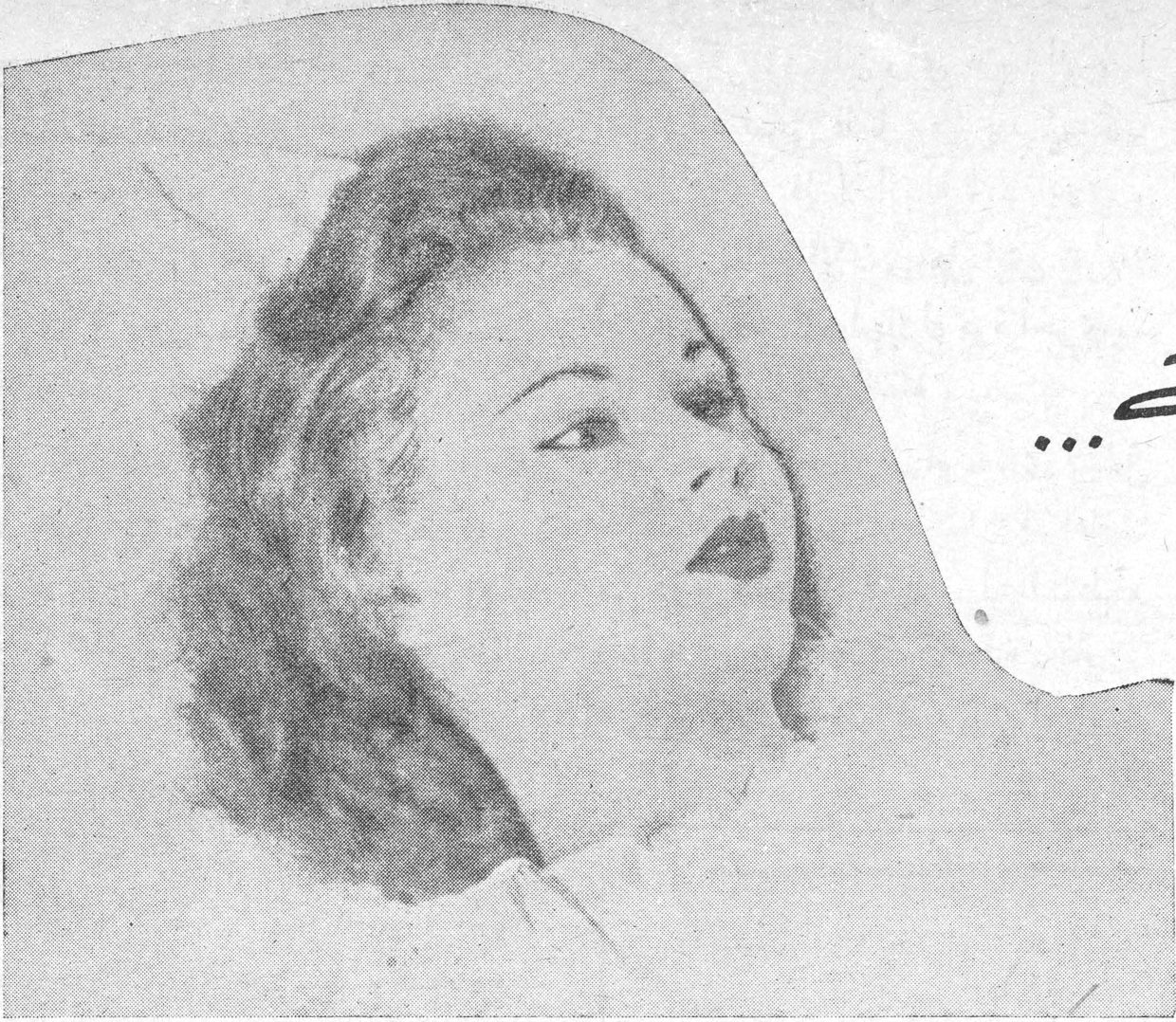
"It strikes me every year," thus Hayat began her talk with the doctor. "The dry cough, the cold, the irritation in the nose, then pain in the throat — and I am stricken five times a year." Hayat was in good health, full of energy and movement; she had no chronic illness nor any impairment in any working organ, but her nose was irritated and the back of her throat red. So the doctor asked her: "How long have you been suffering this?"
"For eight years. It began after we left our old dwelling, which was a playground for drafts and had no stove, and I thought the new house would relieve me of catching cold."
— "What kind of heating do you have now?" — "Coal, and there is an electric heater." — "Is there nothing to send moisture into the hot air? Do you open the windows often?" — "Sometimes, Doctor. The fan keeps the air moving so that it does not grow heavy with breath, and the window may be opened for short spells during the day!"
— "I think, Hayat, the story is at an end. Your health is good, and there is no cause for what you suffer except that you breathe dry air night and day. That is enough to dry out the nose and throat and lower their power to resist any passing germ. The point of inquiry has now become humidity.
The quantity of water in the air depends on the rise or fall of the temperature: cold air cannot carry the quantity of moisture that hot air holds; hence the moisture of the breath evaporates and the air absorbs it, since it is not saturated with water. So if the temperature of the air rises without its absorbing the necessary water — and even if the cold air was saturated, it will be no more than ten percent after the temperature rises — this makes it harmful to health."
Hayat went straightway to do as the doctor advised: she took to opening the window in the bedroom at night, washed her throat with salt and water, and used drops for her nose, and after a while her condition improved. Here are some medical observations for ladies like her:
First — Attention must be paid to the humidity of the place in which we live or sleep.
Second — Balance the temperature throughout the rooms of the house: do not raise it in one place
to a high degree, so that when we move out of it we feel a cold shiver stealing through our body.
Third — Keeping the bed warm at night is among the most important means of protection against colds, while still letting fresh air find its way into the rooms. These things are not hard for you, and by them you can avoid the cold, and spare your family the suffering of colds — especially in the seasons of transition from cold to heat, or the reverse!