The story of the pioneer, in every age and every land, is this: the story of resolve, challenged by hardships, which surmounts them to the summits.
The story of insight, overspread by darkness, which cleaves through it, by faith, to the places of light.
The story of love, torn at by hatred, which conquers it with an outpouring of love, forbearance, and tenderness.
It is enough for the pioneer that one of these virtues shine forth in his life, for him to breathe into his generation, and the generations that follow it, what benefits mankind and abides in the earth, and to cut for them through the rough country a road to plenty, or goodness, or strength, or truth.
And our precious departed showed them forth all together; and so her life was a wonder.
From Mukhtara, to Sidon, to Choueifat, to Shefa-Amr in Palestine, to Broummana, to Beirut
— in all these towns, whose names have their ring and their echo in our souls, our precious departed set up conclusive proof after conclusive proof: of a resolve that neither softens nor bends, in the pursuit of knowledge and truth, and in placing them within reach of the boys and girls who sought them; in wrestling with the disease in her body by the stored-up powers of the soul, and in helping the sick to wrestle with it, joining hands with people of good will; in breaking the fetters that shackle woman and man alike from becoming what their Lord intended them to be — a unity of two equal halves, fit to be the foundation and the emblem of a sound society.
She set up conclusive proof that her luminous insight pierced through the thick deposits of the past to what lay beyond half a century of the unknown future, and saw the vision of the Lebanese home, and the Arab home — "her first heaven," as she described it in her great first lecture, delivered forty-five years ago. Upon the throne of this home she seated the wife and mother, endowed with such means of education as made her fit to share in the building of the nation in the fullest and most honorable way. So when she brought out her magazine "The New Woman" in 1921, she made its motto: "The nation is the weaving of mothers." And no sooner had her insight seen this radiant vision than she set out toward the goal, calling others to her and working together in the "Women's League," or alone, if there was no help for it and no escape.
And for all that surged in her soul of longing for the future of the Eastern woman as her insight saw
it, splendid as the sun, and of resolve to smooth away every difficulty, her endeavor never sank to the sweeping revolution that uproots and smashes by violence; rather she passed beyond it, by the nature of goodness compounded in her, to what is higher and more availing — to the love that builds, slowly, but builds an edifice anchored against all time.
And it was of God's grace upon her that she lived until she saw with her own eyes, from her bed of sickness, the lines of that picture completing themselves little by little; and her rejoicing in it was the best theriac and balm for the pains that gnawed her.
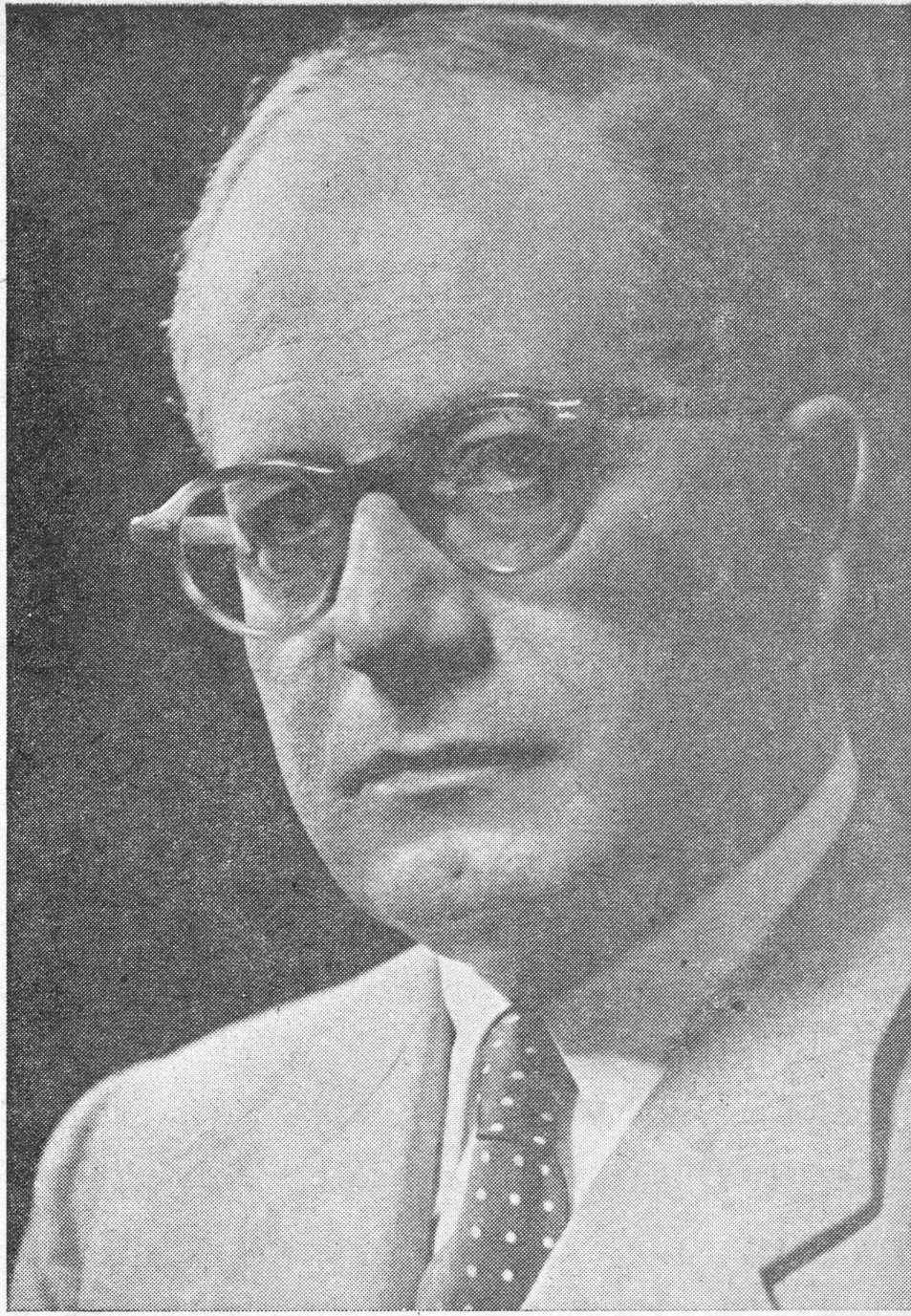
(*) The eloquent address with which he eulogized her in the Evangelical Church.
And despite those pains she remained, a full decade of years or more, down to her last hours on this earth, sending forth from her thin, luminous face, her tranquil soul, and her intelligent eyes, the signs of her love, her encouragement and her urging, and the
distillation of her experience, to all who came and all who were far away of the strivers, men and women, for