From real experience
Among the halves and quarters... or the three-quarter heads that showed themselves to me from the belly of the electric bus — as I surveyed from the sidewalk that living nightmare, crammed to choking as it discharged itself, and my turn came to board — I made out something familiar in one of the faces; and to my surprise the face's owner returned my recognition and greeted me first, the moment she touched the ground, hurrying toward me for fear of losing me, while I was still slow to believe my own eyes: that "Hiyam" should appear before me in that cold late afternoon and address me, earnest and brief:
"I was just now on my way to your house. I have business with you."
I said:
"Then let us walk. What news do you bring?"
This was our first meeting in three years — since the day Hiyam deserted her husband and her child, who lived in the apartment facing our house, after a long and violent quarrel; afterward she vanished from sight, and it was said she was working in the asylum for the feeble-minded.
She said:
"Longing for my son has settled upon my heart, and I have come to console myself with one look at him. I must have a companion on this errand, so come with me to the school."
It was Christmas Eve, and Fouad
was then a year old. So we set about cutting our way, Hiyam and I, through the crowds, the gifts heaped high on parents' arms; and I shrank from letting my words strike against the wreckage of her tormented heart, so I forbore to ask her about a gift for Fouad. The traffic choked; the roaring of the cars rose; it was impossible for us to take one, so fierce was the scramble and so short the hours — until it seemed the very day of the
"enrolling of all the world," as it stands in the sacred story.
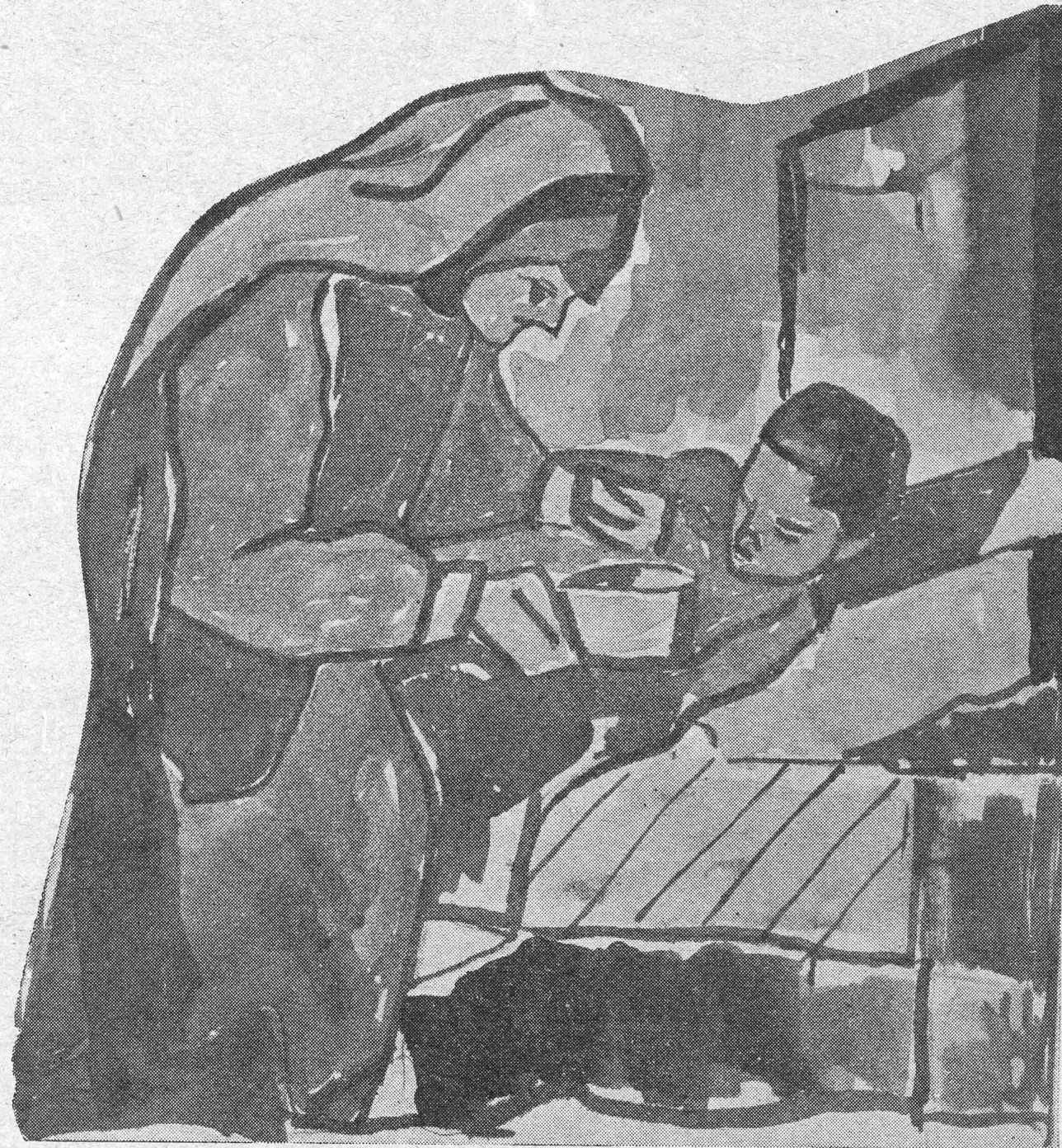
At the school we were told that Fouad was suffering from pneumonia — that pernicious scourge which struck so many children that winter — and had been moved to the hospital some days before. The mother received the shattering news with meekness and resignation. But I felt that her thwarted errand had laid the danger bare,