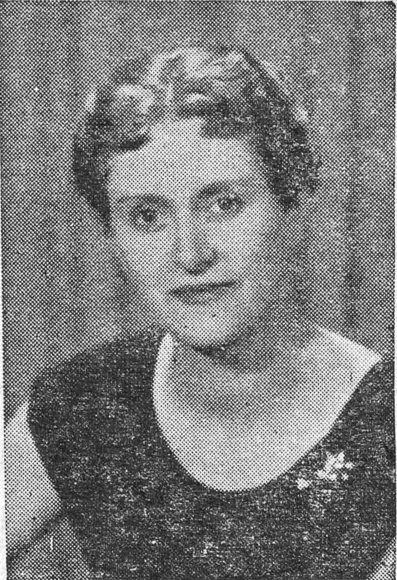
Mrs. Evelyn Hitti Kanaan
requirements in their buildings and their programs — that care nothing for physical exercise and do not watch over their students' habits, checking their ailments in the cradle? Or an elegant city, or a beautiful countryside, over whose health no organized, conscious body keeps watch?
If the need for a general knowledge of nursing and "first aid" is among the requisites of the housewife, the teacher, the air hostess, the social worker, the scout leader... then how far must the need reach for the expert specialist, who matches the doctor in capability and undertakes to carry out his directions with knowledge and discernment?! And then — can it be right that hospitals should have unlicensed nurses taking the reins of patients' lives in the doctor's absence?!
We say: it is poverty... and leave it at that. But is there in our society, and in the images, opinions, and ideas it enfolds, anything to draw the rising generation of girls and make them love to take
up nursing as an honorable, free profession? The white houris stir in their chairs, the fragrance of good soap and disinfectant spirits wafts up anew, and they bring us the shining truth from Europe and America, telling us what they touched and witnessed there.
Western society looks upon this profession with the highest degrees of esteem, counting it a lofty national service, and works to encourage it by every method of publicity, in name and in deed. So do not wonder to read a placard in the train, for instance, entitling the nurse to travel at half the fare of the other passengers; or a notice in a club welcoming her at a substantial reduction! And further still: the profession has organized for itself, with the help and guidance of its government, a "syndicate" that watches over its apparatus in the body of the nation as a whole; it defends its rights and imposes its rules on all hospitals without exception, whether as to wages or as to hours of work, thereby securing it time enough to recover its strength and refresh its spirit.
And let it not slip our minds that the nurse reconciles two divergent social conditions. She is the one who has sworn the oath of aid to every needy person at every hour. And she is also the natural creature, the complete human being, who has the right to attend to herself like any other woman. She is no nun and no ascetic, no soldier, and no attendant upon humanity's slaughters emptied of all personal feeling.
So if one day you hear the "saxophone" playing from afar, and the fall of dancers' feet to its tunes — remember that among those feet may be the two feet of an "angel of mercy," treading the earth, as they are accustomed, without noise and without a sound...
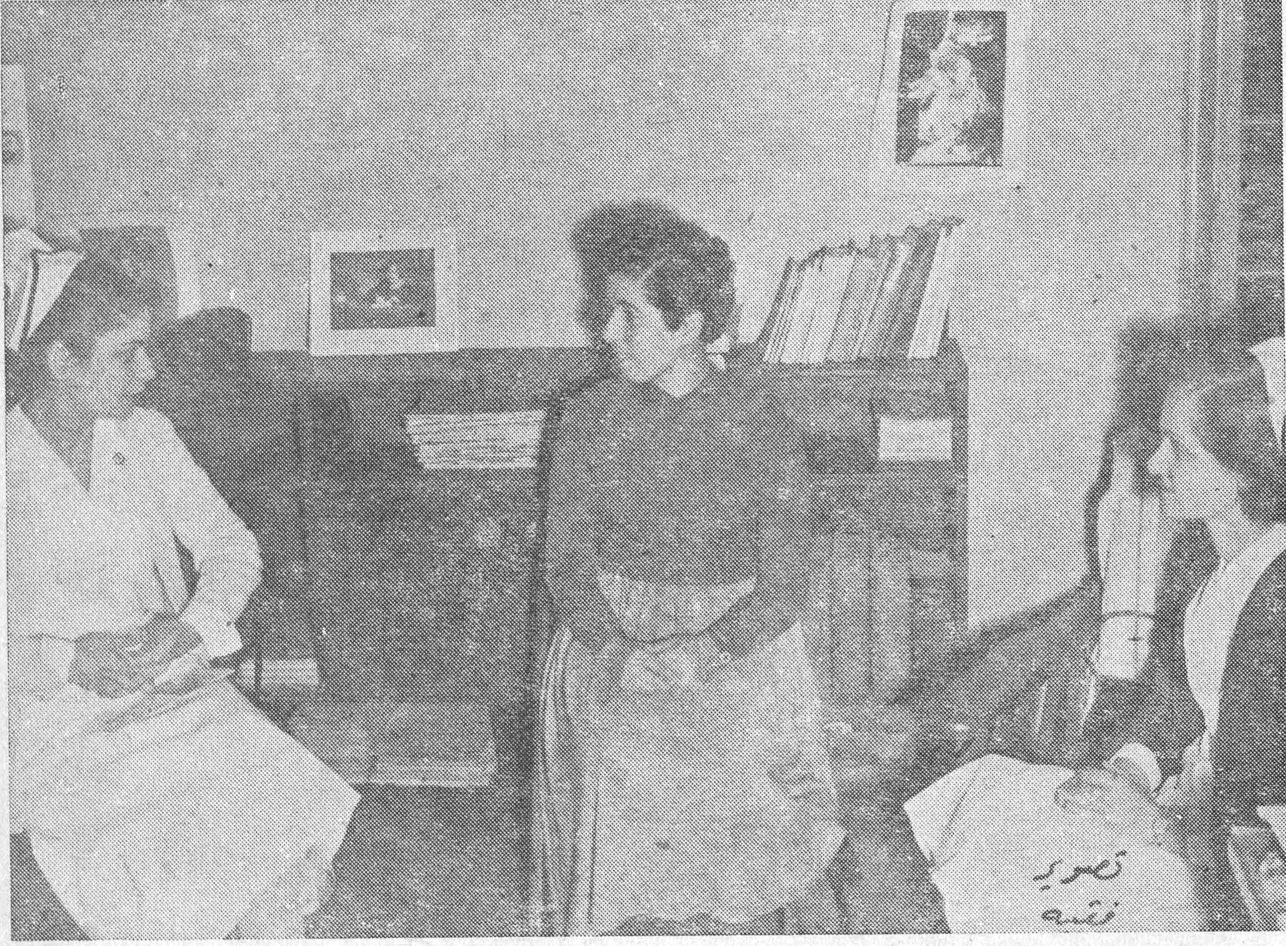
The nurse and the doctor hold the patient's complete trust