
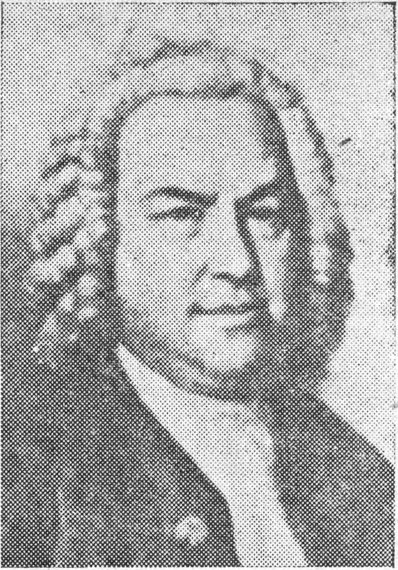
A calling is sometimes known by the name of its master: "Bach" is a German word meaning brook, and it is also the name of a line of musicians who excelled for
two centuries.
In some of the German lands that knew these men, the word "Bach" came to mean music; but when we say "Bach" we mean Johann Sebastian Bach, the very pattern of genius and artistic brilliance!
Beethoven said of him: "This is not a brook, but a sea."
And after him Schumann repeated: "Music is indebted to Bach as Christianity is indebted to Christ." He filled the artist Mozart with gaiety, and Wagner's breast with appreciation and respect.
Bach died in body on the twenty-eighth of July, 1750, but to this day he is the master of music, presiding over its course. They called him the father of artistic harmony; we know him as the father of music, the creator of melodies from the merriest to the profoundest and the saddest. In his art he is a creator of undying greatness, many-hued in his strains; there is no limit to the variety of his music, and despite its distinctive stamp, everyone who understands him and hears him feels that spiritual bond which ties all men to him.
He performed his melodies in the temples and before kings and princes, and from his tenderest years until his death he worked in earnest and toiled to gain a little material sufficiency and some measure of fame. He passed his sixty-five years in and around Eisenach, the seat of his birth, in a countryside that had known Martin Luther and that later became the setting of the opera Wagner composed.
Bach lived a simple, devout life, and his art — which has become the
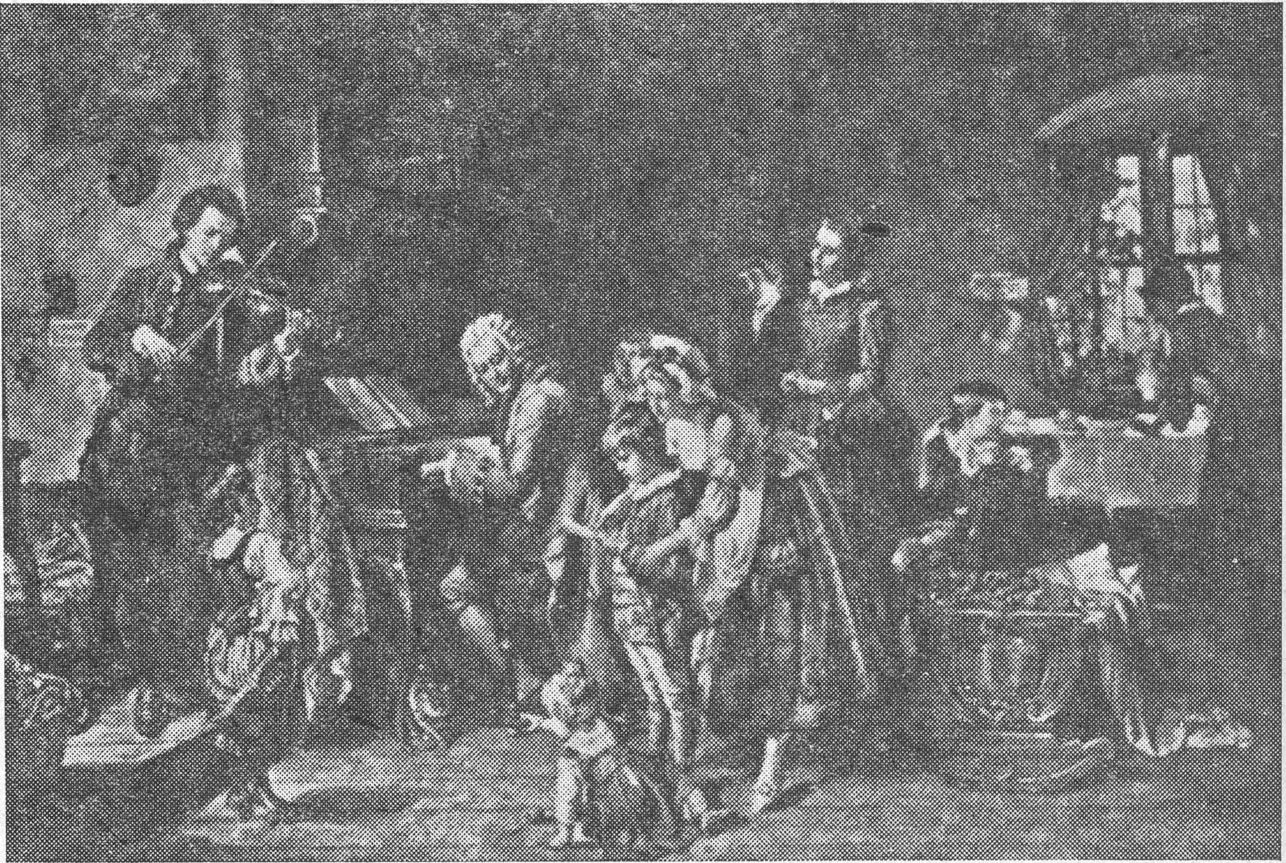
wellspring of the music of our own day — was his means of livelihood and of winning bread for his large family: by two wives he fathered twenty children, ten of whom died in childhood. He joined a husband's faithfulness to a father's devotion and sacrifice.
He was flung into the struggle of life while still small, after the death of his parents. His brother took him in when he was ten years old, and took upon himself his musical education, while forbidding him to taste the works of the famous composers, knowing them to be above his level. But little Bach would steal past his brother and copy them out under the light of the moon, and he kept this up for six months. It is a story, and a witness to the artist's power of absorbing work, and to the curiosity and effort that became the foundation of his genius.
He went on copying the music of composers of every land and generation, drinking in these schools and fusing them in his own crucible, then drawing out of them a kind of art marvelous in its novelty and invention.
His vocal gift fitted him to serve the musical training of a religious school; then, when his voice weakened, he made up for it by playing