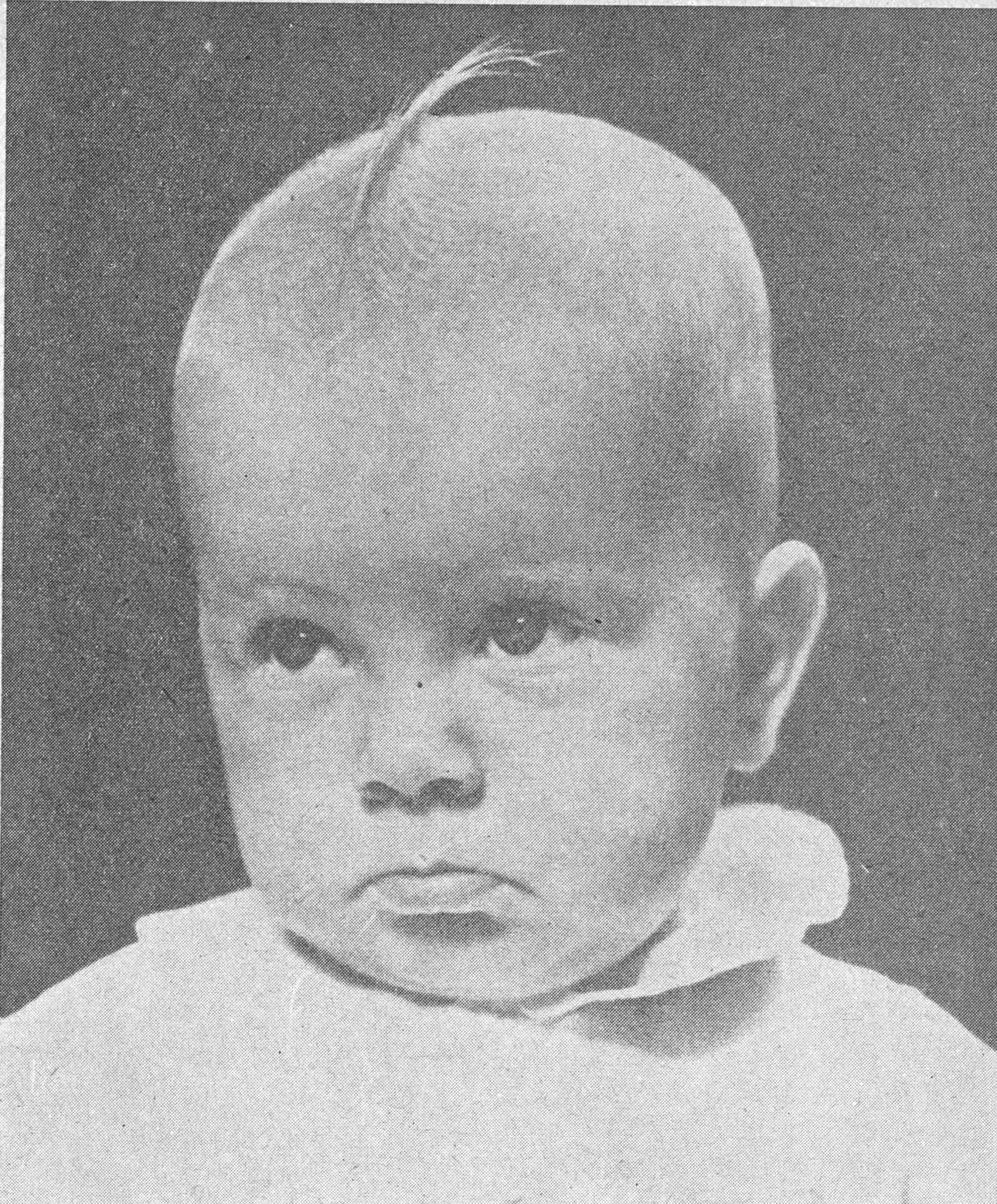
Don't let him fix on you a look of rancor!...
The soul of man, be he grown or small, stands in urgent need of praise and appreciation, no less than his need of food and nourishment. For the danger of bodily hunger is no sharper in its effect than the soul's famine for whatever kindles the flame of enthusiasm and ambition, whether appreciation or praise.
There is no doubt that the stage of childhood is the most important stage of human life. It
is the foundation of his mental, emotional, and bodily soundness in the future. It therefore deserves to claim from us the special attention, and the care, that it merits.
The value of the work the child does is measured in general, to some extent, in proportion to people's appreciation of that work — the appreciation which gives the doer confidence in himself and faith in success, so that he continues
his labors and his striving with steady progress.
Praise and appreciation, then, are two factors necessary for the building of the child's personality, because they give him self-confidence, psychological reassurance, and inner stability. So he faces life, with its problems and its tangles, in a spirit of confidence — of overcoming and of victory — and the feeling of failure, of flight, and of retreat no longer haunts him. This is what the psychologist 'Pearson' affirmed in his book 'Mental Health.'
The affection the child meets in his surroundings, through attention and care, helps him to mingle with people, increases his social capacity, and rids him of selfishness and of the marks of withdrawal...
Modern science has proved that there is a natural inclination, and a psychic pleasure, in the child toward those circles that bring him commendation and shower him with praise, where he is received with respect and esteem. And if we analyze the nature of praise, we find it of three kinds:
1 — General praise: the appreciation of the child's conduct absolutely and comprehensively, as when we say 'Good!' 'Well done, Zuhair!' — or offer a smile of satisfaction.
2 — Particular praise: the appreciation of a definite piece of work, or praise for a specific occurrence, as when we say: 'Fine — you put on your clothes by yourself,' 'How beautiful the arrangement of these flowers is.' This kind is the more effective in the child's soul, because it attaches to a clear, evident thing or act.
3 — Praise of manner: which addresses the way in which some piece of work is accomplished, and the form in which a given occurrence is carried out — such as promptness in going to school, or orderliness in taking one's food.
For a past stretch of time there prevailed a false belief which led