On the night of Saturday to Sunday, December 18, 1955, the Abu Ali River in Tripoli rose in flood, causing grievous losses in lives and property, and clothing al-Fayha and the North in the garb of mourning for the innocent victims; Lebanon and the Arab world stood aghast at the painful calamity that had struck a beloved part of the country. The gallantry of the Lebanese, government and people, and of the Arab countries, kings and presidents, rose to meet the bitter affliction: committees and bodies, official and civic, were formed to gather donations and assistance for the stricken; and Their Majesties and Excellencies the Arab kings and presidents, and the directors of private and public institutions in the Arab and foreign countries, telegraphed the Lebanese government, offering condolences on the calamity and contributing generously toward the relief of the families of the victims and of those who suffered losses in this painful event.
Reports from al-Fayha state that the number of victims reached 118 dead, and that a great number are missing. As for the material damage, it is estimated in the millions.
The magazine The Woman's Voice, pained by this affliction that has befallen the struggling capital of the North, expresses its deep sorrow to the families of the victims and of those who suffered losses, and asks the Almighty to spare her every woe and calamity.
• The Society for Combating Prostitution in Lebanon held a well-attended gathering in West Hall at the American University of Beirut on the first of January, and listeners flocked to it despite the raging storms and rains of that night. The proceedings were opened by the president
of the society, Mr. Mohammad Jamil Beyhum, with a precious address in which he set forth the development of prostitution during the last century in both Syria and Lebanon — especially licensed prostitution — and what the societies had prepared for combating it in general; at the close of his address he reviewed the founding of the society, its aims, and its works.
Then Dr. Salim Haidar took the floor as lecturer, and covered the subject from its historical, sanitary, and moral sides. Both lecturers acquitted themselves admirably, so much so that the listeners were enabled to enjoy two fresh treatments of a subject rarely spoken of, and they showed every satisfaction.
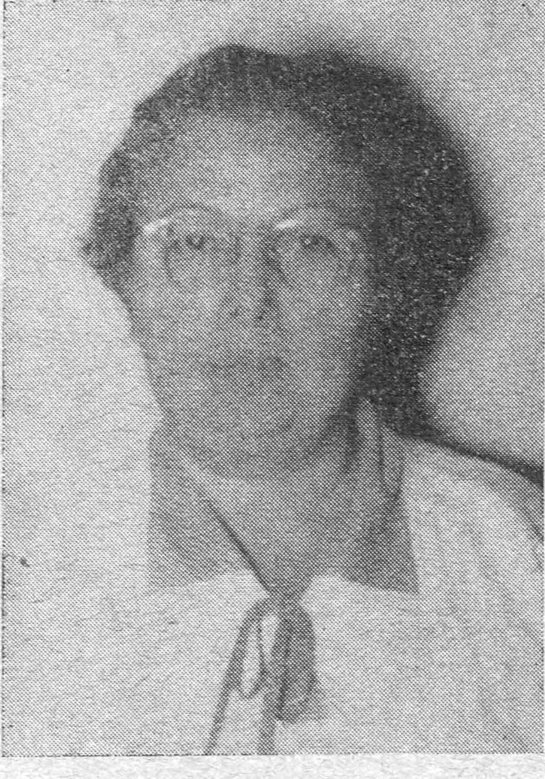
Mrs. Asia Wahba, president of the Iraqi Women's Union, gave a dinner party at her flourishing home, to which she invited a distinguished company of the ladies and young ladies of Iraq — members of the Iraqi Women's Union and presidents of the societies — to make the acquaintance of Mrs. Nazik Sarkis, secretary of the General Arab Women's Union, on the occasion of her presence in Baghdad. The party was splendid and the evening delightful, thanks to the geniality and graciousness which the hostess showered upon it; conversation was exchanged on the renaissance of woman and the
noble works she is performing in social, cultural, and charitable service, all of which testified to the activity of the Iraqi woman and her swift advance in the field of progress. Mrs. Asia Wahba is well known for her energy, her zeal, and her eagerness for every work that raises the standing of woman and strengthens her union, ever striving to fasten the bonds of friendship with her sisters, the ladies of all the Arab countries.
•
The home of His Excellency Kazem al-Khalil, Minister of Posts, Telegraphs, and Social Affairs, was filled on the evening of Friday, December 9, with a party given by his wife in honor of the wife of Mr. Morse, Director-General of the International Labour Office, to which she invited the presidents of the societies and the women workers in the social field, so as to acquaint the guest of honor with some of the social, cultural, and humanitarian projects the Lebanese woman is carrying out. The party was perfection itself in arrangement and refined taste.
Mrs. Morse was accompanied to this party of introduction by Mrs. Kassouf, wife of the director of the International Labour Office in Turkey; and it was observed that she is the first woman in whom a feminine personality has shown, in her official capacity — I mean Mrs. al-Khalil — her concern with a public cause.
Mrs. Morse was astonished at what she heard of woman's activity in the various fields, in no way inferior to that of the most advanced countries of the world. Desiring to broaden her information, she visited some of the centers of this work, among them the Village Welfare Society, and expressed her highest appreciation of this positive, constructive project, which raises the working hands from dependence to material independence, and labors to revive national industry.