
Composed by: Richard Wagner (1813–1883)
Rendered into Arabic by: Samir Shikhani
An opera in three acts, first produced in Dresden in 1845.
The characters:
• Count Hermann: a nobleman of Thuringia • Elisabeth: his brother's daughter • Tannhäuser • Wolfram • Biterolf wandering minstrels • Venus, goddess of love • A shepherd
The Three Graces, nymphs, water nymphs, gods of the waters and the forests, priestesses of the god Bacchus, nobles, knights, ladies, pilgrims.
Time: the early thirteenth century.
Place: in the castle of Wartburg and near it, in the province of Thuringia, Germany.
Act One
Scene One: a cave in the mountain.
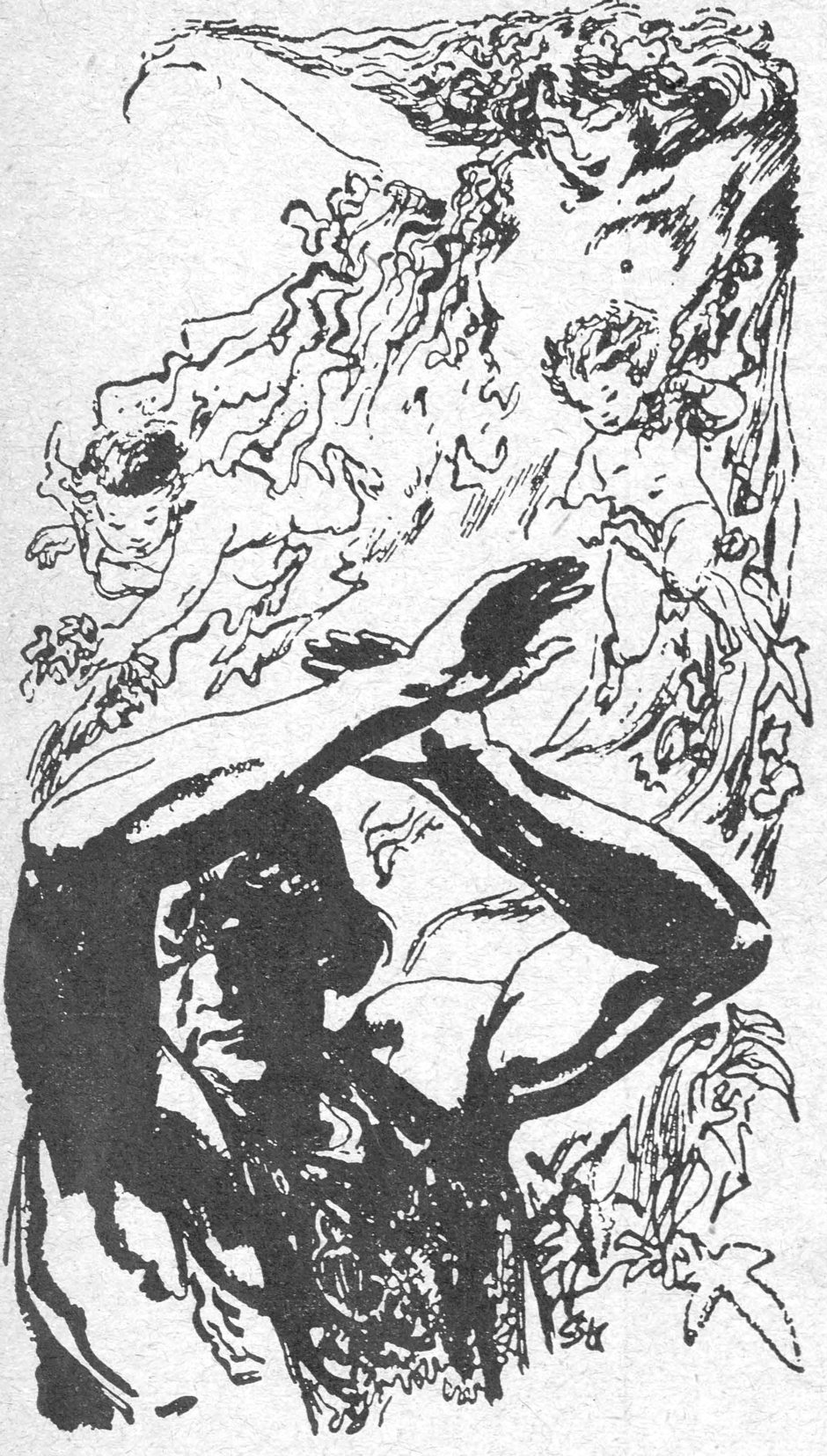
We are in a deep cave in the mountain known as the Venusberg, where Venus, the goddess of pagan love, presides over her court, surrounded by water nymphs, priestesses of the god Bacchus, and gods of the waters and forests. The cave is lit by faint, many-colored lights and wrapped in a thin, rose-tinted mist. Venus reclines upon a soft couch, and at her feet sits Tannhäuser. The nymphs perform a dance that grows wilder and more clamorous little by little, then breaks off briefly, and from afar is heard a chorus of nymphs singing a love song marked by a quiet sensuality, in contrast with the frenzied, exciting dance. The dance resumes, mounts to a violent climax, then dies away. The dancers sink to the ground to rest, mist fills the cave, and nothing can be seen in the foreground but Venus, Tannhäuser, and the Three Graces. Soon these Graces dance languidly, and at the back of the cave appears a vision representing two legends: Europa and the white bull, and Leda and the goose.
The Graces vanish, leaving Venus and Tannhäuser alone. The latter trembles; Venus caresses him and asks what troubles him. He answers that he dreams of his life on this earth, of the pealing of bells, of the nightingale's warbling. She hands him his lute and asks him to sing the delights of love; he complies and sings, with warmth and feeling, the
'Hymn to Venus.'
Once again the voices of the nymphs are heard, echoing gently from afar.
Tannhäuser repeats his praise of Venus, but insists that he has fallen prey to weariness and boredom and must be given his freedom. A year of excess in pleasures has sated his appetite, and he longs for human life with its griefs and joys. Venus implores him to stay, then menaces and threatens him; he answers that his faith rests in the Blessed Virgin — and no sooner does he utter the Virgin's name than the pagan spell of Venus shatters upon the instant, the magic cave with its perfumed air vanishes, and Tannhäuser finds himself, without having taken a single step, standing in a mountain valley near the castle of Wartburg.
Scene Two: a mountain valley.
It is a bright spring morning, and sunlight floods the valley. On the crest of one of the hills at the