
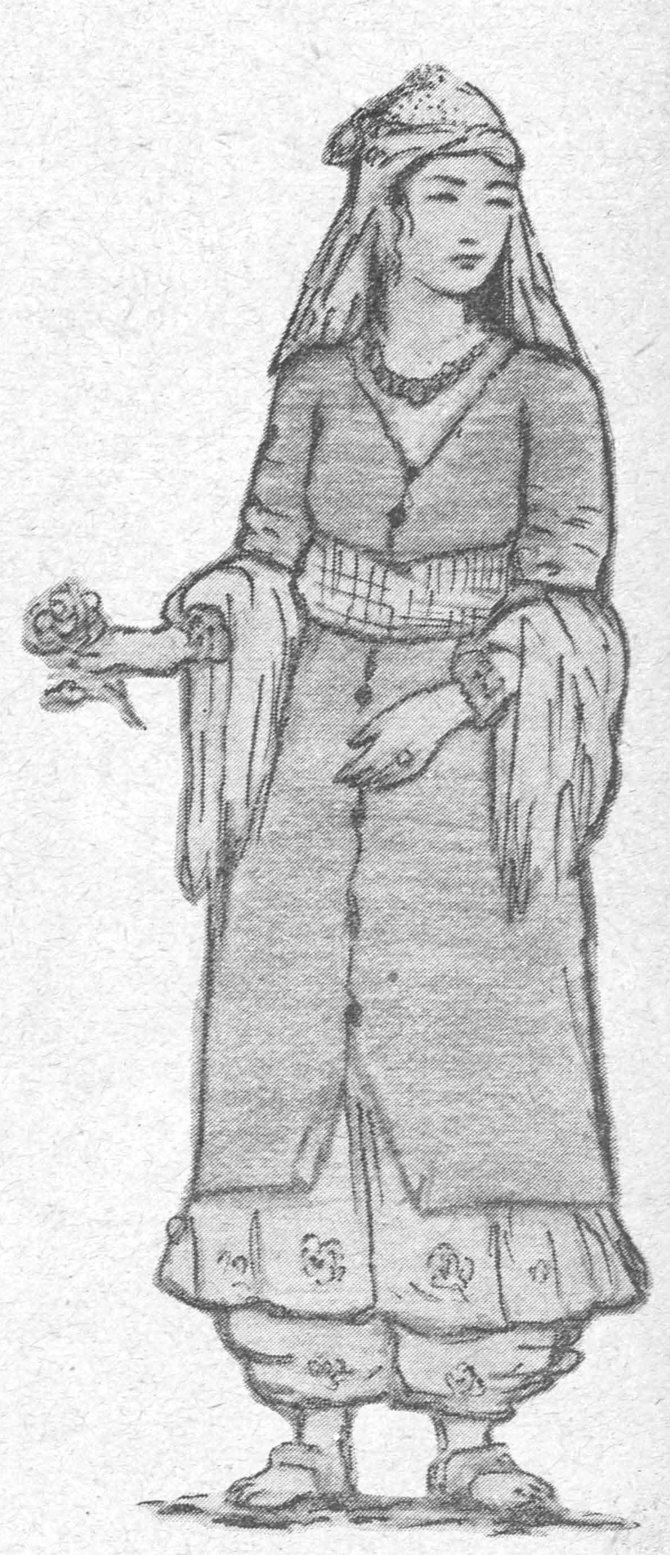
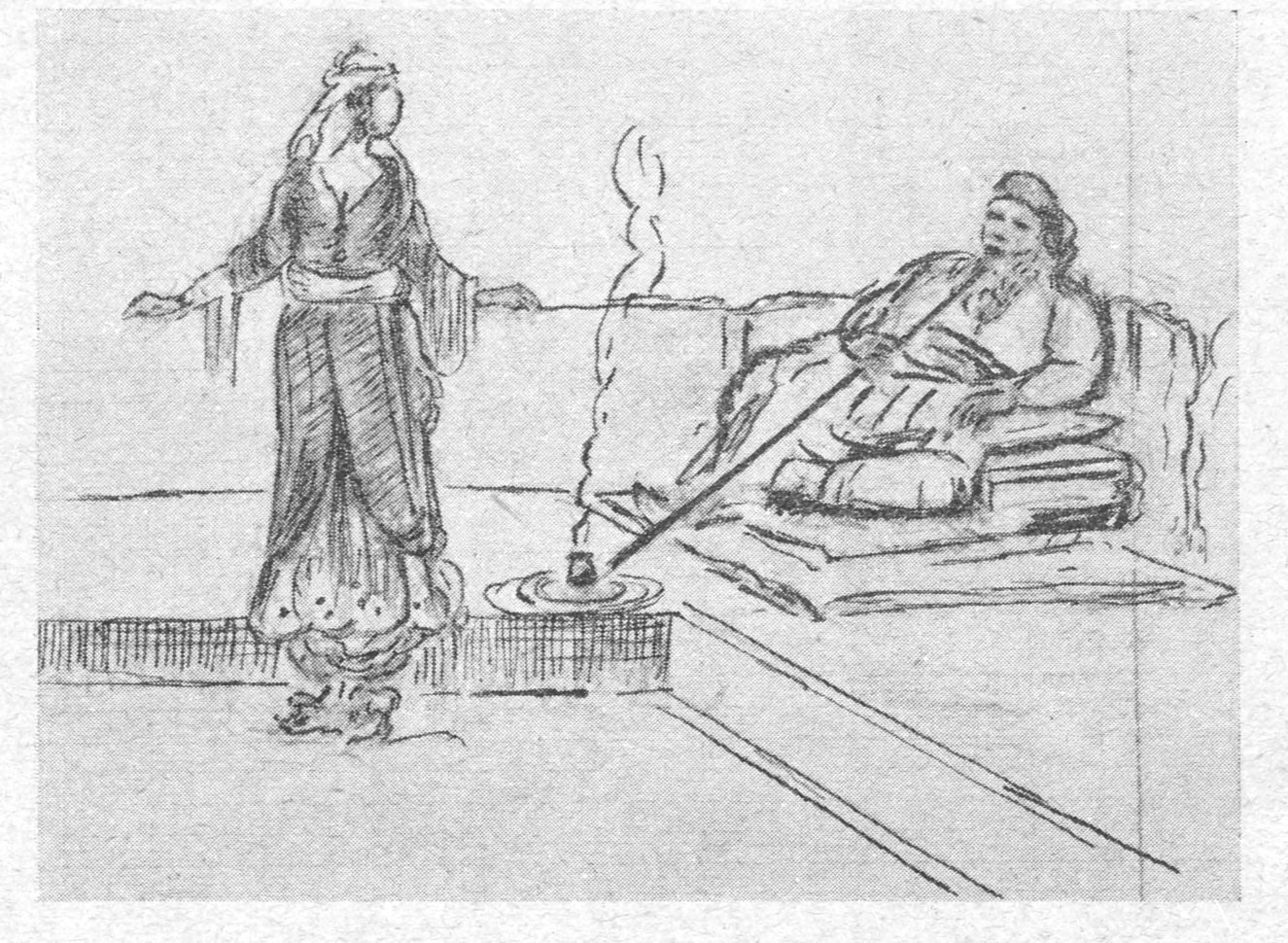
In the folds of our Lebanese history are faces of women whom the keepers of our history have introduced to us in a few short lines; so we know something about them, while many things remain hidden from us.
Among them, for example, are those who bore the title of Emira by inheritance, thereby acquiring fame coldly, without effort. The history of the Maans, the Shihabs, and the Lamas is full of the names of this emira and that — mistresses of palaces and ladies of the court.
Emira Saada is one of them. The curious thing is that her father, Emir Bashir the Great, was given his byname from her — that is, Abu Saada — though some historians hold it more likely that he was known by this title, the emblem of good fortune, before his daughter was born.
The Lebanese pronounced the Emira's name with an 'a' vowel on the first letter — Sa'da — not with the 'u' of Su'da, which is the feminine superlative form.
Emira Saada is the daughter of Emir Bashir the Great's wife, Husn Jahan, whom he married after the death of his first Emira, Shams the Shihabite, whom he loved with a great love and to whom he remained devoted and faithful until she departed this world, after a chronic illness that kept her long bedridden, in the year one thousand eight hundred and twenty-nine.
The Emir at that time was nearing sixty-two years of age.
And so, a few years after Emira Shams's death, Emir Bashir wished to marry a second time — he and his eldest son Qasim — and he preferred that their marriages should not be to two Lebanese girls, so as to avoid the troubles that a wife's kin might stir up by meddling in affairs of government.
He therefore sent a trusted messenger to Istanbul to bring him two Circassian girls, of whom Husn Jahan, the mother of Saada, was one; the Emir married her after she had become a Christian.
The historians describe her as a capable and respected lady, who often strove to lighten the taxes and the severity of judgments in those days so full of intrigues and ambitions.
As for her, she lived with her husband the Emir a serene and tranquil life, despite the difference in age between them, and bore