
Music by: Claude Debussy (1862–1918) Rendered into Arabic by: Samir Shikhani
An opera in five acts, adapted from a play by Maurice Maeterlinck First produced in Paris in 1902
The Characters: • Mélisande • Golaud, grandson of King Arkel • Pelléas, Golaud's brother • Geneviève, mother of Golaud and Pelléas • Arkel, King of Allemonde • Yniold, Golaud's son • A physician • Servants, sailors...
Time: the Middle Ages Place: the kingdom of Allemonde
Act One
Scene One: A forest.
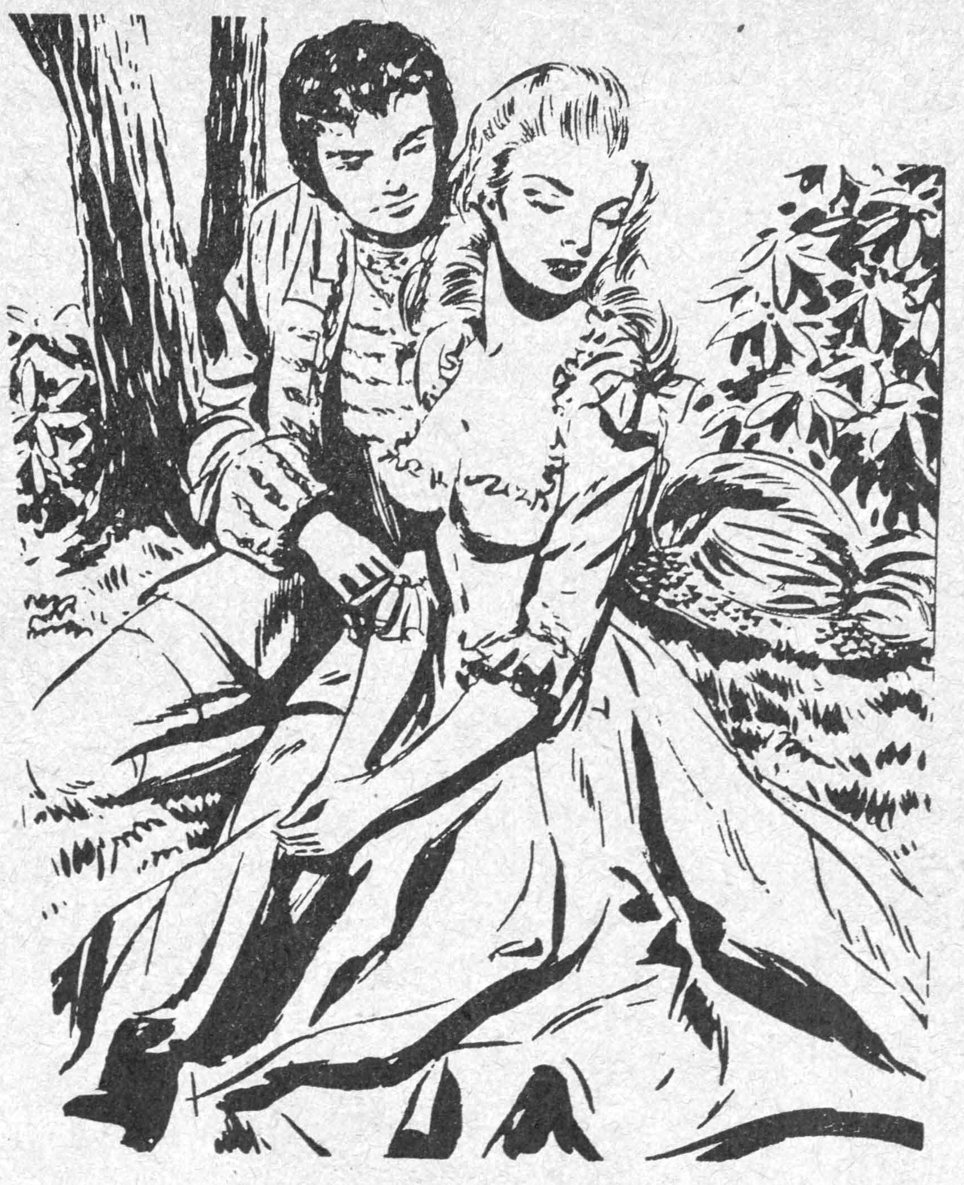
The setting is an old, gloomy castle standing on the seacoast, in an imaginary land. In a legendary forest Golaud, grandson of the aged King Arkel, has strayed far from his home while hunting. In the midst of this forest he comes, near a spring, upon a girl with long blond hair and childlike features. She answers his questions curtly, hesitantly, and in vague phrases; she does not reveal to him her true self, nor tell him where she has come from, but she does mention that her name is Mélisande. Golaud is bewitched by this fairy creature who has appeared to him out of the unknown; he murmurs that he too is lost, and leads her away as the curtain falls.
Scene Two: A hall in the castle.
Six months have passed, and here is Geneviève, Golaud's mother, reading to his grandfather, the aged King Arkel, a letter from him addressed to his brother Pelléas, in which he describes how he met Mélisande in the forest and, though knowing nothing of her past, married her. He believes his family will not welcome him and his strange bride if the two of them come
home; but if they forgive him this deed, he asks his younger brother to set a lamp in the castle tower where he can see it from the deck of his ship. If he sees no lamp in the tower, he will sail far away and never return. The old king cannot help saying that it is not for human beings to meddle in one another's destinies, and he permits Golaud's return home.