Among the severest crises we must pass through in our family life is the illness of our children. And the stage of fever and sickness, with all its danger and fear for the child's life, is not counted hard compared with the stage of convalescence — the period that begins when the fever falls and ends when the child returns to his full former activity and his first natural life. In this stage the child, from the effects of fever and illness, is worn out, drained of strength, weak-nerved, and in need of care and rest. The mother fears her sick child may be exposed to cold or fatigue or upset, so she clings to him like his shadow and stays at his service day and night, hastening to give him whatever he wants the moment he utters the request, and forgetting the rules she laid down for him before the illness; so he breaks them all and grows artful at making use of his mother and lording it over her, imposing his word by force, like one who commands and forbids... For this reason we see most of our mothers dreading this stage — the stage of convalescence — and fearing its consequences, since it makes of their obedient child another child: ill-tempered, disobedient, stubborn, quick to weep and to take offense.
Now let us suppose,

Madam, that your child has just come out of the "measles" and is obliged to face a few days of rest and quiet; how can you make this period a pleasant time for him without its costing you a heavy price and great pains??
The first thing that must be learned from the doctor is the kind of movement your child can perform without hurt or harm, for many — during the illness — of vitality and activity.
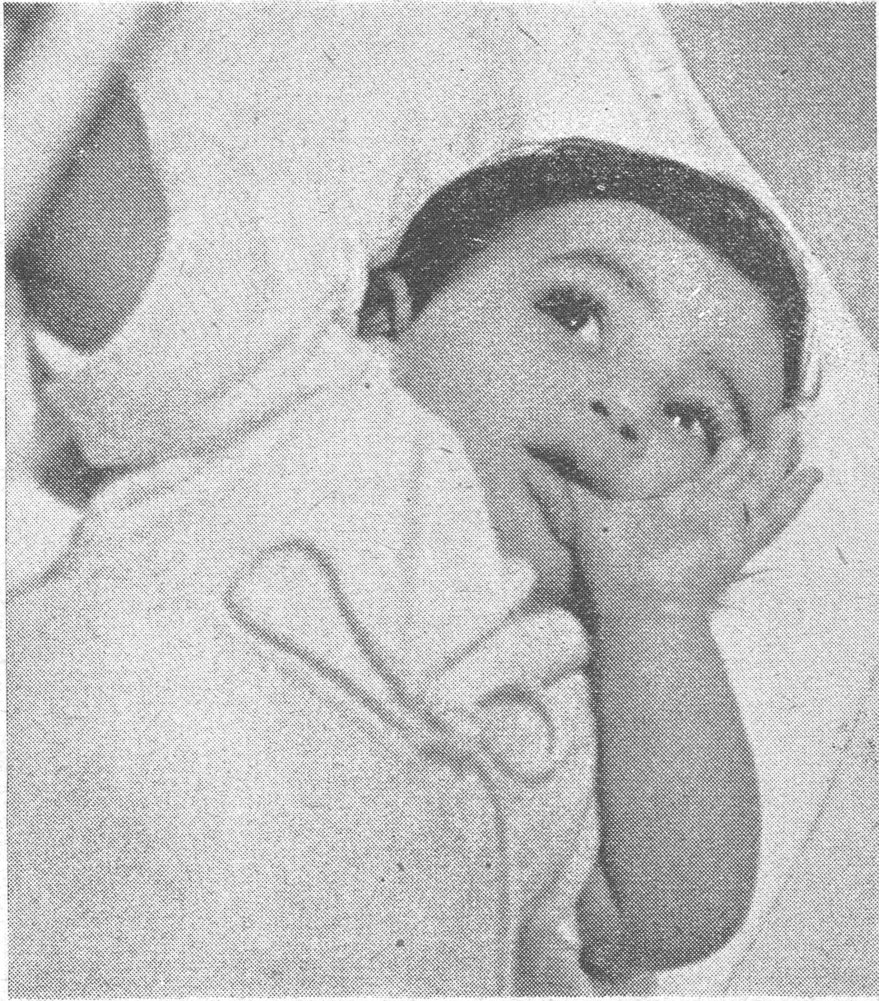
Mothers are stricter with their sick children than need be, and so turn their pretty beds into prisons that provoke their nervousness and frenzy and lead them to form bad habits.
The wise mother can make this negative period a small positive time, which the child passes happy, calm, and content.
Here music plays its great part, for children of all ages take
comfort in soft melodies, restful to the nerves, that carry them off to the world of slumber. Nothing is more beneficial to the child at this stage than natural sleep, which brings him nearer to health and gradually restores to him the vitality and activity he lost during his illness.
The games that can be called upon differ according to the child's age. But it has been observed that cutting out colored pictures, collecting them, and pasting them into a big scrapbook is among the best-loved and most amusing of pastimes; so hunt out, Madam, your old magazines and give them to him one by one, and you will see the measure of delight and joy in his eyes!
And beware of heaping his toys in his bed, one on top of another, for he will soon tire of them and boredom will show upon him. Put out a few of them at first, and whenever your child wearies of them replace them with others; then you will see his pleasure renewed, and he will pass long hours without crying or storming...
Finally, it is a charming idea to read him a story from his book and join him in recounting its happenings; and let this story serve as an interlude between the music and the games... And remember always that variety wards off boredom and keeps the child in constant enjoyment, in a serene atmosphere far from storm and disturbance.
The young men were crowding to enlist in defense of the homeland, when a boy came out of the hall raging and clamoring; he met his teacher and cried out, tears choking him: "For ten years I have been waiting for this moment, and here they are claiming I am still too young!!"