shop — famed for the abundance of friends she had among the upper class — seemed to wish to add him to the roll of her friends; so she stole his face with a camera, enlarged that stolen face, and set it in a frame in the hall of her lofty palace, seated like a mountain on the sword-edge of the sea. And she resolved to hunt him down whatever it might cost her.
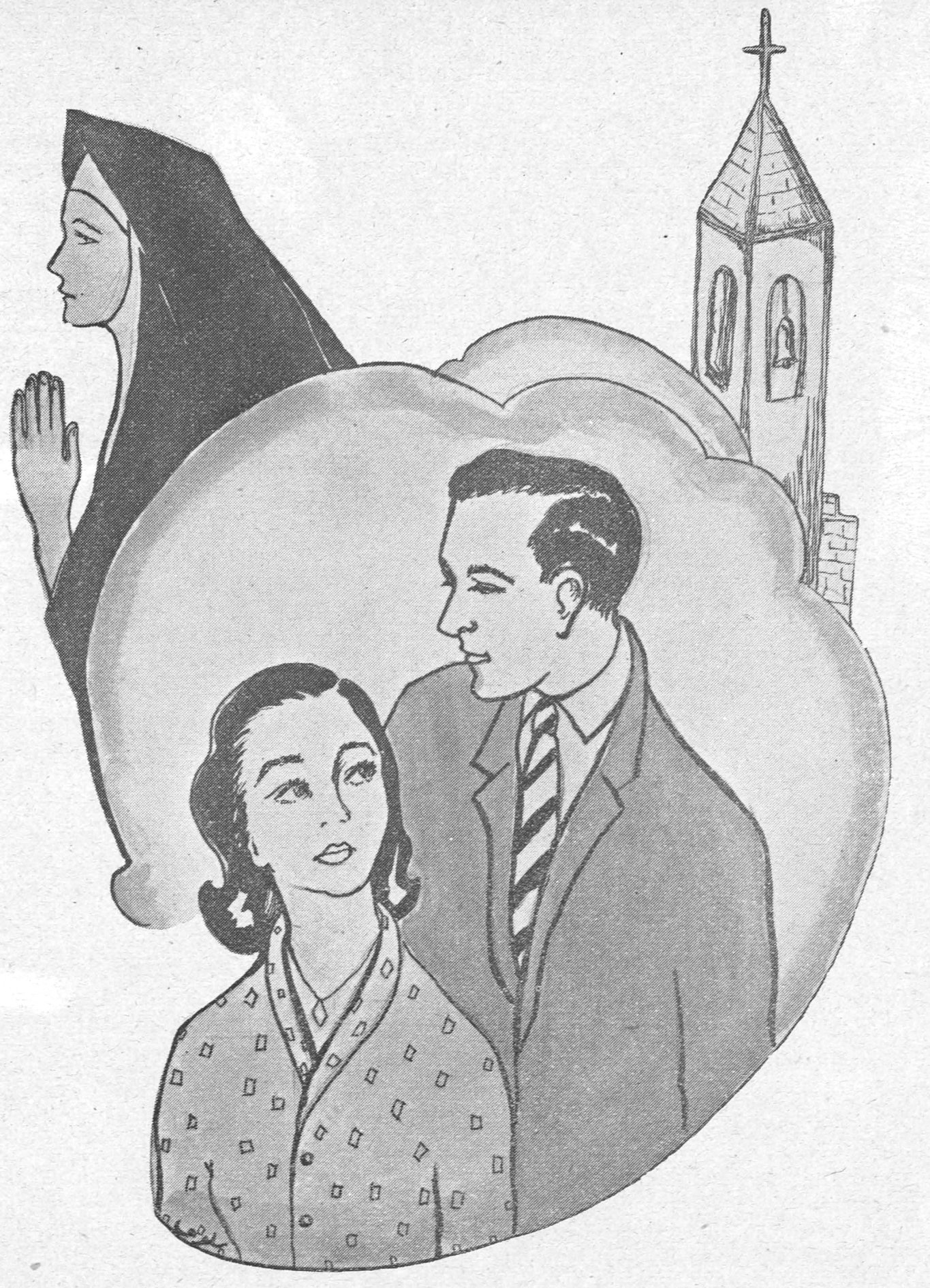
Najwa fell ill. For several days she failed to come to the workshop, and the poet's feet did not tread a single tread before the door. So the devilish girl said to Sitt Nour: Did I not tell you, madam, that he loves her? And Nour laughed, saying: No — it is that she is ill. She is a nun. And a nun neither loves nor is loved. "But then, why have his steps ceased before the workshop? Might not the bantering words hold their share of truth? Might not a nun love, and be loved?" Yet Sitt Nour — saying this word in her secret heart — had never before that hour conceived that the being who deserved, in her eyes, to be hers, could belong to one of the working girls of her shop, so contemptible in her eye. And she felt pity for her workshop girl, since a young man of the modern, cultivated youth keeps company with a girl of the common people only to pass the time.
Riyad, the attractive poet, had placed his collection of poems on the printing press, scrimping to bring it out with a few counted coins that were no surplus over his daily necessities. But a weighty matter kept him from spending upon it — and the press needed the money to settle the workmen's wages.
Could Najwa's illness be that weighty matter?
And Najwa wished to sacrifice
her happiness for the sake of one who was sacrificing his slender fortune for her recovery. So she said to him, when he visited her one day:
I possess nothing but a counsel; I fancy that with it I can repay you for your devotion and your kindness.
— What I do for you, Najwa, I do for myself. And does a man ask a reward for what he does for himself? But speak — I love that you should speak, that I may hear you speaking.
— For the sake of your collection standing at the press, I will point you to one who will undertake its completion.
— Point the way, my friend — but do not point me to one of those men who wait for me to say a word in their praise, that they may pay its price. I will not immortalize matter with thought, nor feed thought a crust at matter's table. Do not point me there, if it is one of those you mean!
— I point you to a woman, not to a man.
— Point me then, my friend — if you wish to be rid of me — to some girl of the dowried sort; you shall see me fleeing from them to you. To this