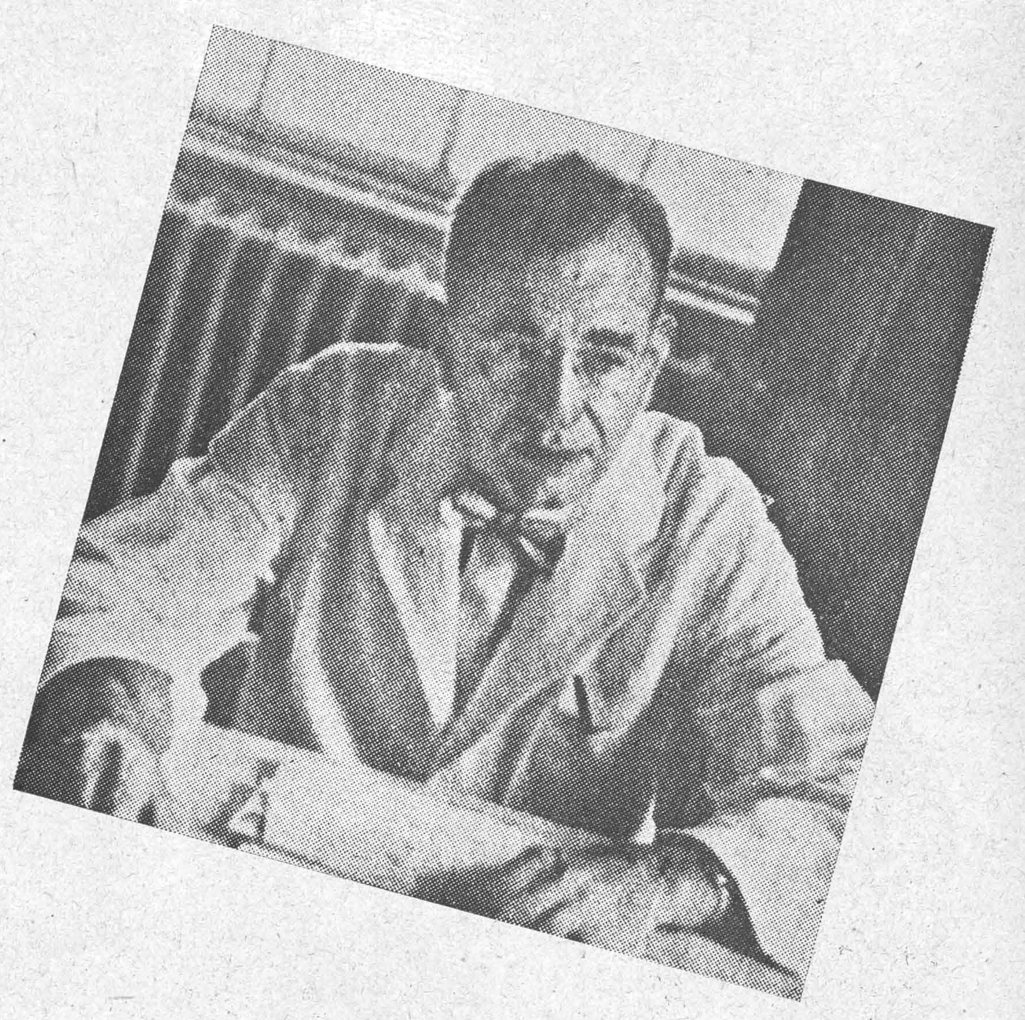
A specialist physician: Dr. Mastern answers mothers' questions on this subject
Q — Several cases of rheumatic fever have occurred in our neighborhood, among the victims a boy of three and a man of twenty. What are the symptoms of this disease?
A — The first symptoms of this disease are pain in the throat, high fever, and aching in the joints, often accompanied by a skin rash and pain in the bowels; sometimes among the first signs of this disease is nosebleed. The cause of the disease is the entry of the streptococcus microbe into the body by way of the mouth and throat, and some persons are more susceptible to it than others. This microbe roams in the blood and injures the heart, leaving it weak for life.
Q — What precautions must I take to protect my children from rheumatic fever??
A — To protect your children against this microbe, you must call the doctor as quickly as possible whenever they feel a sharp pain in the throat with high fever. If the doctor finds that the rheumatic-fever microbe is the cause of the fever, he will of course prescribe penicillin and sulfa, for this treatment is very beneficial if taken regularly.
Q — Is rheumatic fever a dangerous disease? Most of us fear infantile paralysis more than it.
A — Rheumatic fever is in truth among the most dangerous diseases of childhood. Our grandfathers called it inflammation of the joints, and it carried off most of its child victims. Even in our own day, this disease kills far more children between the ages of
five and nineteen than tuberculosis, infantile paralysis, and chest colds. About a million persons in the United States are stricken with this disease every year.
Q — May I give my child penicillin and sulfa when he has a heavy cold??
A — No. Only when the cause of the cold is the entry of the streptococcus microbe, and on the order of the doctor who has diagnosed the illness and prescribed the treatment.
Q — My child was stricken with rheumatic fever several years ago and recovered completely two years ago. Is that not time enough to put him safely beyond this disease??
A — No, he is not yet safe from this disease. Let the doctor see him and decide whether he had rheumatic fever or not. If his answer is yes, then your child must remain under medical attention and his heart must be examined; and even if the heart has escaped harm, it is better to keep up the examinations regularly. Most important of all is taking penicillin and sulfa always, to prevent the return of the deadly disease.
Q — For how long must penicillin and sulfa be taken??
A — For life — or until medicine has found a better way. This sentence will seem to you harsh and cruel, but remember that a heart ruined by the effects of this disease is far worse. The continuous taking of penicillin and sulfa is as necessary for rheumatic patients as insulin is for those suffering from diabetes.
Q — Some say that penicillin has bad effects, among them skin rash. Is this true, and is there any danger in it??
A — No. Penicillin holds no danger for the body if it is given under the supervision of a doctor who knows how to regulate the doses and who watches for the first signs of sensitivity. The bad results of penicillin rarely occur, except sometimes when it is taken by