— Our role as parents and educators is guidance and direction. — The essence of education is the provision of our children's physical, mental, and psychological needs, and the answering of their natural demands, which are their right in life.
Every child born into this existence brings with him, to his parents and to his society, a surprise — nay, many surprises. What physical, mental, and psychological
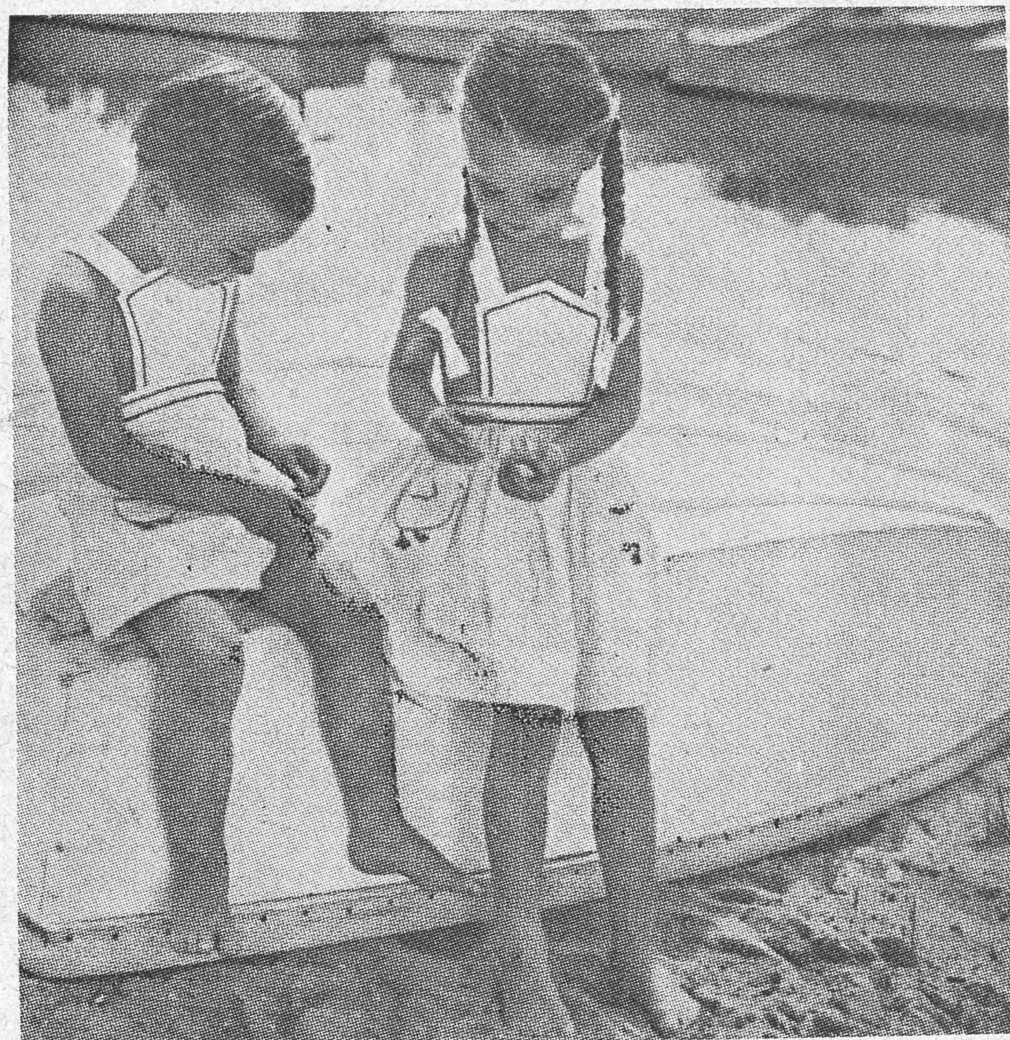
Let us keep company with children of our own age!
potentialities does this child or that carry within him? What are the gifts and aptitudes latent in him, and what are the qualities and traits that will together make up his personality? These are questions stirred up by hope and sharpened by anxiety, while the answers to them remain plans and models that we draw in our imaginations, fixing the ways of carrying them out. How many castles have we built, and how many hopes have been torn down, for no reason but that we do not know — or sometimes refuse to know — that our children's lives are not subject to our
will, our dreams, and our wishes, but to their own will, their own needs, and their own wishes; that our duty as educators is to guide, to direct, and to provide the opportunities for growth, letting each one grow according to his aptitudes, his capacities, and his inclinations; and that our aims may differ from their aims, our demands from their demands, and our gifts from their gifts, so that we cannot realize through them what we could not realize ourselves, nor bring them to the ideal we ourselves failed to attain. Rather we must leave them room to realize themselves according to their gifts, their hopes, the needs of their society, and the requirements of life in their own age.
Often we err in defining our role as parents or as educators, imagining that we must work miracles if we are to have done the role justice and performed our duty toward our children; so we lay down rules and laws drawn from fanciful educational theories, wearying ourselves and vexing our children in the attempt to apply them, and producing results that are often far indeed from the results intended. Yet if we looked closely into the principles of education and its psychological and social foundations, we should find that education is a simple process, easy to apply once we have understood its purport and its aims. In its essence it is a provision of our children's physical, mental, and psychological needs, and an answer to their natural demands, which are their right in this life. And if we wish to define these needs and demands, relying upon modern scientific studies, we can imagine our children addressing to us something very like this appeal:
Love us with a deep and all-embracing love, and watch over the soundness of our bodies, our minds, and our souls; but beware lest you make of this love and this constant vigilance a barrier to our living the life of work, activity, movement, and trial. Surround us with tenderness and affection; grieve at our griefs and rejoice at our joys; and secure for us the calm, merry atmosphere that brings happiness and peace to our hearts. Accept us as our creating Father gave us to you, with what is in us of beauty and perfection and what is in us of shortcomings; and do not require of us that we be what we cannot be, or do what we cannot do.
Answer our questions with honest, true answers, however many and however varied those questions may be. Answer us with respect for us, for our thinking, for our curiosity, and for our longing after knowledge.
Allow us to keep company with children of our own age and to invite them to our home, to romp and make