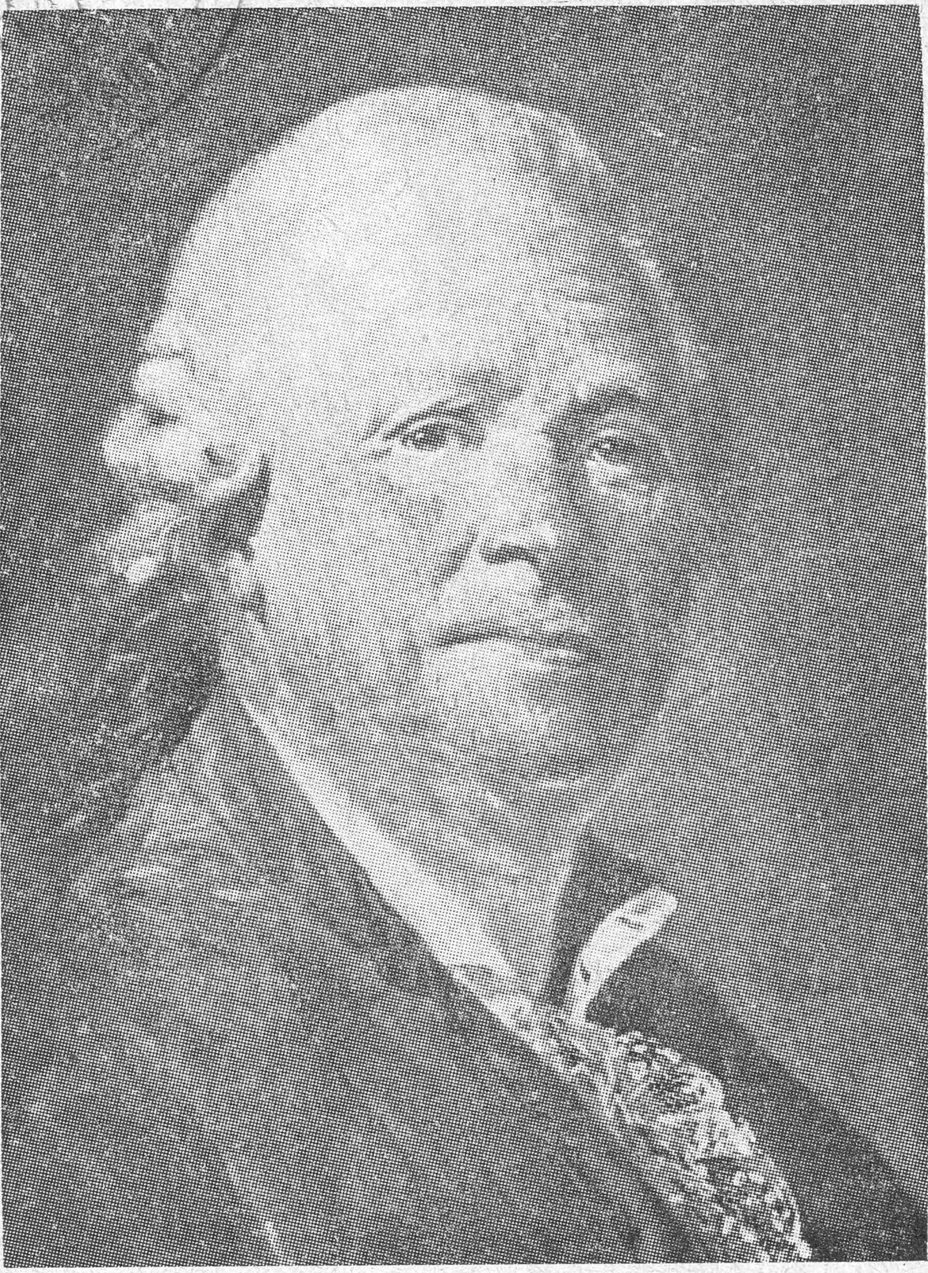
Willibald von Gluck, the father of modern opera
With the dawn of the Renaissance, rising European thought turned toward the ancient classical cultures, especially the Greek among them, and borrowed from it the general fundamental principles on which thought as a whole, and art in particular, must rest. Among these principles is the one which holds that art must imitate nature and portray it with truth and fidelity. For this reason we have seen the writers and poets of the later Renaissance cast to the winds all the restrictions placed upon free expression, which portrays the human soul and nature in the most beautiful, the most exact, and the most truthful way. This tendency was general in all intellectual and artistic activities, especially the musical; and so opera came, the child of this arduous labor, and made of music a more expressive art, just as it was in itself a new conquest.
Its origins: The first thing the musicians did along this path was to take the Greek stories and myths and produce them in a new mold, on the model of the way drama was performed to the accompaniment of the chorus in the classical Greek age. This nascent movement was supported by a group of Italian musicians in Florence, who gathered into a single circle known as the "Camerata." Among what this group produced were Dante's "Divine Comedy" and the play "Dafne," which was performed before the public in the year 1600.
These musicians believed that they were merely imitating and seeking to bring back the bygone Greek drama, but in fact they were creating a new musical art standing on its own, which made direct personal expression on the stage possible; and the accompanying music was itself a reflection of the thoughts and emotions which the words expressed. This was the new art — the liberated opera — and this liberating movement was accompanied by a religious movement which led to the appearance of the religious oratorio, which came to maturity at the hands of Bach and Handel.
Opera is the heiress of several musical forms, gathered into one crucible and melted down, then poured into this attractive new shape. It inherited the songs sung at carnivals; it inherited the masked
festivities and the singing of choirs; it inherited the rustic dances which represent a particular idea in their performance. What made opera stand apart from the other forms was its appearance with certain characteristics: the dialogue presents broad situations and scenes, with delightful settings restful to the eye and acting that seizes the spectator's attention; as for the ending, it was happy in most cases. And music was used to confirm the meaning or to strengthen the expression.
The first composer to write the music of a great opera was Monteverdi, who worked to make the music more realistic and more emotional — unlike the composers who came after him, for they softened the effect of this realism and worked to make the music more evenly balanced, thus opening the way for the singer to display the power of her voice and her technique in singing, instead of the emphasis falling upon loftiness of thought and feeling.
Opera in the Eighteenth Century
The works of Scarlatti (1659–1725) gathered together the styles and methods used by those who