Never, at any time, did it occur to Bach or his contemporaries that music without words could carry out its message in full and possess a personality of its own with clear features. For this reason the composers of the eighteenth century kept wavering in their idea of the musical forms or molds — such as the symphony, the sonata, the quartet, etc. — into which the new music was to be poured. At first they imitated the musical overture of the opera; then they found by experiment that it was better for musical pieces to begin with a fast-moving opening, followed by a slow, tender movement, and then to close with a stirring and surprising finale. And so the new revolutionary movement began — classical music.
But what do we mean by the word "classical" with regard to music? In its narrow sense we mean the music composed in the period lying between 1790 and 1820, comprising in the aggregate most of what Haydn and Beethoven composed, and all of what Mozart composed. In its general sense, we mean by it serious music of far-reaching effect which, in point of value, has passed the test of time with success. When we use the word "classical" in this article, we are pointing to the period during which the mind attempted to surpass the principles of beauty, balance, clarity, and perfection in Greek art. The center of this new movement was the city of Vienna, which offered a fitting atmosphere, ample beauty, sufficient encouragement, and abundant livelihood to musicians, so that they flocked to it from every quarter, each in search of knowledge, fame, wealth, and glory.
The great figures of this period.
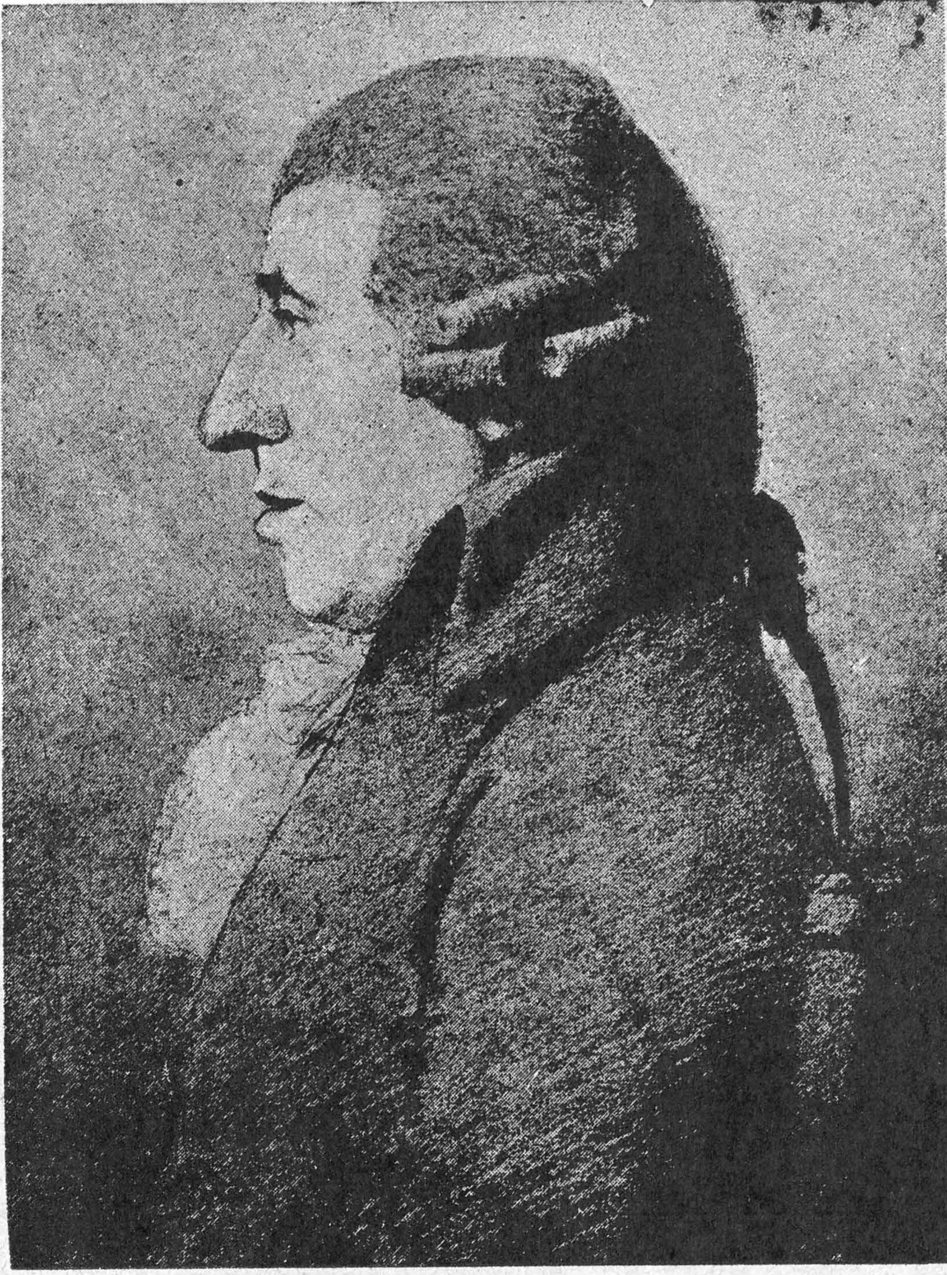
1. Haydn (1732–1809). He was born in Austria, in a village near Vienna. He took the rudiments of playing and singing from his father. At eight he went to Vienna to continue his studies, and showed ability and genius at that early age. It happened at one of the festivals that the drummer failed to appear, so his teacher asked him (Haydn) to take the place of the regular drummer, after explaining to him the way of beating the drum. You can imagine what
a comical sight it was when the boy Haydn appeared, walking behind the enormous drum — which a man carried on his back — beating it with all enthusiasm and regularity.
Haydn then worked in one of the choirs, from which he was soon expelled because he pulled the wig of an elderly singer who sat in front of him. Afterward he joined another choir, which he soon left because some defect had come over his voice; so he gave up his work and went to live with one of his friends, after every road to a livelihood had been shut in his face. One night, while he was walking with his companions as they played a piece composed by Haydn himself, one of the writers of opera scenarios heard the playing and admired the melody. He asked who had written the tune, and was told: Haydn. He inquired who this Haydn might be, whereupon a slender young man answered him: "I am he, sir." On the spot the writer asked him to sign a contract to compose the music for an opera. Haydn was in those days seventeen years old. In 1755 a lover of music, Baron von Fürnberg, invited him to compose for him, placing